Musk’s xAI Rebrands to SpaceXAI, Completing SpaceX Merger
Elon Musk’s xAI has rebranded to SpaceXAI, folding its Grok chatbot and X into SpaceX and signaling that AI, not rockets, is now central to the space company’s strategy.
AI benchmarks provide repeatable ways to evaluate how models perform on tasks such as reasoning, coding, image recognition, factual recall, instruction following, or safety. A benchmark usually combines a dataset, scoring method, and evaluation protocol so results can be compared across systems or model versions. Scores are useful, but they do not automatically represent real-world quality: training-data contamination, narrow test formats, weak baselines, and optimized test-taking can distort conclusions. Strong evaluation therefore uses several benchmarks alongside human review, domain-specific testing, cost and latency measurements, and analysis of failure cases rather than treating a single leaderboard number as a complete measure of intelligence.
Elon Musk’s xAI has rebranded to SpaceXAI, folding its Grok chatbot and X into SpaceX and signaling that AI, not rockets, is now central to the space company’s strategy.
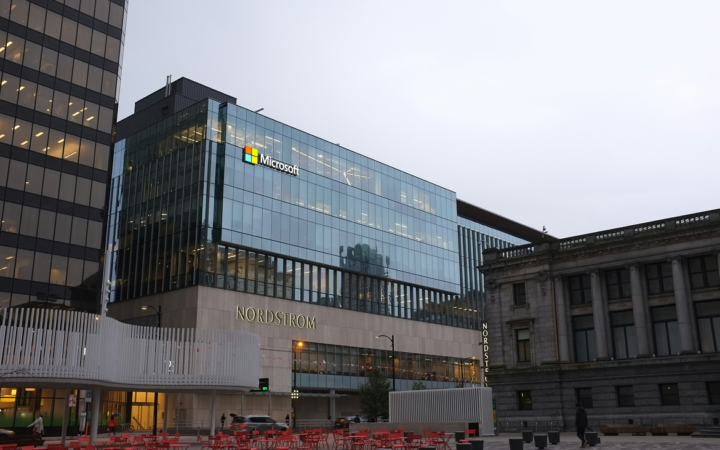
Microsoft cut about 4,800 jobs, roughly 2.1% of its workforce, hitting Xbox and commercial sales hardest, the latest tech layoffs to intensify fears about AI and work.
Nvidia’s Kyber rack for its 2027 Rubin Ultra chips has slipped more than a year to 2028 over a hard-to-manufacture circuit board, SemiAnalysis says, with no proven fallback.
Meta quietly released Pocket, an app that lets people build small interactive games from text prompts and share them in a TikTok-style feed, built on its Gizmo acquisition.
Big Tech’s AI capital spending is projected to reach about 3.2% of US GDP by 2027, overtaking national defense spending as a share of the economy for the first time.
Anthropic published the cybersecurity rules behind its redeployed Claude Fable 5 model and proposed an industry framework for scoring how dangerous an AI jailbreak is.
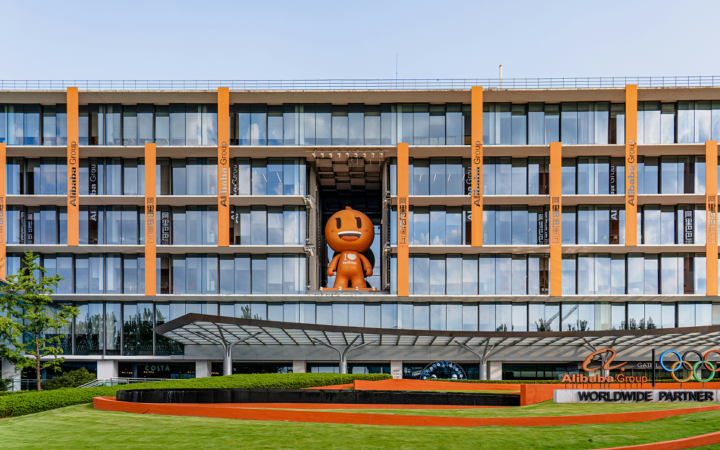
Alibaba will bar employees from using Anthropic’s Claude Code from July 10 over alleged security risks, after developers found code that detects China-linked users.
Mark Zuckerberg told employees that Meta’s AI agents have progressed slower than expected and its restructuring was “not as clean” as planned, a rare admission amid huge AI spending.
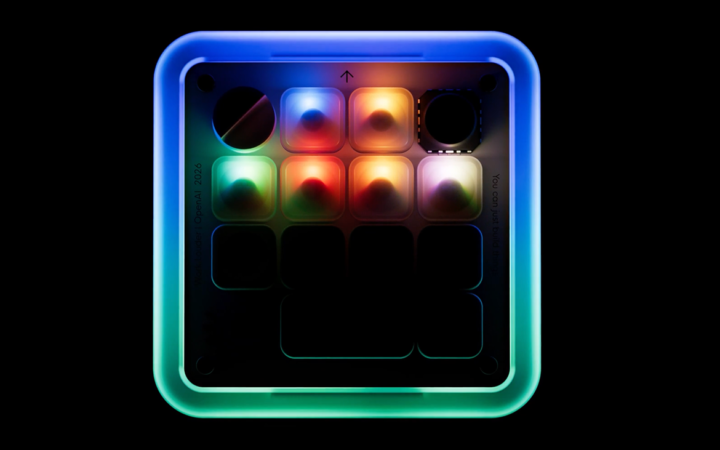
OpenAI teased its first branded hardware, Codex Micro, a programmable macro pad built with Work Louder to give developers physical shortcuts for its Codex coding agent, launching July 15.
Microsoft is investing $2.5 billion in Frontier, a new unit that will embed 6,000 engineers with customers to help them adopt AI, joining a wider industry race into hands-on deployment.