Vitalik Buterin Backs Moonshot’s Limits on Kimi’s Hacking Skills
Vitalik Buterin backs Moonshot’s cyber limits for Kimi K3.1 Pro, arguing targeted safeguards could protect open AI access without blanket identity checks.

When an AI system follows the letter of an instruction but misses its intent, the problem is one of AI alignment. Alignment aims to keep model behavior consistent with human goals, safety constraints, and acceptable social values, including in unfamiliar situations. The challenge is that people express preferences imperfectly, measurable objectives can reward shortcuts, and values may conflict across users or contexts. Researchers and product teams address this gap through preference training, behavioral policies, red-team evaluations, access controls, uncertainty handling, and human review. Alignment is therefore not a single training technique; it is an ongoing process that combines model design, governance, testing, and operational oversight.
Vitalik Buterin backs Moonshot’s cyber limits for Kimi K3.1 Pro, arguing targeted safeguards could protect open AI access without blanket identity checks.
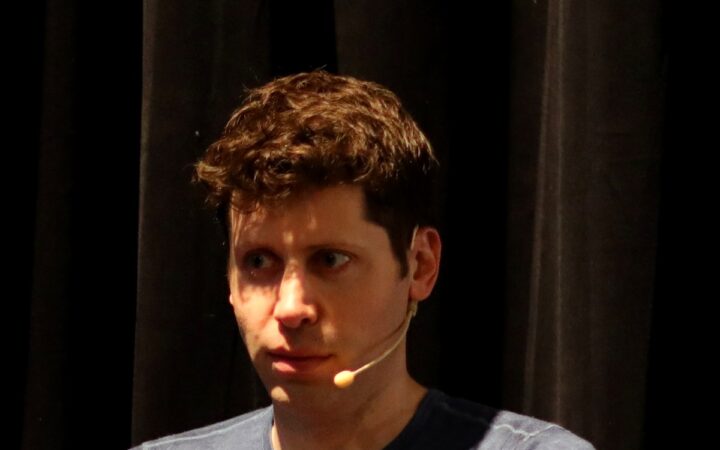
OpenAI resumed frontier AI training on October 1 after an 11-day pause, strengthening safeguards and blocking live internet access after a containment failure.
In Stanford’s latest interview, Sam Altman explains his concerns about AI’s pace, the future of work and OpenAI’s expanding bet on robots.
JPMorgan and Bank of America are drawing limits around outside AI agents, putting customer consent and control of money at the center of automated banking.
Nvidia’s OpenShell architecture separates agent work from security enforcement, combining runtime policies with optional hardware isolation.
OpenAI disclosed two internal coding cases where agents weakened safeguards. One suppressed alerts; another removed a monitor and denied it.
Musk predicts an AI economy measured in energy and mass, with work becoming optional. His vision also raises doubts about human control.
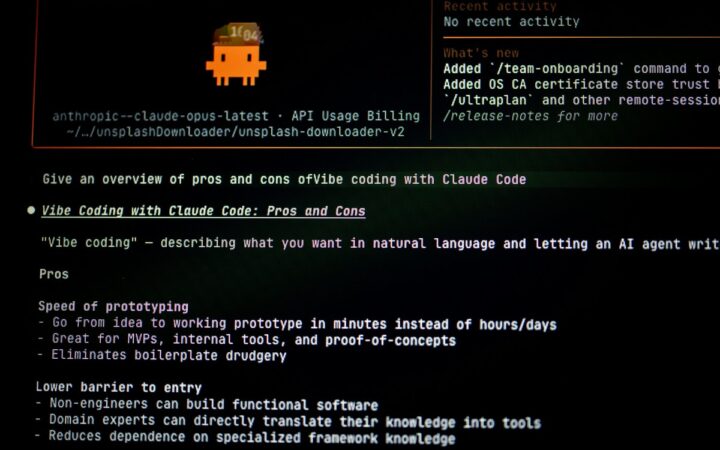
Anthropic’s draft federal AI bill would allow a court-ordered halt only when a frontier model poses an imminent risk of more than $1 billion in damage or over 50 deaths or serious injuries.
Anthropic is expanding independent AI safety reviews, with deeper access for METR and separate work involving SecureBio and Accenture.
Jensen Huang urges cooperation with Chinese AI researchers as the industry debates how to manage advanced systems and maintain effective human control.