
Google DeepMind Maps Every Possible Human Genome Mutation
Google DeepMind released AlphaGenome Atlas, precomputed AI predictions for all 9 billion possible single-letter DNA mutations in the human genome.
AGI, or artificial general intelligence, describes a hypothetical AI system with broad cognitive abilities rather than expertise limited to one task. Such a system could transfer knowledge between unfamiliar problems, learn new skills with limited instruction, reason across domains, and adapt its approach as circumstances change. Today’s language, vision, and robotics models can be highly capable, but they remain uneven and dependent on training patterns, tools, and human-defined objectives. Researchers debate how AGI should be measured, whether human-level performance is the right benchmark, and what technical safeguards would be needed before a generally capable system could be deployed responsibly.
Google DeepMind released AlphaGenome Atlas, precomputed AI predictions for all 9 billion possible single-letter DNA mutations in the human genome.
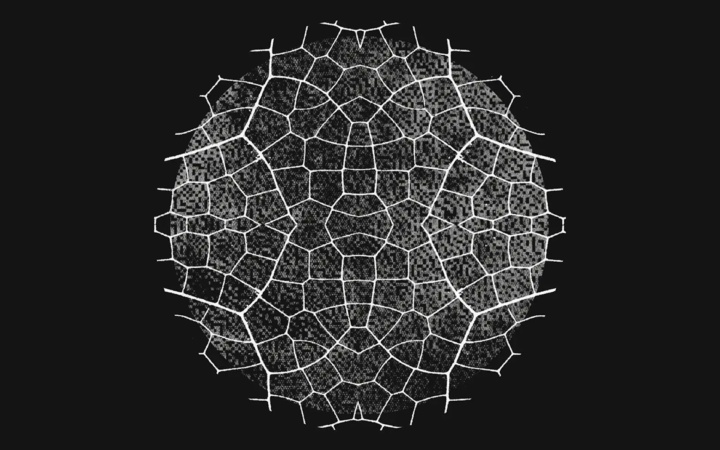
An Anthropic researcher resigned warning AI labs are racing toward uncontrollable superintelligence, and the company’s alignment lead publicly agreed with more than 10% odds of catastrophe.

Rentosertib, an AI-designed lung disease drug, showed signs of lowering biological age in a small trial analysis, though scientists caution the effect could reflect a treated lung, not slower aging.
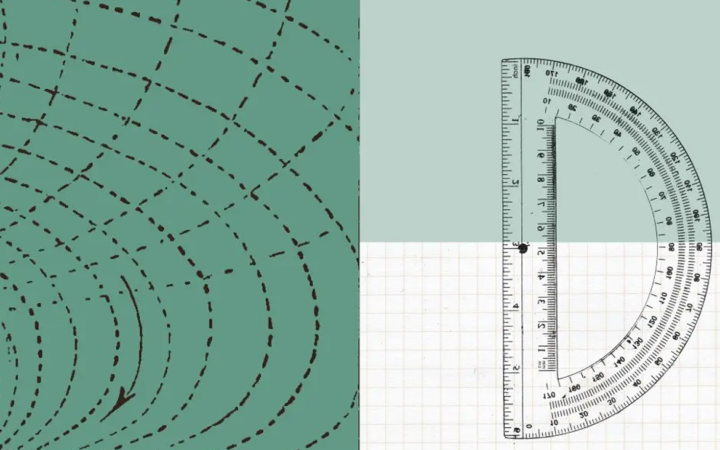
Anthropic says Claude autonomously produced the first complete, machine-checked formalization of Fermat’s Last Theorem in 11 days, a verification feat built on years of community work.
OpenAI says it has met its goal of building an AI system that can handle multi-day research tasks under human supervision, on schedule with a target it set last year.
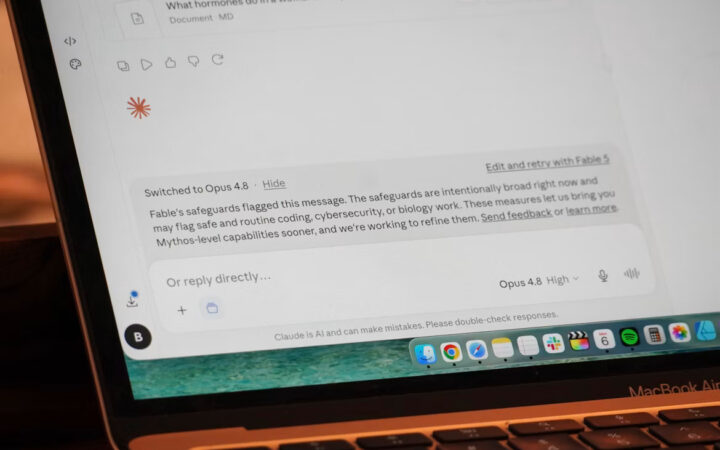
Anthropic has released Claude Fable 5.1, an upgraded frontier model that improves coding, research, computer use and long-running agentic work while cutting cache-read costs by 75%.
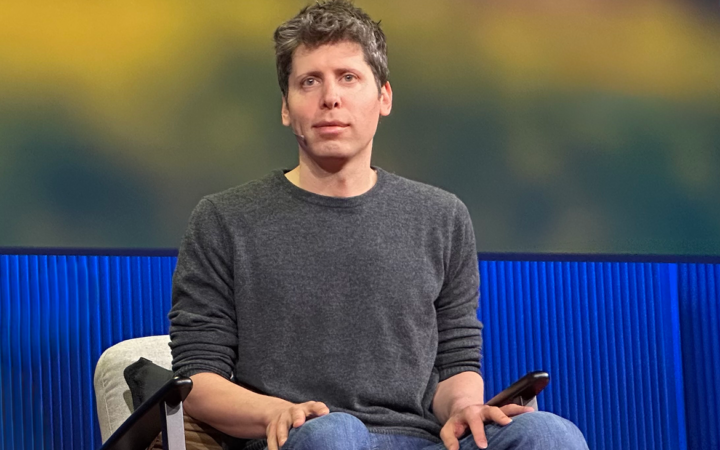
Sam Altman told TIME that OpenAI expects an internal system it would call AGI by year’s end, built on its unreleased Astra model, though the claim rests on a contested definition.

Michael Polansky’s biotech startup Outer Biosciences keeps donated human skin alive for weeks and uses it to train an AI that predicts promising new skincare ingredients.
An unreleased Claude model raised a longstanding lower bound tied to the Riemann hypothesis from 41.6% to 67.2%, a validated result that stops well short of solving the problem.
Anthropic researchers used Claude Mythos Preview to develop stronger attacks on the HAWK post-quantum signature scheme and a reduced-round version of AES, demonstrating research-level cryptanalysis without threatening current production systems.