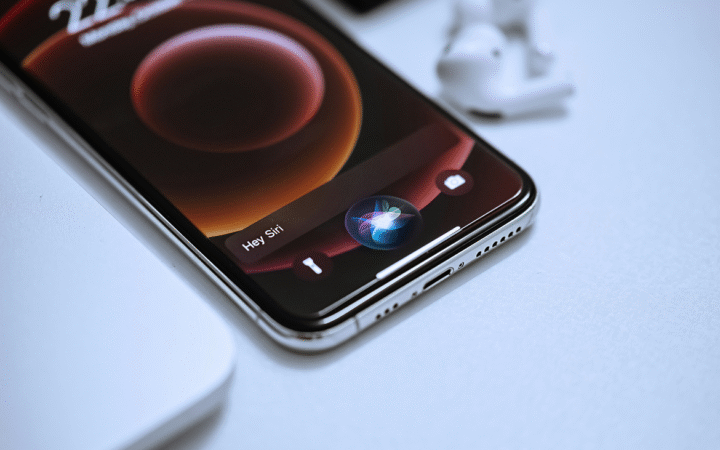
Apple’s Gemini-Powered Siri Reportedly Arrives in February
Apple plans to debut a Gemini-based Siri in February, offering more natural conversations, complex tasks, and integration across iOS, iPadOS, and macOS.
You are viewing the comprehensive archive for articles tagged with "generative ai." Our editorial team delivers timely artificial intelligence coverage, practical insights, and industry-focused analysis across the topics shaping how AI is built, funded, regulated, and adopted. This section brings together the most relevant news, research, and expert commentary to help you understand trends and make better technology decisions. Stay informed with AIstify to keep your perspective current and complete.
Apple plans to debut a Gemini-based Siri in February, offering more natural conversations, complex tasks, and integration across iOS, iPadOS, and macOS.
Language learning app Praktika is using OpenAI models to power a multi-agent tutoring system designed to improve real-world speaking fluency through adaptive, conversational lessons.
Apple is reportedly working on a pin-shaped AI wearable with cameras and microphones, potentially launching in 2027, signaling increased competition in the AI hardware space.
Apple is preparing a major overhaul of Siri that would turn the assistant into a chatbot-style interface integrated into iOS 27, reflecting growing competitive pressure in generative AI.
Barclays Research says humanoid robots are moving from experimental labs into real-world deployment as advances in AI and hardware reduce costs. The firm estimates the market could expand sharply over the next decade amid labor shortages.
Wikipedia marked its 25th anniversary by announcing new Wikimedia Enterprise partnerships with major AI and technology companies. The collaborations aim to support responsible use of human-curated knowledge at scale.
U.S. senators are demanding detailed explanations from major tech platforms on how they prevent and monetize AI-generated sexual deepfakes. The inquiry follows renewed scrutiny of generative AI tools and their safeguards.
Microsoft outlined a community-first strategy for expanding AI data centers, promising to cover electricity costs and reduce local environmental impact. The move comes amid rising public opposition to large-scale AI infrastructure projects.
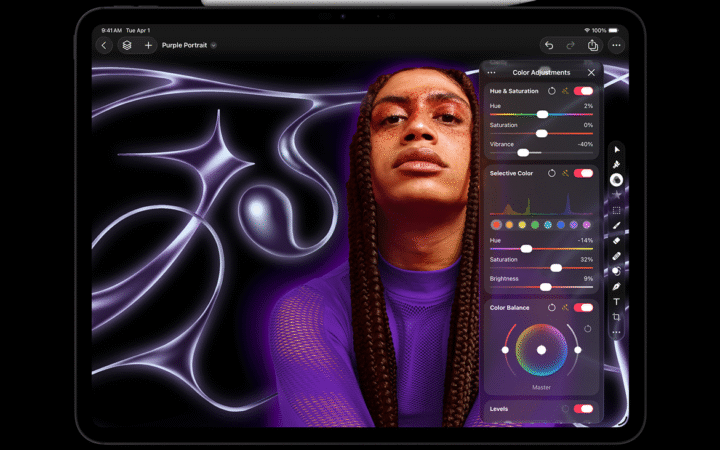
Apple introduced Apple Creator Studio, a subscription bundle combining professional creative apps with new AI-driven features across video, music, imaging, and productivity tools. The offering expands Apple’s push into intelligent software workflows for creators.
Meta has introduced a new top-level initiative, Meta Compute, to expand its AI infrastructure and energy capacity at large scale. The effort signals a long-term push to support advanced AI development and global data center growth.
Apple will rely on Google’s Gemini models and cloud infrastructure to power future artificial intelligence features, including Siri. The multi-year partnership supports Apple’s next generation of foundation models.
Elon Musk’s AI startup xAI posted a $1.46 billion net loss for Q3 2025, up from $1 billion in the prior quarter, while revenue nearly doubled to $107 million.
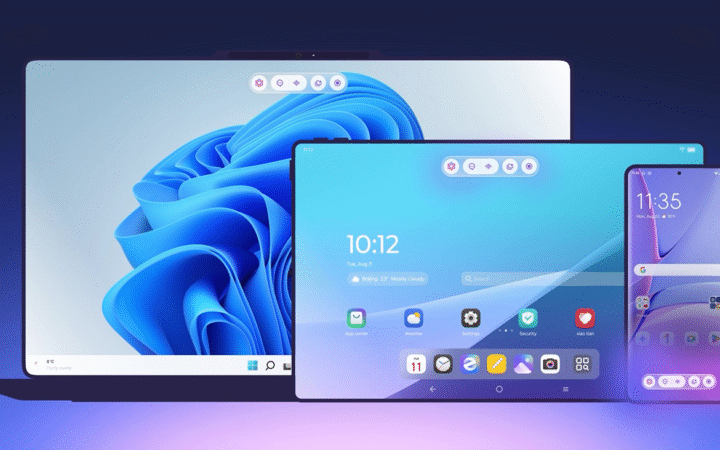
Lenovo introduced Qira, a system-level AI spanning PCs, tablets, smartphones, and wearables. The assistant offers context-aware, cross-device intelligence for writing, collaboration, and workflow management.
Former Meta AI head Yann LeCun criticized the company’s young AI chief, Alexander Wang, and warned that a lack of research experience could trigger staff departures from the firm.
Chinese AI startup MiniMax plans a Hong Kong IPO, aiming to raise over $600 million with backing from Alibaba and Abu Dhabi Investment Authority. The move positions MiniMax as a key player in China’s generative AI market.