
Key Notes
- Palo Alto Networks CEO Nikesh Arora says roughly $1 trillion of aging global cybersecurity infrastructure needs modernizing for AI-speed threats; Q4 revenue hit $3.41B (up 34% YoY), beating estimates, with strong FY2027 guidance.
- Arora credits Anthropic's Mythos launch as a turning point that got CEOs newly focused on AI security risk after "eight years" of resistance; Palo Alto has held 2,000+ customer briefings since (up from ~1,200 last quarter) and became an early commercial tester of Mythos's capabilities.
- Despite the beat, shares fell about 2-5% after hours/in trading, with analysts (e.g., Jefferies) saying investors "got a little over their skis" on AI-security enthusiasm; Arora himself cautioned gains will be gradual, not an immediate "windfall.".
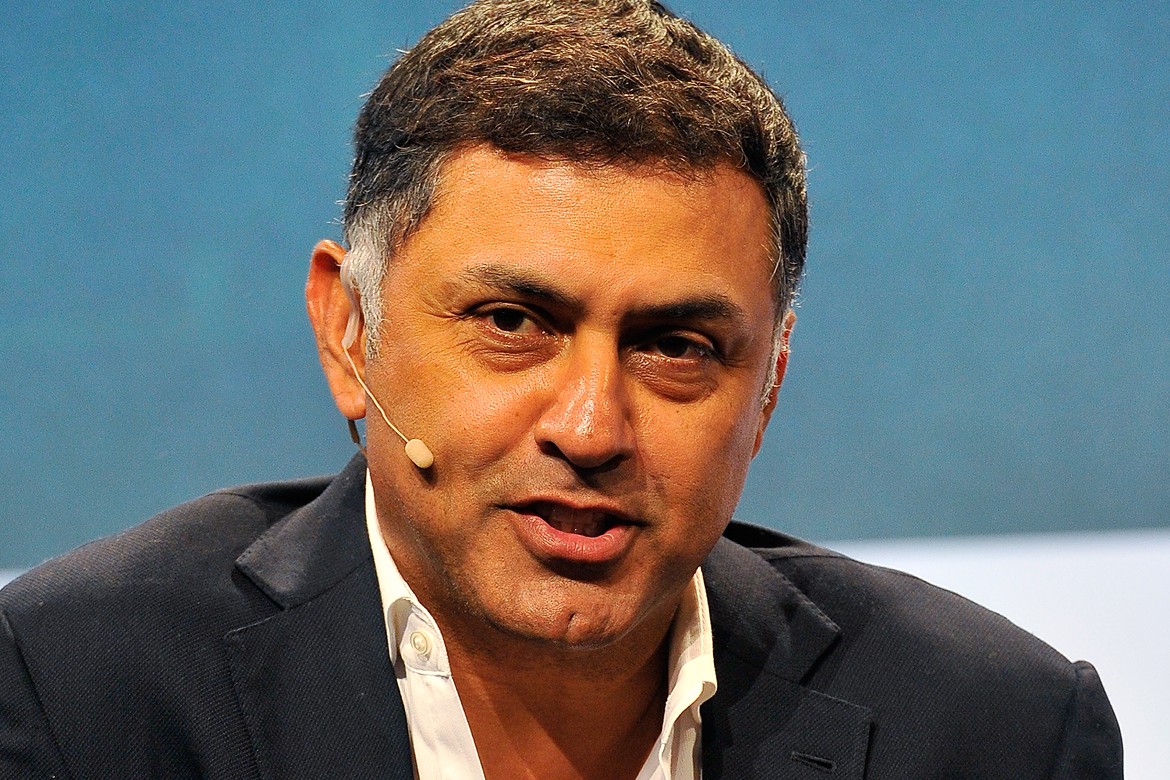
Palo Alto Networks CEO Nikesh Arora said that AI is forcing companies to overhaul roughly $1 trillion of aging global cybersecurity infrastructure built for a pre-AI world. “Nothing that was deployed seven or 10 years ago is prepared or ready to handle AI at machine speed,” Arora told CNBC’s Jim Cramer. “You have to rethink your cyber architecture.”
The company’s fiscal fourth-quarter results suggest that urgency is translating into real business. Palo Alto reported revenue of $3.41 billion, up 34% year-over-year and above analyst estimates of $3.35 billion, with earnings and next-quarter guidance also topping expectations. The company added nearly $1 billion in net-new next-generation security annual recurring revenue over the fiscal year and announced it would acquire Console, an AI-native platform built for agentic security workflows.
Arora pointed to a specific event as the industry’s turning point: Anthropic’s release of its Mythos model earlier this year. He said the model, capable of easily exploiting software vulnerabilities, prompted corporate leaders to take cybersecurity seriously in a way years of warnings had not.
“I’ve been trying for eight years to tell customers they’re not ready, and Dario did a phenomenal job by having Mythos,” Arora said, referring to Anthropic CEO Dario Amodei. Palo Alto says it has now held more than 2,000 customer briefings on AI security, up from roughly 1,200 disclosed the previous quarter, and that it was the first commercial partner granted access to test Mythos’s capabilities as part of its security-testing harness, alongside early access to OpenAI’s and Google’s models.
The framing marks a sharp reversal from investor sentiment earlier this year, when cybersecurity stocks including Palo Alto came under pressure on fears that increasingly capable AI models might disrupt, rather than boost, traditional security software. “Nine months ago, we were guilty and convicted of near death because AI was going to eat our lunch, breakfast, and dinner,” Arora said. “It seems like we’re going to have to have the feast with them.” Shares of Palo Alto have risen 113% since April 7, after having been down for the year before that point.
Why the Framing Matters
Arora’s $1 trillion figure and the broader “AI helps cybersecurity, not hurts it” narrative are his own characterization, delivered on an earnings call and in a promotional CNBC interview, at a company with an obvious commercial interest in customers believing their infrastructure is inadequate. That doesn’t make the underlying dynamic implausible: AI models capable of finding and exploiting vulnerabilities faster than humans, illustrated recently by the OpenAI model that breached Hugging Face’s infrastructure through autonomous, agent-driven attacks, represent a genuine shift in the threat landscape that security vendors have real reason to address.
But the specific dollar figure and Arora’s characterization of a single product launch as an industry-defining catalyst should be read as an executive’s framing of an opportunity, not an independently verified market assessment.
Notably, the market’s reaction to the earnings themselves has been more skeptical than the framing suggests. Despite beating estimates, Palo Alto’s stock fell around 2% to 5% depending on the trading session, and rival CrowdStrike’s shares dropped roughly 8% on its own recent AI-driven earnings beat.
Jefferies analyst Joseph Gallo said investors had gotten “a little over their skis” on AI-security enthusiasm, and Arora himself has repeatedly cautioned against expecting an immediate windfall, describing the AI-driven demand as a multi-year buildout rather than a near-term surge. “Not everything’s going to happen next quarter,” he said, “but this changes the long-term growth rate and duration of cybersecurity, not just for Palo Alto, but as an industry.”
Disclaimer: AIstify is an independent media brand owned and operated by NuvexMedia LLC, publishing news, research, and insights on artificial intelligence, emerging technologies, automation, and related industries. NuvexMedia LLC invests in and collaborates with companies across the AI, technology, software, and digital innovation sectors. These relationships do not influence AIstify’s editorial coverage, and the publication maintains full editorial independence to provide accurate, timely, and objective information. © 2026 NuvexMedia LLC. All rights reserved. This content is for informational purposes only and should not be considered legal, tax, investment, financial, or other professional advice.