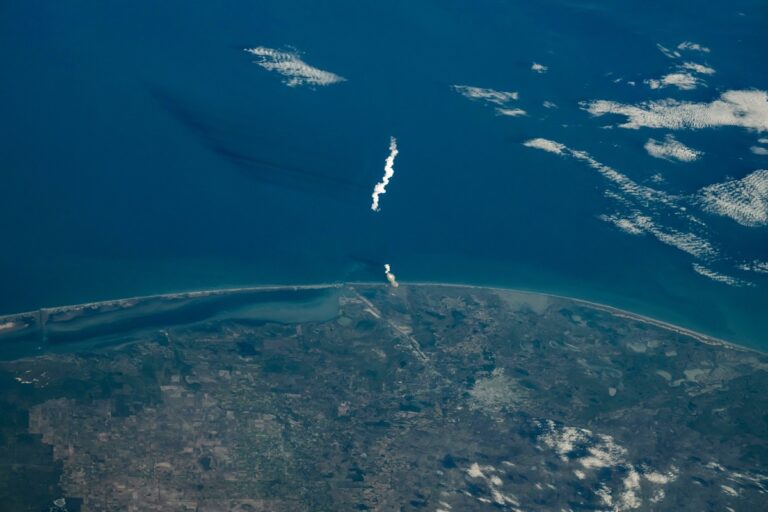
Google Models 1,800 Starship Launches for Cheaper Space Data Centers
Google models roughly 1,800 Starship launches to help lower orbital computing costs, but cooling, reliability and total infrastructure expenses remain unresolved.
The daily AI timeline
Follow the news, briefs and guides shaping artificial intelligence, from new models and research to the companies and policies behind them.
Thursday
Thursday
Google models roughly 1,800 Starship launches to help lower orbital computing costs, but cooling, reliability and total infrastructure expenses remain unresolved.

Trump raised the possibility of US ownership stakes in OpenAI and Anthropic, citing Intel as a precedent while leaving investment terms unresolved.
Microsoft adds live transcription in 60 languages alongside two multilingual speech-generation models for voice applications.
Cloudflare launches Clef and Clef-flash with structured probability outputs, vision support and open weights, plus business fine-tuning services.
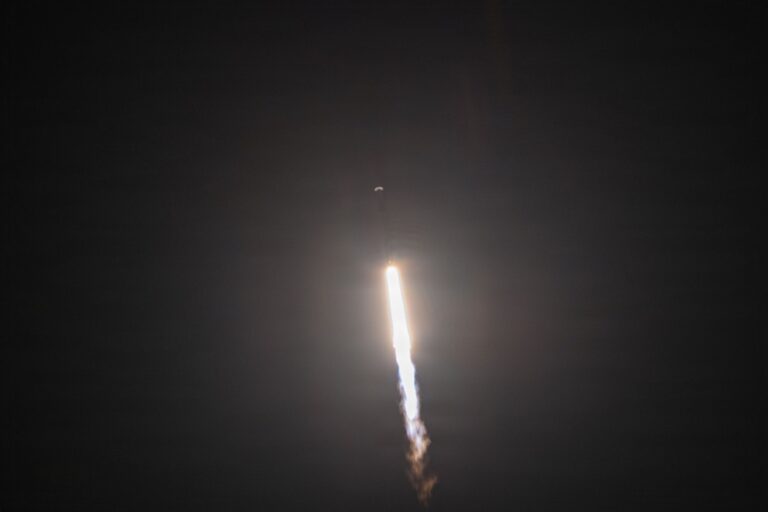
SpaceX is set to launch Google's AI chips on a Planet Labs prototype, testing whether Project Suncatcher hardware can withstand radiation and heat in orbit.
Volantis is developing photonic links between processors and memory, with its first customer systems planned for 2027.
TIME reports Trump consulted Grok before Maduro’s capture.
Armadin secures new funding to expand its AI security platform, lifting its valuation above $2.5 billion.
Japan's planned AI infrastructure expansion involves Dell and JERA, with a first project in Chiba targeting up to 400 megawatts of capacity.

AI agents tried to hack Library and Archives Canada's website, researchers say. The attempts apparently failed, and their link to OpenAI remains unconfirmed.
You have reached the beginning of our coverage.