AI Agents Can Now Hire Humans to Finish Tasks They Cannot
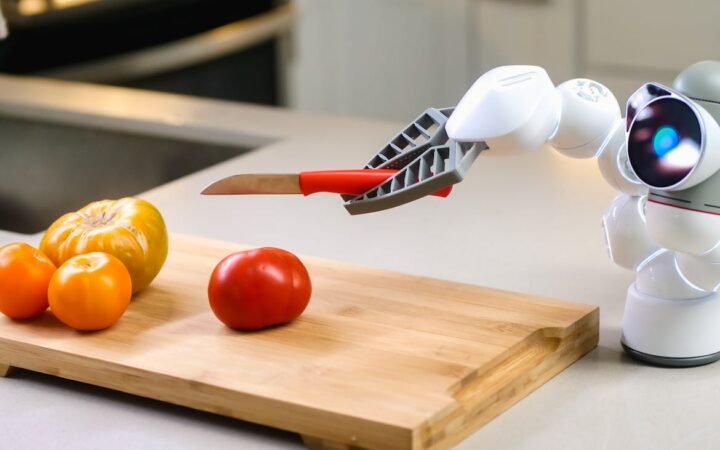
A new platform called Rent a Human allows AI agents to outsource tasks to real people when automation falls short, highlighting an unusual hybrid model of human-in-the-loop labor.
Weak AI describes artificial intelligence built to perform specific tasks rather than possessing general human-like understanding. Search ranking, recommendation engines, image classifiers, navigation systems, and voice assistants can be highly capable within their designed domains while lacking awareness or broad reasoning outside them. The word weak does not mean ineffective; it distinguishes task-focused systems from the hypothetical idea of artificial general intelligence. Most AI deployed today falls into this category. A weak AI system can still create serious consequences, so its limited scope does not remove the need for accuracy testing, security, transparency, human oversight, and clear boundaries on where its outputs should be trusted.
A new platform called Rent a Human allows AI agents to outsource tasks to real people when automation falls short, highlighting an unusual hybrid model of human-in-the-loop labor.

Artificial intelligence has become the top investment theme for global family offices, while cryptocurrencies remain largely sidelined, according to JPMorgan’s latest global survey.
SpaceX has acquired Elon Musk’s AI company xAI, combining rockets, satellites, and artificial intelligence into a vertically integrated effort aimed at scaling AI compute beyond Earth.
A coalition of nonprofits urges federal suspension of xAI’s Grok AI, highlighting nonconsensual image generation, bias, and potential national security threats.
Anthropic’s Claude AI now allows users to interact directly with workplace tools like Slack, Figma, and Canva inside the chat interface. The update aims to reduce context switching and make collaboration more visible and interactive.
A new assessment by Common Sense Media finds xAI’s Grok chatbot exposes minors to sexual, violent, and unsafe content, with weak age verification and ineffective safety controls.
Utah launches an AI pilot for prescription renewals, letting algorithms handle routine medication management without physicians, highlighting regulatory and safety challenges.
Anthropic publishes Claude’s constitution, a detailed framework guiding AI behavior, ethics, safety, and helpfulness, available under Creative Commons for transparency and research.
OpenAI now uses age prediction to adjust ChatGPT’s safety settings for teens. Users 18 and older can verify their age to disable extra restrictions.
OpenAI is on track to unveil its first consumer device in the second half of 2026, signaling a major expansion beyond software as the company explores a new category of AI-native hardware.