Anthropic Partners with Allianz on Enterprise AI
Anthropic has partnered with Allianz to deploy its Claude AI models and custom agents across the insurer, emphasizing responsible, transparent AI for multi-step workflows and regulatory compliance.
Sequence-to-sequence, or Seq2Seq, describes models that map an input sequence to an output sequence whose length may differ. Machine translation converts words in one language into another, speech recognition maps audio frames to text, and summarization produces a shorter sequence from a longer document. Many Seq2Seq systems use an encoder to represent the input and a decoder to generate output step by step, often with attention between them. Transformer encoder–decoder architectures largely replaced earlier recurrent designs. Training typically uses paired examples and token-level loss, while inference relies on greedy, beam, or sampling-based decoding. Quality depends on alignment, context limits, data coverage, and evaluation beyond surface overlap.
Anthropic has partnered with Allianz to deploy its Claude AI models and custom agents across the insurer, emphasizing responsible, transparent AI for multi-step workflows and regulatory compliance.

Sakana AI’s ALE-Agent secured 1st place in the AtCoder Heuristic Contest 058, outperforming 804 human participants. The agent autonomously discovered novel optimization strategies during the 4-hour competition.
PayPal and Microsoft are integrating checkout and payments directly into Copilot, allowing users to discover products and complete purchases without leaving the AI interface. The rollout begins on Copilot.com and expands PayPal’s agentic commerce strategy.
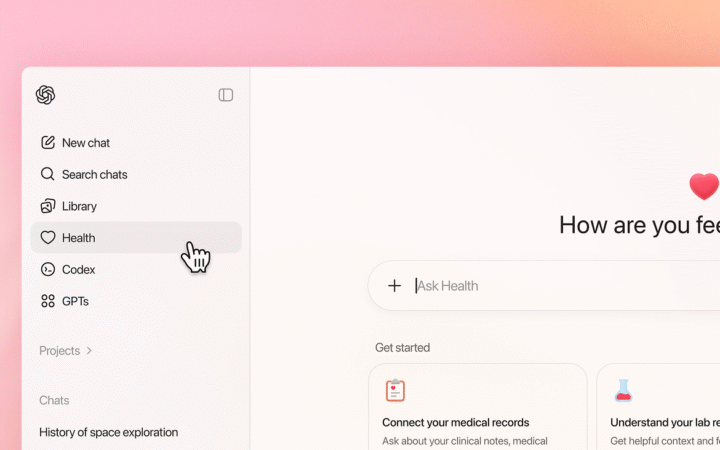
OpenAI introduced ChatGPT Health, a dedicated experience that securely integrates personal health data with AI, helping users navigate wellness, lab results, and appointments with added privacy protections.
Anthropic is preparing to raise $10 billion at a $350 billion valuation, nearly doubling its recent value. Major backers include GIC, Coatue, Microsoft, and Nvidia, supporting cloud expansion and AI model development.
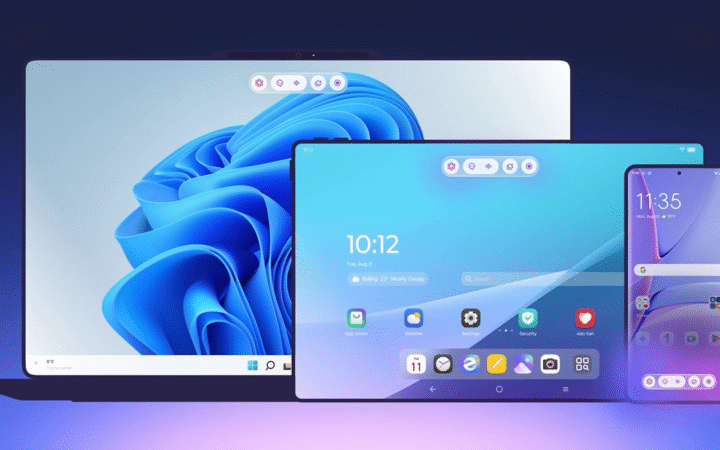
Lenovo introduced Qira, a system-level AI spanning PCs, tablets, smartphones, and wearables. The assistant offers context-aware, cross-device intelligence for writing, collaboration, and workflow management.
xAI closed a $20 billion Series E round, exceeding its original target and adding strategic backing from NVIDIA and Cisco. The funding supports expanded data center capacity, large-scale GPU deployment, and continued development of the Grok model family.
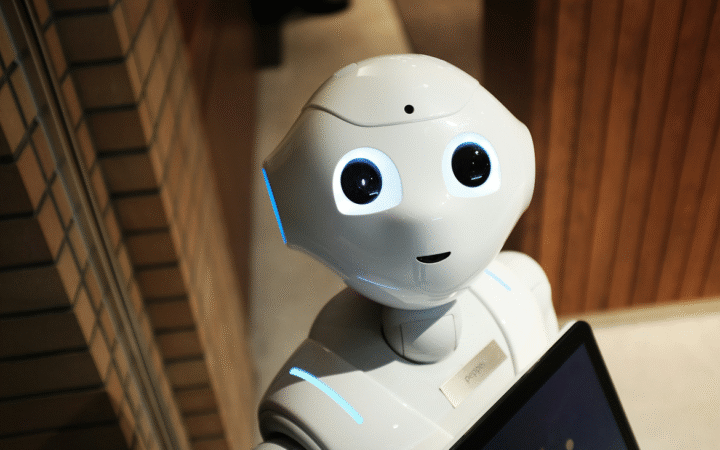
Beyond major product launches, CES 2026 is highlighting a wave of unconventional AI-powered devices, from holographic assistants to robotic pets and smart kitchen tools. The gadgets reflect how artificial intelligence is moving into niche consumer applications.
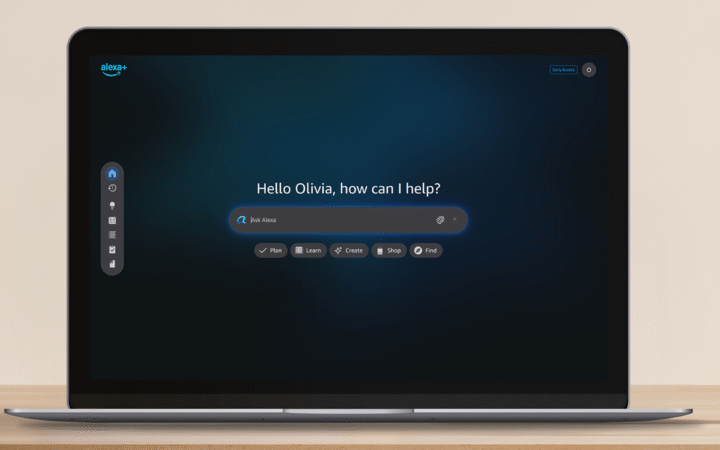
Amazon has launched Alexa.com, bringing its AI-powered Alexa+ assistant to the web and mobile app, enabling family-focused tasks, smart home control, and content creation online.
Google is adding new Gemini AI features to Google TV, enabling voice-driven controls, personalized recommendations, and AI-powered photo and video experiences. The updates debut on select TCL televisions before a broader rollout.