Google DeepMind Unveils AlphaGenome DNA Prediction Model
Google DeepMind has introduced AlphaGenome, a new AI model designed to analyze long DNA sequences and predict how genetic variations may influence disease development.

Pretraining teaches an AI model broad patterns from a large dataset before it is adapted to a particular application. A language model may predict missing or next tokens across diverse text, while a vision model may learn from labeled images, self-supervised objectives, or image-text pairs. The resulting model provides reusable representations and capabilities that reduce the data and computing needed for downstream tasks. Pretraining is expensive and shapes nearly everything that follows, including strengths, blind spots, bias, language coverage, and memorized information. Developers may adapt the base through prompting, retrieval, instruction tuning, or fine-tuning, but those later steps do not automatically remove limitations introduced by the original data and objective.
Google DeepMind has introduced AlphaGenome, a new AI model designed to analyze long DNA sequences and predict how genetic variations may influence disease development.

Amazon is in early discussions to invest tens of billions of dollars in OpenAI, a move that could deepen its position in the global AI race and make it the startup’s largest new backer.
Mistral AI released the general availability of Mistral Vibe 2.0, upgrading its terminal-based coding agent as it shifts developer tools from testing to paid enterprise products.
Google’s lower-cost AI Plus subscription, priced at $7.99 in the U.S., is now available in all markets offering Google AI plans, providing access to Gemini 3 Pro, AI filmmaking tools, and more.
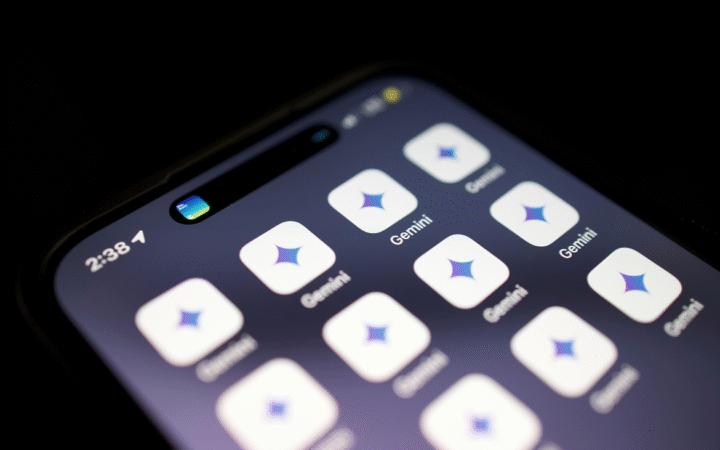
Apple plans to debut a Gemini-based Siri in February, offering more natural conversations, complex tasks, and integration across iOS, iPadOS, and macOS.
OpenAI’s latest ChatGPT model has cited Elon Musk-backed Grokipedia across multiple topics, prompting concerns among researchers about how low-credibility sources can influence AI-generated answers.
Language learning app Praktika is using OpenAI models to power a multi-agent tutoring system designed to improve real-world speaking fluency through adaptive, conversational lessons.
Apple is reportedly working on a pin-shaped AI wearable with cameras and microphones, potentially launching in 2027, signaling increased competition in the AI hardware space.
Apple is preparing a major overhaul of Siri that would turn the assistant into a chatbot-style interface integrated into iOS 27, reflecting growing competitive pressure in generative AI.
OpenAI is on track to unveil its first consumer device in the second half of 2026, signaling a major expansion beyond software as the company explores a new category of AI-native hardware.