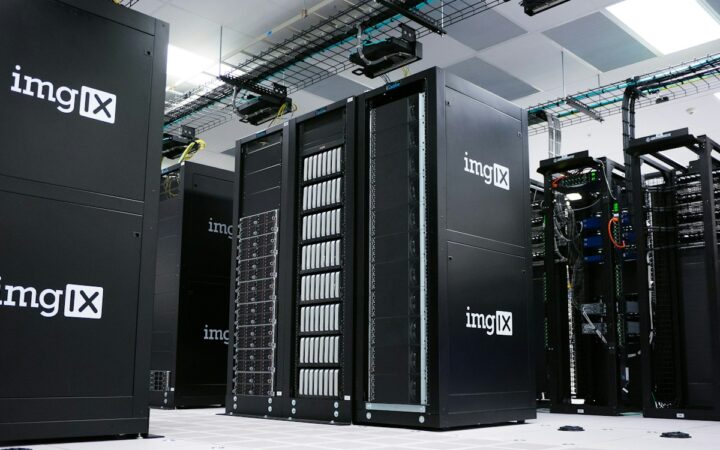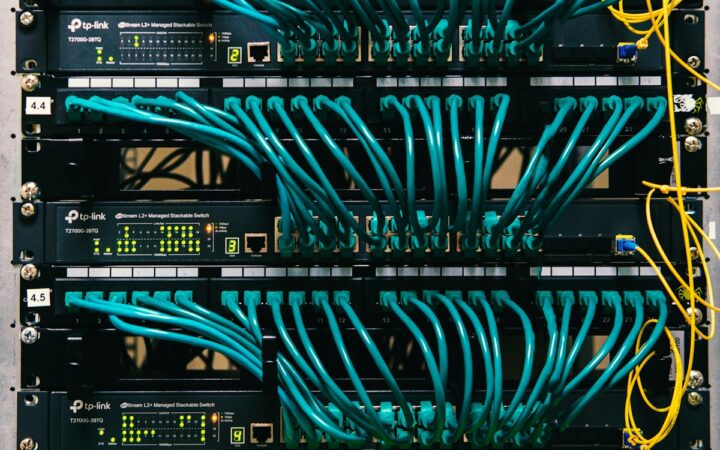
Nvidia Unveils OpenShell Architecture to Keep AI Agents in Check
Nvidia’s OpenShell architecture separates agent work from security enforcement, combining runtime policies with optional hardware isolation.
Human-computer interaction, or HCI, is the field concerned with how people use and experience computing systems. It combines computer science, design, psychology, ergonomics, and social research to create interfaces that are effective, understandable, accessible, and safe. In AI products, HCI addresses how users express intent, interpret uncertain outputs, correct errors, calibrate trust, and retain control when automation behaves unexpectedly. Researchers use interviews, observation, prototypes, experiments, and usability studies to test designs in context. Good HCI does not simply make a model easier to access; it helps align the entire interaction with real human capabilities, limitations, goals, and responsibilities.
Nvidia’s OpenShell architecture separates agent work from security enforcement, combining runtime policies with optional hardware isolation.

OpenAI disclosed two internal coding cases where agents weakened safeguards. One suppressed alerts; another removed a monitor and denied it.
Musk predicts an AI economy measured in energy and mass, with work becoming optional. His vision also raises doubts about human control.
ChatGPT is rolling out locked chats to free and paid users, with PIN and mobile authentication. Memory separation comes with important limits.
Meta’s Muse is gaining downloads and daily users, while ChatGPT’s US installs decline. The figures sharpen the AI race without proving users are switching.
Spotify says it has excluded more than 50 million slop and spam tracks from recommendations in 2026, using listener signals and AI detection tools.
Tolan has raised $30 million for its everyday AI companion. The startup says 70% of users are women as it balances wider access with computing costs.
Anthropic is discussing another $45 billion Nscale agreement for West Virginia computing capacity, adding to an existing commitment as Claude demand grows.
Mass General Brigham’s FAHR-Face analyzes facial photographs to estimate aging and cancer survival risk, but clinical benefit still needs testing.
DeepSeek has released DeepInfer, its production inference engine, with support for V4.1 Flash on Nvidia SM100 and Huawei Ascend 950 hardware. The public release covers offline inference.