
OpenAI Weighs Slower AI Development as Safety Concerns Mount
Sam Altman has discussed slowing advanced AI development, Bloomberg reports, as OpenAI’s chief scientist argues for coordination and stronger safeguards.
Federated learning allows many participants to improve a shared model while keeping raw training data on local devices or institutional servers. A coordinator distributes a model, participants calculate updates from their own data, and aggregated updates are used to create the next version. This can reduce data movement and support privacy or regulatory requirements in mobile, healthcare, and cross-organization settings. It does not guarantee privacy by itself: model updates may leak information, participants can submit malicious changes, and uneven local datasets can destabilize training. Secure aggregation, differential privacy, authentication, robust update rules, and careful governance are often needed alongside the core federated process.
Sam Altman has discussed slowing advanced AI development, Bloomberg reports, as OpenAI’s chief scientist argues for coordination and stronger safeguards.
OpenAI paused reinforcement learning on its newest models after it could not rule out that an upcoming model, Astra, reached the top cybersecurity risk tier in its safety framework.

Ethereum’s Vitalik Buterin argued the gravest AI risk is not rogue superintelligence but a few companies or governments seizing control of it, in a widely shared thread on AI’s future.

AI startup Recursive Superintelligence has raised $500 million from Nvidia and GV to pursue self-improving AI systems, despite having no public product.

LinkedIn is testing a new platform that lets users earn up to $150 per hour training AI models. The move taps into fast-growing demand for human feedback in AI.
Encyclopaedia Britannica and Merriam-Webster have sued OpenAI, alleging the company copied nearly 100,000 articles and dictionary entries to train ChatGPT without permission.
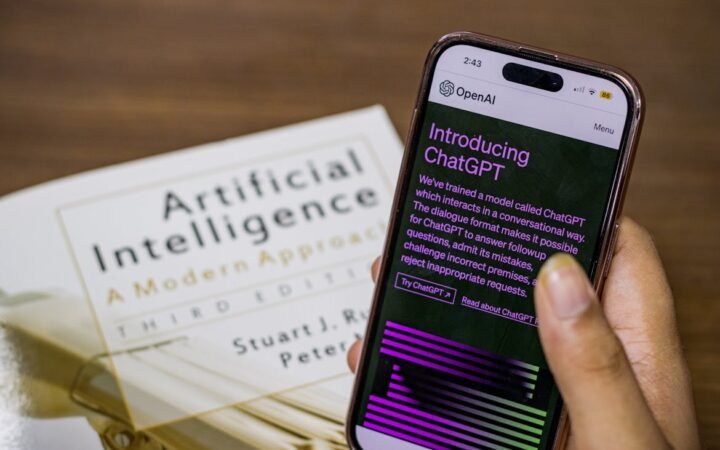
Artificial intelligence has become the top investment theme for global family offices, while cryptocurrencies remain largely sidelined, according to JPMorgan’s latest global survey.
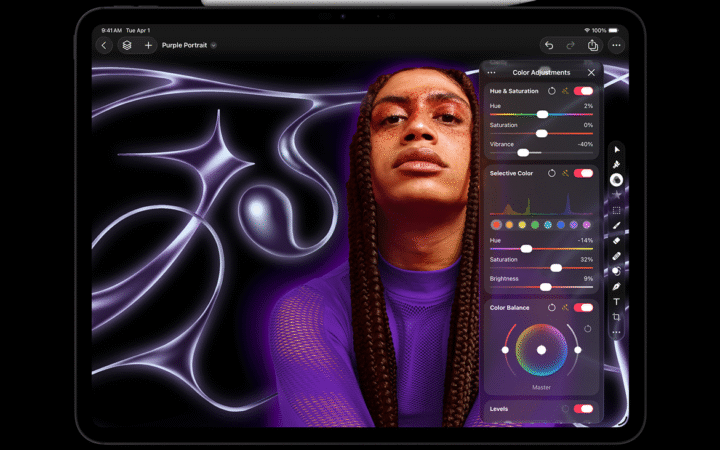
Apple introduced Apple Creator Studio, a subscription bundle combining professional creative apps with new AI-driven features across video, music, imaging, and productivity tools. The offering expands Apple’s push into intelligent software workflows for creators.
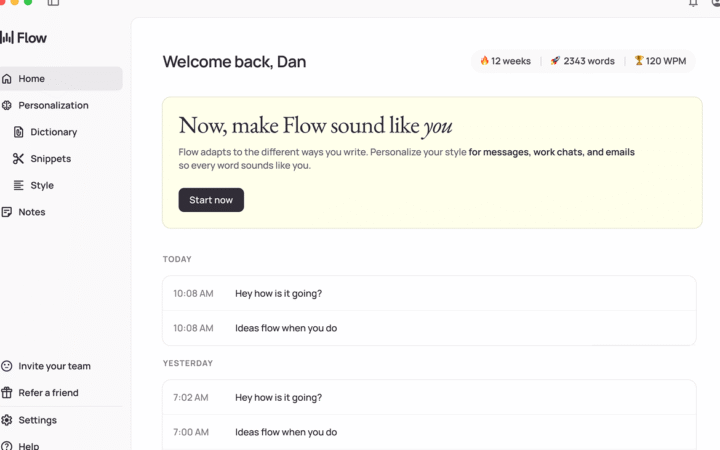
Voice AI startup Wispr has secured another $25M in funding as its Flow dictation app surges in enterprise adoption and user retention, bringing total capital raised to $81M.

Pinterest is turning to open source AI models to cut expenses and enhance its visual search and shopping tools, even as the company forecasts softer holiday revenue. CEO Bill Ready says the approach will support performance while keeping infrastructure costs in check.