MiniMax Launches M3.1 Flash for Fast, Low-Cost AI Agents
MiniMax has released M3.1 Flash for AI agents, coding and computer use, with API pricing from $0.15 per million input tokens and claimed speeds above 200 tokens per second.
Agentic AI describes software that works toward an objective by deciding what to do next rather than waiting for a new instruction at every step. A typical agent interprets the goal, creates a plan, calls permitted tools, reviews the result, and adjusts when an action fails. This makes the approach useful for research, coding, customer operations, and other tasks that span several systems or decisions. Autonomy does not mean unlimited control: production agents should operate within explicit permissions, spending limits, data boundaries, and stopping rules. Logs and human approval checkpoints help teams trace decisions and intervene before an incorrect plan causes wider effects.
MiniMax has released M3.1 Flash for AI agents, coding and computer use, with API pricing from $0.15 per million input tokens and claimed speeds above 200 tokens per second.
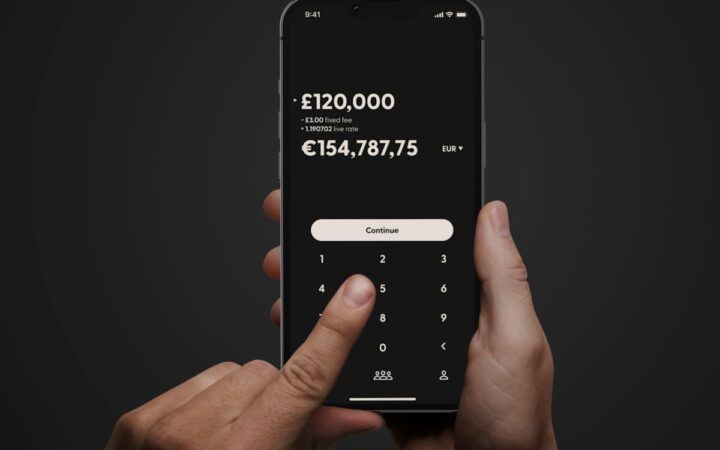
World has introduced a bank-facing World ID suite that lets financial firms request proof of humanity, presence or selected attributes as AI deepfakes and agents reshape trust online.
Anthropic says Claude-driven development pushed code changes past 30,000 a day, turning Git infrastructure into a bottleneck and leading to its new Scion source-control system.
Anthropic is reportedly consulting law firms on how Claude agents could negotiate prices, disputes and work terms while acting for human users.
YC-backed Outlit says its AI agents continuously combine internal records and public signals to flag churn risk and sales opportunities across business accounts.
Anthropic says junior technical hires fell from 27% to 9% while employee-directed Claude agents logged six times more runtime than their human handlers.
DeepSeek’s V4.1-Flash-1017 claims faster, shorter responses at the same model price while Search and Fetch APIs open its web tools to developers.
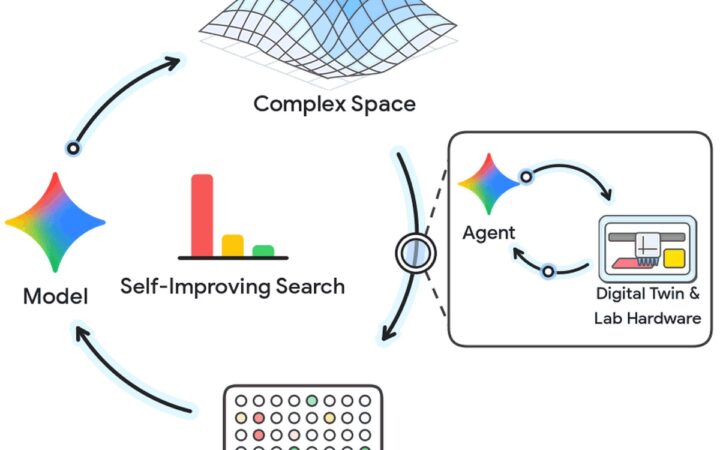
Google Research says its agent workflows use a digital twin, simulation and human authorization to run and refine wet-lab experiments.
NVIDIA’s Nemotron 3.5 Super VL handles visual documents and agent workflows, while Bolt targets local AI in 24GB. A 4GB version arrives October 23.
Kling 4.0 is publicly available with 30-second videos, stereo audio and keyframe controls, while MCP support lets AI assistants handle generation.