Key Notes
- NVIDIA has reportedly told partners to halt server shipments to Malaysia, Singapore, Thailand and Indonesia, with the duration unclear.
- New US rules require licenses for covered advanced-chip deliveries to those countries and Brazil, subject to exemptions for qualifying US companies.
- Separate remote-computing controls add customer and ownership checks for data centers providing substantial capacity to restricted entities.
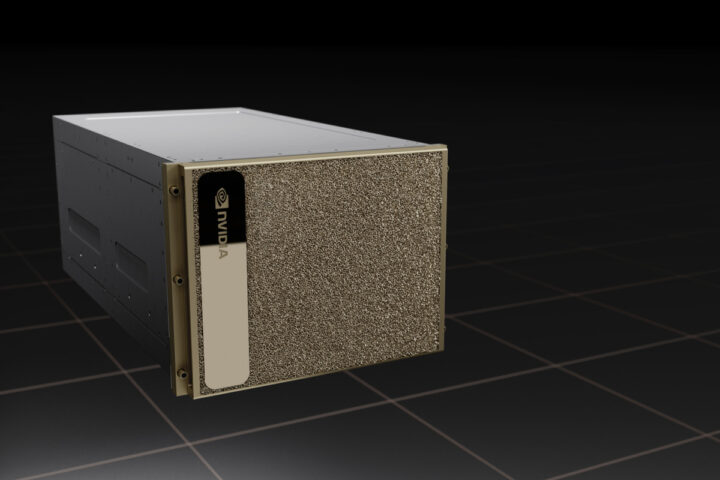
NVIDIA has told manufacturing partners to stop shipping servers containing its chips to Malaysia, Singapore, Thailand and Indonesia, Reuters reported on November 26, citing the Financial Times.
Partners including Dell Technologies and Supermicro have informed buyers that their orders cannot ship, according to the report. It remains unclear whether the suspension is temporary while the companies work through new US export requirements.
The report cites three people familiar with the matter. NVIDIA, Dell and Supermicro did not immediately respond to Reuters’ requests for comment outside regular business hours.
A New Licensing Hurdle for AI Infrastructure
The reported halt follows a US rule that took effect on November 19. The Bureau of Industry and Security introduced the measures to prevent restrictions on advanced American computing technology from being circumvented through data centers in other countries.
The rule requires licenses for covered advanced-semiconductor shipments to the four Southeast Asian destinations and Brazil. Qualifying companies headquartered in the US, or with a US-headquartered ultimate parent, are exempt from that destination-based requirement if they meet specified reporting conditions.
A separate provision addresses remote access to substantial computing capacity by companies headquartered in China and other restricted destinations. Existing providers of covered services have 90 days to obtain authorization. That transition concerns qualifying remote-computing arrangements; it does not create a general 90-day exemption for every new chip shipment.
The distinction matters for AI infrastructure projects. A shipment can face licensing requirements because of its destination, while a cloud provider’s intended customers and their ownership can create additional obligations. The hardware’s physical location is only one part of the assessment.
The Impact Reaches Beyond Chinese Model Developers
For customers planning new AI capacity, the immediate question is when equipment can arrive. Servers must be delivered and installed before they can support training, inference or computing rentals. An uncertain shipment date therefore complicates a project even if the buyer expects eventually to qualify for a license.
The wider pressure on Chinese developers is already becoming visible. AIstify reported that Z.AI’s next flagship is behind schedule and Moonshot sees a risk of longer release cycles if it loses overseas computing access.
The latest report concerns the equipment supply chain itself. The US policy provides licensing routes and exceptions, but those provisions do not establish when the reported pause will end. Confirmation from NVIDIA and its partners, along with clearer delivery schedules, will determine how disruptive the halt becomes for the region’s AI buildout.
Disclaimer: AIstify is an independent media brand owned and operated by NuvexMedia LLC, publishing news, research, and insights on artificial intelligence, emerging technologies, automation, and related industries. NuvexMedia LLC invests in and collaborates with companies across the AI, technology, software, and digital innovation sectors. These relationships do not influence AIstify’s editorial coverage, and the publication maintains full editorial independence to provide accurate, timely, and objective information. © 2026 NuvexMedia LLC. All rights reserved. This content is for informational purposes only and should not be considered legal, tax, investment, financial, or other professional advice.