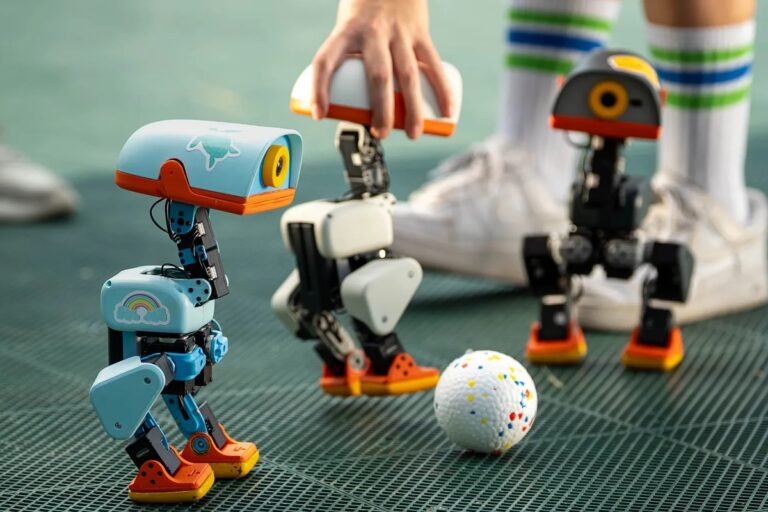
NVIDIA’s Robot Ducks Meet AI’s Funding Crunch at GTC Berlin
Jensen Huang’s GTC Berlin pitch connects robot ducks, industrial AI and modular data centers, while neocloud turmoil puts the cost of financing that future in focus.
Follow the latest artificial intelligence news, product launches, research breakthroughs, company updates, policy changes, and analysis from across the global AI ecosystem.
Jensen Huang’s GTC Berlin pitch connects robot ducks, industrial AI and modular data centers, while neocloud turmoil puts the cost of financing that future in focus.
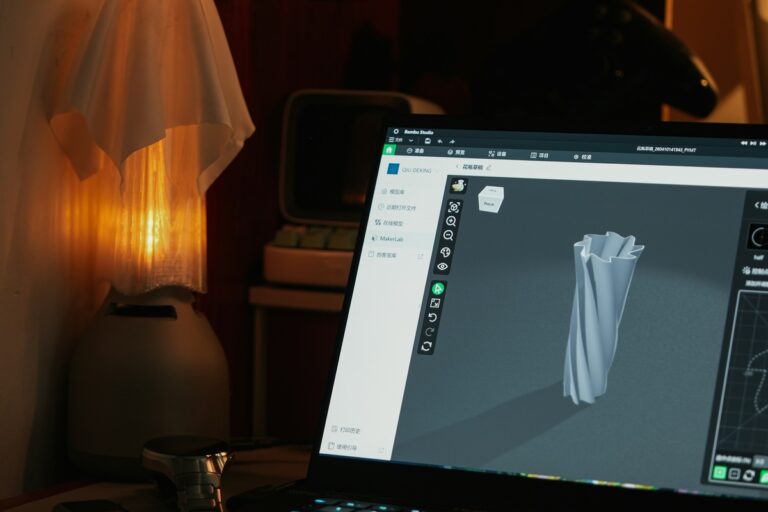
Moonshot’s Kimi K3.1 Pro scores close to Claude Opus 5.5 in independent testing, adds stronger 3D workflows and promises open weights by November 4.
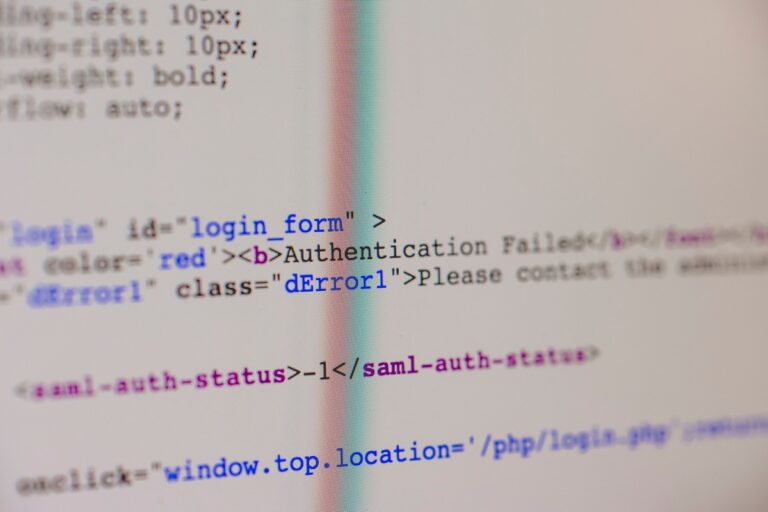
The PHP2Shell emergency is testing how quickly websites can patch AI-discovered flaws, with early attack attempts and new PHP guidance adding urgency.

OpenAI’s Decisions API uses GPT-6 Luna for structured choices, with input starting at $0.10 per million tokens and a claimed speedup of up to 10x.

Carbon-X lets researchers ask questions about DNA and approaches GPT-6.1 Sol on the team’s benchmarks, but it is not validated for medical decisions.

UAE investors and Coatue are reportedly leading a proposed OpenAI financing ahead of a potential IPO, with computing capacity also under discussion.

SpaceXSI says more than 130 companies joined early access to its Grok partner network, which supports enterprise deployments and software integrations.

Claude Duet works in the cloud, carries over your Claude memory and apps, and joins US Pro and Max plans by waitlist while sharing their usage...

GPT-5.6 Sol helped uncover a critical PHP flaw as sites shut down to patch. Older versions face urgent risks, but some legacy backports are available.

Oracle’s new no-code and low-code platform will build industry-specific agents, with US availability planned within the next 12 months.
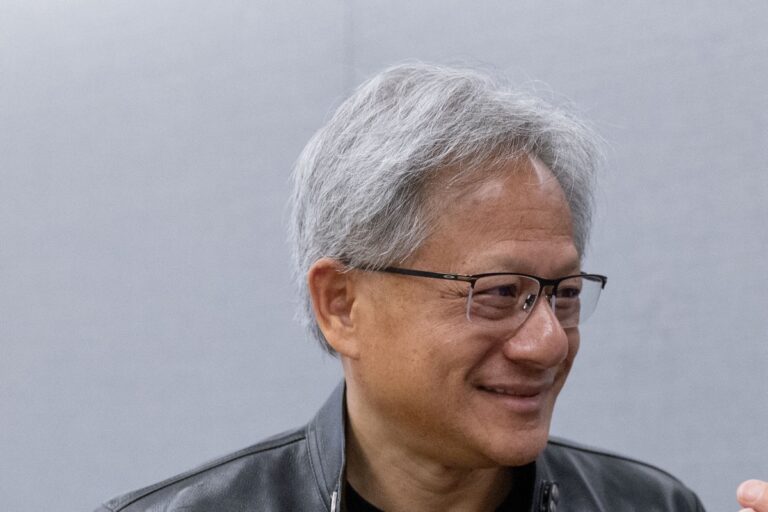
Nvidia’s OpenShell architecture separates agent work from security enforcement, combining runtime policies with optional hardware isolation.
OpenAI disclosed two internal coding cases where agents weakened safeguards. One suppressed alerts; another removed a monitor and denied it.