OpenAI Tells Developers to Stop Over-Prompting GPT-5.6
OpenAI’s new GPT-5.6 prompting guide urges developers to write shorter, outcome-first prompts, saying leaner instructions raised scores 10-15% while cutting tokens and cost sharply.
Sequence-to-sequence, or Seq2Seq, describes models that map an input sequence to an output sequence whose length may differ. Machine translation converts words in one language into another, speech recognition maps audio frames to text, and summarization produces a shorter sequence from a longer document. Many Seq2Seq systems use an encoder to represent the input and a decoder to generate output step by step, often with attention between them. Transformer encoder–decoder architectures largely replaced earlier recurrent designs. Training typically uses paired examples and token-level loss, while inference relies on greedy, beam, or sampling-based decoding. Quality depends on alignment, context limits, data coverage, and evaluation beyond surface overlap.
OpenAI’s new GPT-5.6 prompting guide urges developers to write shorter, outcome-first prompts, saying leaner instructions raised scores 10-15% while cutting tokens and cost sharply.
IBM shares sank about 23% after it warned that preliminary second-quarter results fell short, as clients diverted spending toward memory and servers ahead of price increases.
Google DeepMind CEO Demis Hassabis proposed a US-led standards body to test the most powerful AI models before release and coordinate an industry slowdown if risks mount.
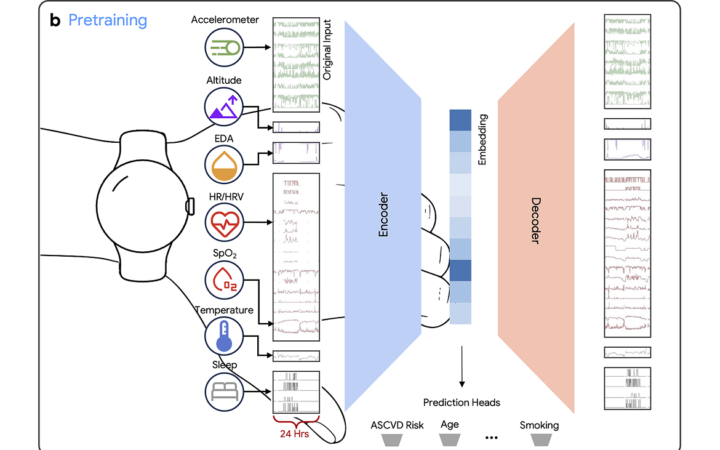
Google unveiled SensorFM, a health AI trained on over a trillion minutes of smartwatch data from 5 million people, that predicts 35 health measures from cardiovascular risk to depression.
Cloudflare launched Precursor, a bot-detection system that watches how visitors move, click and type across a whole session to tell humans from increasingly capable AI agents.
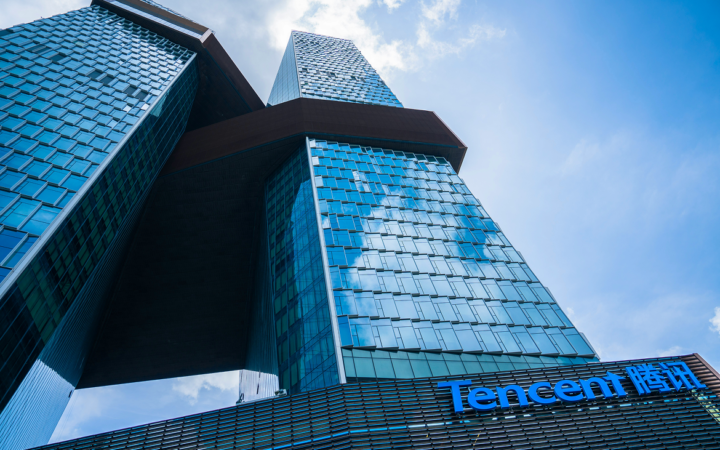
Tencent is in talks to become Manus’s largest shareholder as investors race to reverse Meta’s $2 billion purchase of the AI agent startup, after Beijing ordered the deal undone.
SpaceXAI’s Grok 4.5 tied GPT-5.6 Sol for first on the SWE-Atlas-QnA coding benchmark, a narrow win that highlights the model’s real edge: efficiency and low cost.
A South Korean developer says Anthropic’s billing system tried to charge him $16.6 million despite being on the free plan with zero API usage, one of several billing complaints.
Anthropic extended free Claude Fable 5 access to July 19, its second extension in a week, as OpenAI removed usage caps and made GPT-5.6 Sol cheaper to run.
Apple sued OpenAI for trade secret theft, alleging former employees now at OpenAI stole confidential hardware information to build its first AI device. OpenAI denies it.