SoftBank Plans $369 Million Bond Sale to Fund Its AI Push
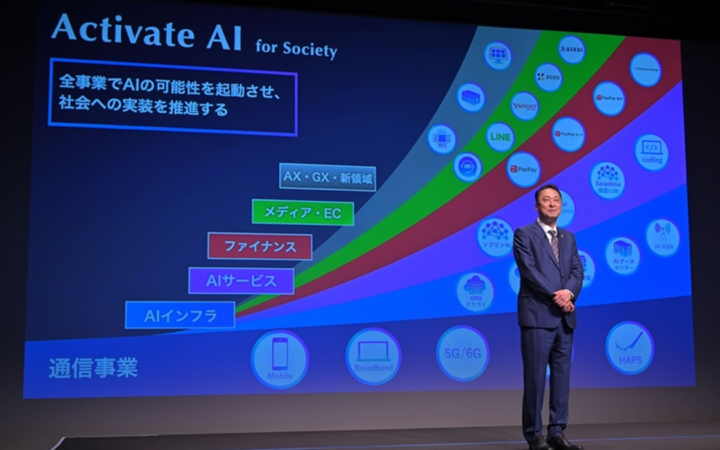
SoftBank plans to sell about ¥60 billion of notes in Japan this month, its latest raise to fund a mounting AI bet that includes nearly $65 billion committed to OpenAI.

Sequence-to-sequence, or Seq2Seq, describes models that map an input sequence to an output sequence whose length may differ. Machine translation converts words in one language into another, speech recognition maps audio frames to text, and summarization produces a shorter sequence from a longer document. Many Seq2Seq systems use an encoder to represent the input and a decoder to generate output step by step, often with attention between them. Transformer encoder–decoder architectures largely replaced earlier recurrent designs. Training typically uses paired examples and token-level loss, while inference relies on greedy, beam, or sampling-based decoding. Quality depends on alignment, context limits, data coverage, and evaluation beyond surface overlap.
SoftBank plans to sell about ¥60 billion of notes in Japan this month, its latest raise to fund a mounting AI bet that includes nearly $65 billion committed to OpenAI.

Chinese startup Moonshot released Kimi K3, a 2.8-trillion-parameter open-weight model it says rivals Anthropic’s Claude, as the US-China AI gap narrows.
Anthropic is scheduling investor meetings ahead of a potential IPO as soon as October, a move that could take the Claude maker public before rival OpenAI.
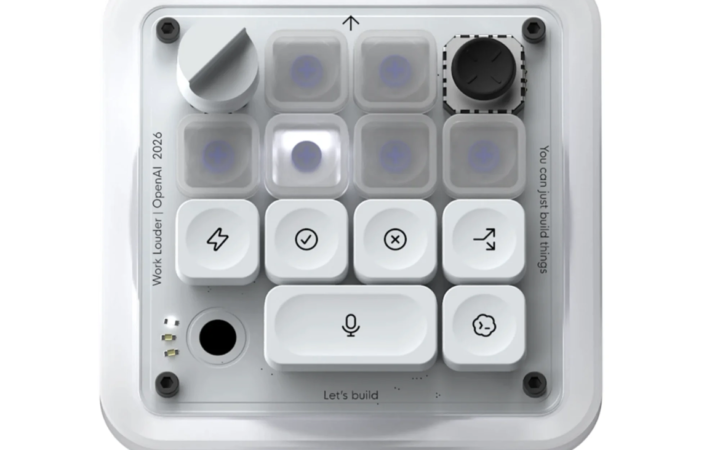
OpenAI launched Codex Micro, a $230 mechanical keypad built with Work Louder that gives developers physical controls for its Codex coding agent, its first hardware to reach market.
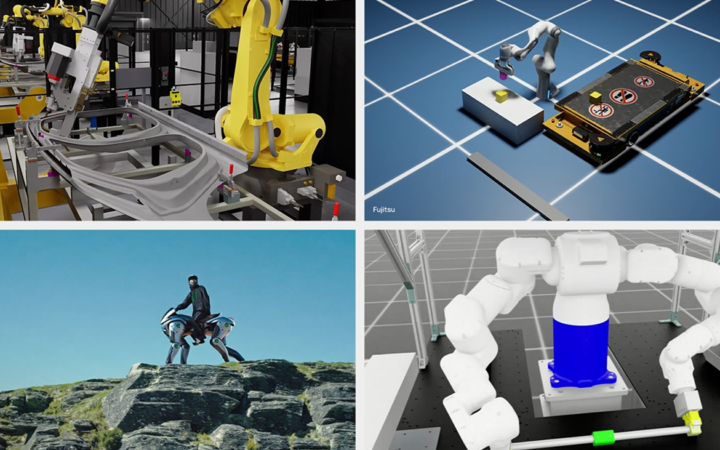
NVIDIA unveiled Cosmos 3 Edge and said Japan’s robotics and manufacturing leaders, from FANUC to Sony, intend to join its Cosmos Coalition to build AI for the physical world.
Microsoft is coaching its sales force to argue its AI products beat OpenAI’s and Anthropic’s on cost, security and completeness, turning on the partners whose models it long relied on.
A Reuters analysis found xAI installed 59 unpermitted gas turbines to power its Colossus 2 data center, releasing pollution near predominantly Black Memphis-area communities.
OpenAI’s first hardware, reportedly designed with Jony Ive, is a portable, screenless smart speaker built as a proactive AI companion that learns its owner and moves on its own.
Twenty-six Meta workers sued the company, alleging its AI systems used metrics like token consumption to select layoff targets, disadvantaging people on medical or family leave.
Visa, Mastercard, Stripe, Google and 36 others formed a Linux Foundation body to steward x402, an open standard letting AI agents pay for services directly over HTTP.