Hugging Face Releases Carbon-X, an Open AI Model for DNA Chat
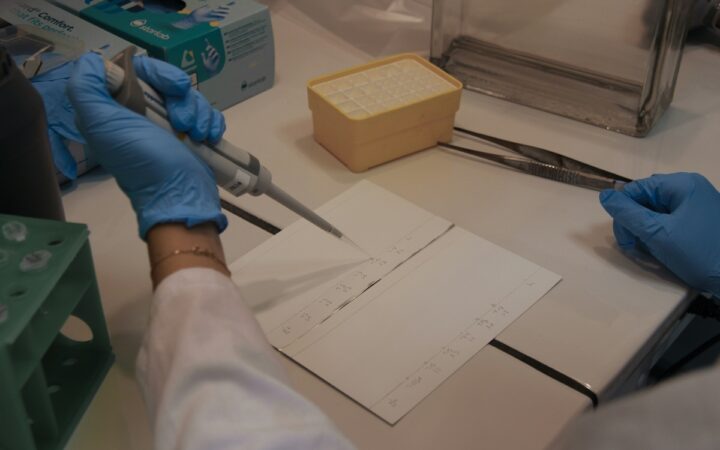
Carbon-X lets researchers ask questions about DNA and approaches GPT-6.1 Sol on the team’s benchmarks, but it is not validated for medical decisions.

Quantum computing is an emerging field of computer science that uses the principles of quantum mechanics to perform complex calculations far faster than traditional computers. Unlike classical computers, which process information in binary bits (0s and 1s), quantum computers use quantum bits or qubits that can represent multiple states simultaneously through superposition. This allows them to solve certain problems – such as optimization, cryptography, and molecular simulation – much more efficiently. In artificial intelligence, quantum computing has the potential to accelerate machine learning, optimize large datasets, and enhance model training. Although still in its early stages, quantum computing represents a major step toward more powerful and scalable AI systems.
Carbon-X lets researchers ask questions about DNA and approaches GPT-6.1 Sol on the team’s benchmarks, but it is not validated for medical decisions.

Mass General Brigham’s FAHR-Face analyzes facial photographs to estimate aging and cancer survival risk, but clinical benefit still needs testing.
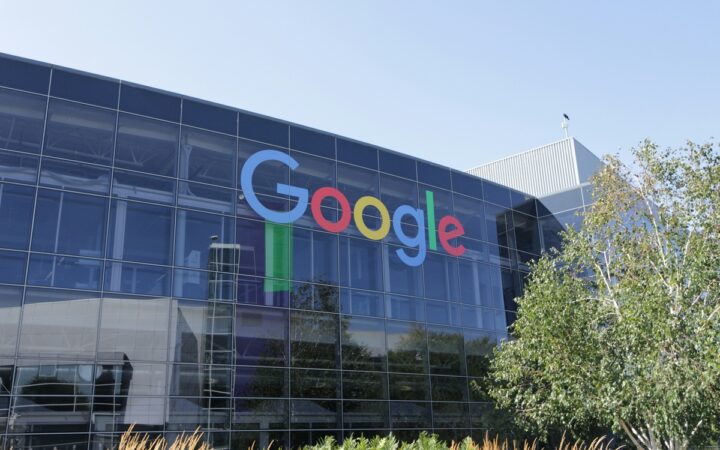
Google reports 99.99% magic-state fidelity on Willow, with errors reduced 40x. The quantum computing advance retained 8% of attempts and still needs to scale.
Google Deep Review offers two free document checks a week, using AI agents to flag errors and weak arguments. Its benchmark results come with important limits.
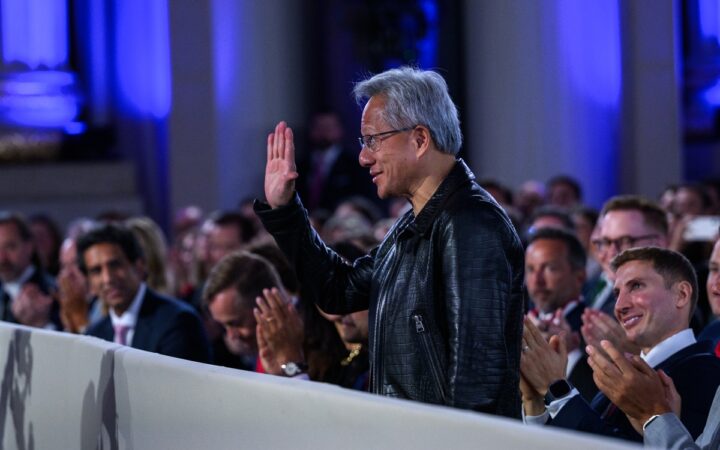
Jensen Huang urges cooperation with Chinese AI researchers as the industry debates how to manage advanced systems and maintain effective human control.
H2O.ai’s 2026 AI 100 recognizes model builders, researchers and business leaders, with honorees spanning nearly 90 organizations worldwide.
Anthropic’s TV-box and virtual-network tests point to a possible AI self-replication threat, with important limits on what the experiments demonstrated.
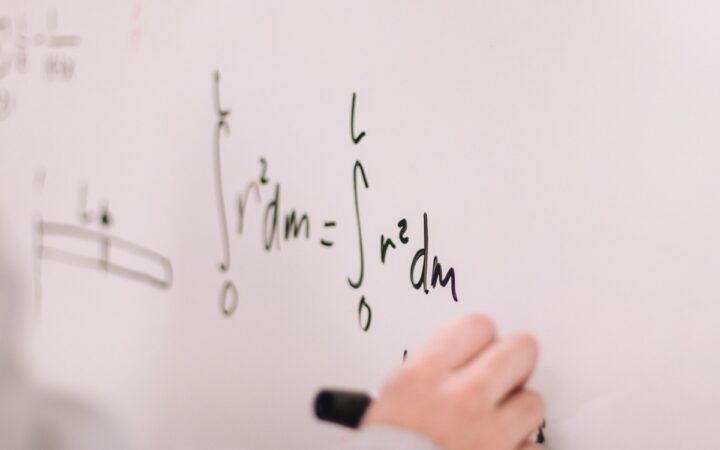
OpenAI’s mass mathematics release sparks a debate over research, proof verification and Terence Tao’s vision for “Math 2.0.”
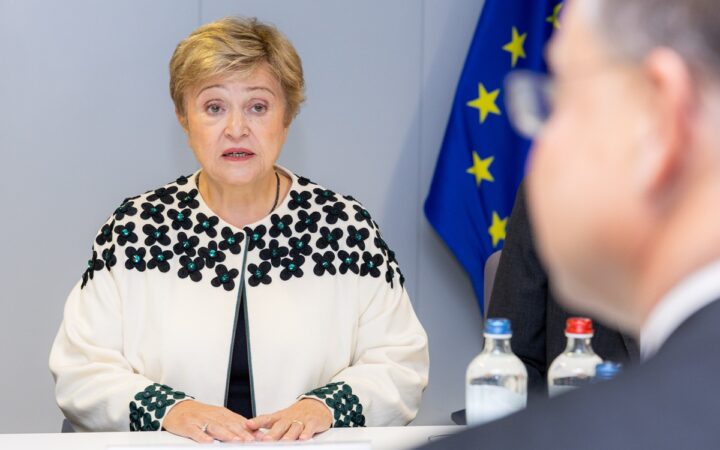
Kristalina Georgieva warns AI could reshape 40% of jobs worldwide, with young graduates facing pressure as routine entry-level work is automated.
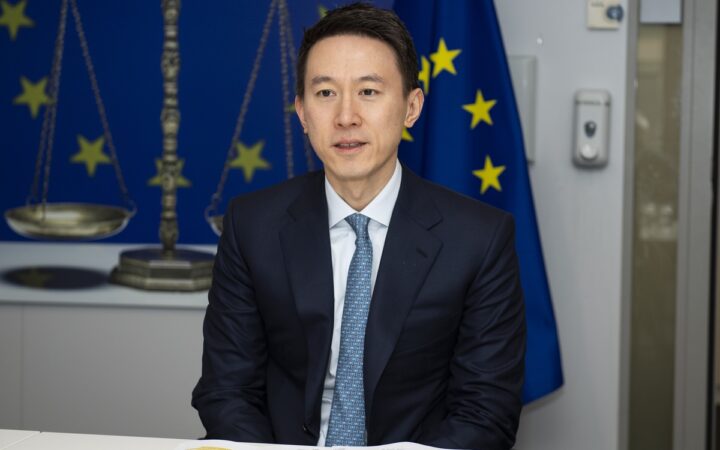
Shou Zi Chew expects AI breakthroughs in science within two to three years. ByteDance’s Protenix research shows progress, while verification and agent safety remain key.