China’s OpenAI Rivals Reveal IPO Economics
Chinese generative AI startups MiniMax and Zhipu AI have disclosed their financials ahead of potential Hong Kong listings, highlighting modest revenues and mounting losses compared with U.S. peers.
Negative prompting tells a generative model which elements, styles, or defects should be avoided in an output. It is especially common in image generation, where a user may exclude text artifacts, particular colors, duplicate objects, or unwanted visual traits. The system uses that signal alongside the main prompt during generation, although different models interpret negative prompts in different ways. Long exclusion lists can conflict with positive instructions or introduce unexpected associations. Negative prompting is a steering technique rather than a safety guarantee: it cannot reliably block every prohibited result or correct limitations in training data. Effective use requires concise terms, model-specific testing, seed comparisons, and other content controls where consequences matter.
Chinese generative AI startups MiniMax and Zhipu AI have disclosed their financials ahead of potential Hong Kong listings, highlighting modest revenues and mounting losses compared with U.S. peers.
Amazon is reportedly in early talks to invest up to $10 billion in OpenAI in a deal tied to the use of its AI chips. The discussions reflect a broader trend of circular partnerships shaping the AI infrastructure market.
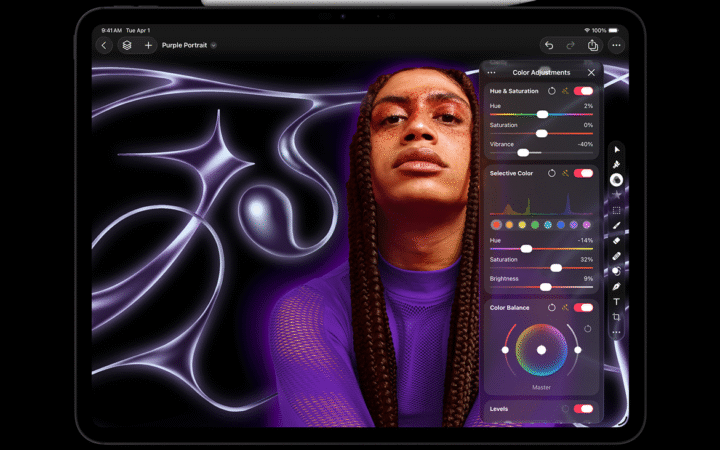
Adobe’s Firefly app adds a new video editor supporting precise prompt-based edits, along with integration of third-party models including Black Forest Labs’ FLUX.2 and Topaz Astra for enhanced video and image generation.
OpenAI has released GPT-5.2, a new model series designed to improve professional knowledge work with major gains in reasoning, coding, long-context analysis, and vision. The update brings enhanced performance to ChatGPT and the API across Instant, Thinking, and Pro variants.
Disney and OpenAI announced a three-year licensing deal allowing Sora to generate fan-inspired short videos featuring over 200 Disney, Marvel, Pixar, and Star Wars characters.
Google introduced the Titans architecture and the MIRAS framework to enable AI models to handle massive contexts and update their internal memory while running, improving performance in long-sequence tasks.
ChatGPT now reaches more than 800 million weekly users, creating a powerful adoption flywheel that is speeding the transition from AI experimentation to full-scale enterprise deployment, according to OpenAI’s new 2025 report.
Amazon’s AI shopping assistant Rufus saw a sharp spike in Black Friday usage, fueling significantly higher purchase-conversion rates compared with non-AI sessions, according to new data from Sensor Tower and Adobe Analytics.
Amazon employees demand ethical AI practices, warning that the company’s fast-paced AI rollout risks worker safety, democratic oversight, and environmental sustainability.
Nvidia reported strong third quarter results driven by soaring demand for its data center GPUs and Blackwell architecture. The company raised its outlook as AI infrastructure spending accelerates.