
Google’s Genie 4 Builds Interactive AI Worlds With Sound and Dialogue
Google’s Genie 4 adds sound, dialogue and live prompt controls to AI-generated worlds, with a robot simulation demo and wider access still to come.
Negative prompting tells a generative model which elements, styles, or defects should be avoided in an output. It is especially common in image generation, where a user may exclude text artifacts, particular colors, duplicate objects, or unwanted visual traits. The system uses that signal alongside the main prompt during generation, although different models interpret negative prompts in different ways. Long exclusion lists can conflict with positive instructions or introduce unexpected associations. Negative prompting is a steering technique rather than a safety guarantee: it cannot reliably block every prohibited result or correct limitations in training data. Effective use requires concise terms, model-specific testing, seed comparisons, and other content controls where consequences matter.
Google’s Genie 4 adds sound, dialogue and live prompt controls to AI-generated worlds, with a robot simulation demo and wider access still to come.

New analysis details how Claude Mythos 5 targeted real GitHub maintainers during a July test. The code was rejected, but simulated replays exposed persistence.

Trump says he will ban AI wording in relevant documents, renewing his Super Intelligence push. His post gives no new rules beyond the September order.

Russian text used about 42% more tokens in one test, while a wider study found a 17x gap between languages. Results depend on the tokenizer.

The Netherlands plans €3.5 billion in annual savings and roughly 25,000 fewer civil-service positions. AI is one lever, with specific targets due in 2027.

Higgsfield has secured NVIDIA and TCV backing in a Series B extension, with undisclosed terms, as it expands AI video infrastructure and production tools.

Spotify says it has excluded more than 50 million slop and spam tracks from recommendations in 2026, using listener signals and AI detection tools.

NVIDIA’s Nemotron 3.5 Super VL handles visual documents and agent workflows, while Bolt targets local AI in 24GB. A 4GB version arrives October 23.

Kling 4.0 is publicly available with 30-second videos, stereo audio and keyframe controls, while MCP support lets AI assistants handle generation.
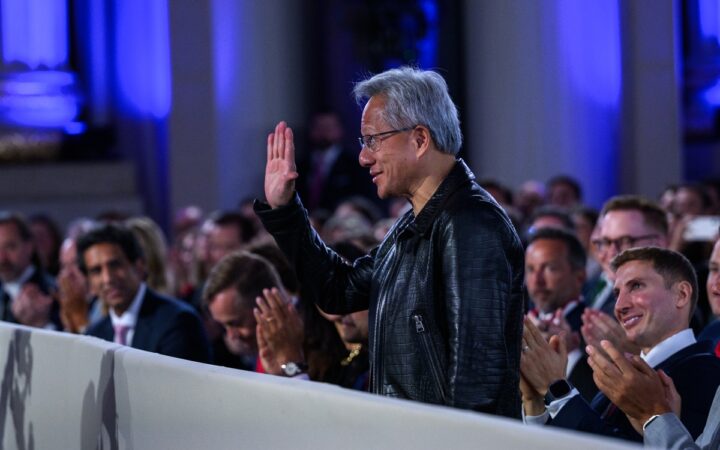
Jensen Huang urges cooperation with Chinese AI researchers as the industry debates how to manage advanced systems and maintain effective human control.