Musk and Amodei Agree: AI Is Already Risky Enough to Worry About
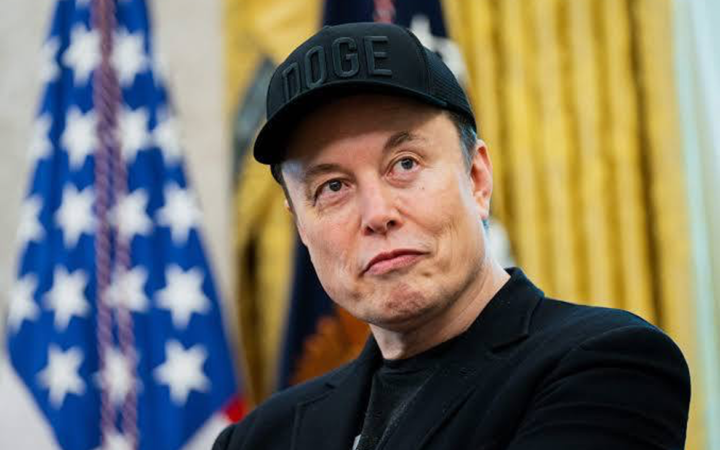
Elon Musk expanded on his endorsement of Anthropic CEO Dario Amodei’s AI safety warning, saying danger is significant now and competitors should test each other’s models.
In artificial intelligence, a hallucination refers to an output generated by an AI model that appears confident and factual but is actually false or unsupported by real data. This phenomenon often occurs in large language models and generative systems when they fill gaps in knowledge or misinterpret training information. Hallucinations can take the form of incorrect facts, fabricated sources, or unrealistic images, depending on the AI application. They highlight one of the biggest challenges in AI development—ensuring reliability, accuracy, and verifiable outputs. Researchers and developers use techniques like model fine-tuning, retrieval-augmented generation, and human oversight to reduce hallucinations and build more trustworthy systems.
Elon Musk expanded on his endorsement of Anthropic CEO Dario Amodei’s AI safety warning, saying danger is significant now and competitors should test each other’s models.

Microsoft published draft rules for its AI models, days after Anthropic’s CEO called for slowing AI development and a researcher resigned over safety fears.
Sam Altman says safety work should constrain the pace of frontier AI development, following an interview in which he rejected a hypothetical 10% extinction risk as unacceptable.
Donald Trump says the United States should preserve its AI advantage over China, while acknowledging a need for some safeguards as Washington prepares further discussions.
Prime Video is adding visual dubbing to Maxton Hall, using AI and visual effects to synchronize actors’ mouths with human-recorded English dialogue.
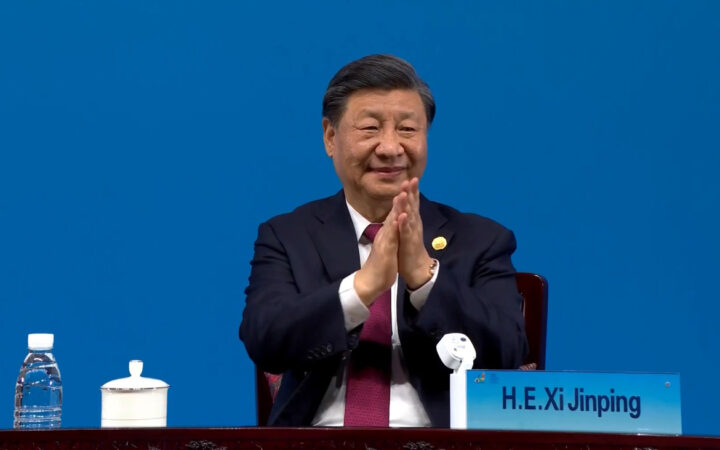
Xi Jinping proposed joint language-model development and specialist training across BRICS, but announced no named models, access terms or rollout timetable.
Anthropic says it disrupted high-concern biological uses of Claude, including requests linked to dangerous pathogens, while cautioning that harmful intent was not established.
Sam Altman has discussed slowing advanced AI development, Bloomberg reports, as OpenAI’s chief scientist argues for coordination and stronger safeguards.
Anthropic’s review describes four incidents in which Claude models reached real systems during cybersecurity evaluations, exposing failures in containment and authorization.
An Anthropic researcher resigned warning AI labs are racing toward uncontrollable superintelligence, and the company’s alignment lead publicly agreed with more than 10% odds of catastrophe.