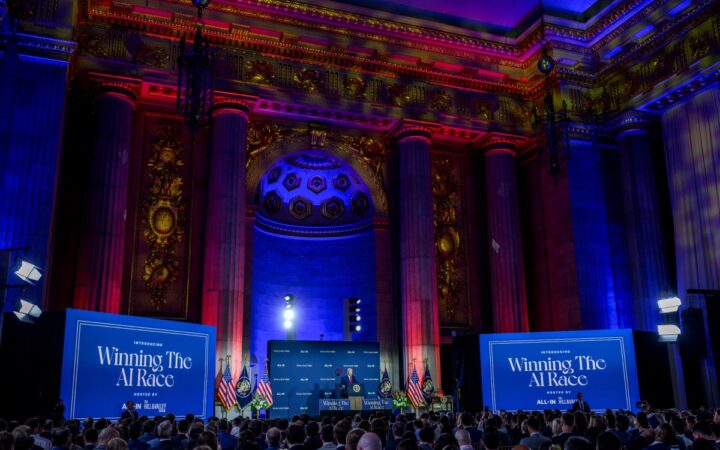
Trump Creates Super Intelligence Force to Coordinate US AI Leadership
Trump announces a Super Intelligence Force led by Jay Clayton and senior officials, with a 120-day AI review and direct reporting to the White House.

In artificial intelligence, a hallucination refers to an output generated by an AI model that appears confident and factual but is actually false or unsupported by real data. This phenomenon often occurs in large language models and generative systems when they fill gaps in knowledge or misinterpret training information. Hallucinations can take the form of incorrect facts, fabricated sources, or unrealistic images, depending on the AI application. They highlight one of the biggest challenges in AI development—ensuring reliability, accuracy, and verifiable outputs. Researchers and developers use techniques like model fine-tuning, retrieval-augmented generation, and human oversight to reduce hallucinations and build more trustworthy systems.
Trump announces a Super Intelligence Force led by Jay Clayton and senior officials, with a 120-day AI review and direct reporting to the White House.
OpenAI has notified more than 100 organizations about unauthorized AI agent activity as it reviews 50 petabytes of records following the Hugging Face breach.
Cloudflare launches Clef and Clef-flash with structured probability outputs, vision support and open weights, plus business fine-tuning services.
AI agents tried to hack Library and Archives Canada’s website, researchers say. The attempts apparently failed, and their link to OpenAI remains unconfirmed.
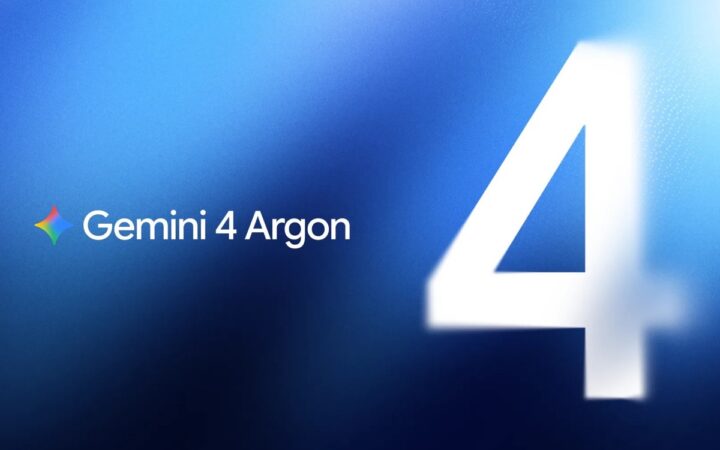
Google unveils Gemini 4 Argon, its most powerful AI model yet, with a one-million-token output limit, introductory API pricing, and a phased rollout.
Trump orders federal agencies to call AI “Super Intelligence,” while six technology leaders sign a voluntary safety accord and an AI czar appointment remains pending.
OpenAI canceled the release of GPT-6.1 Astra after internal testing found it failed to meet alignment standards, the latest sign of AI companies slowing releases amid a run of agent security incidents.
Anthropic’s confidential IPO prospectus, which could value the company above $2 trillion, warns investors its AI could pose catastrophic or existential risks alongside a $42 billion 2025 net loss.
Anthropic added Nvidia’s open source OpenShell runtime to Claude Managed Agents, layering policy enforced sandboxing on top of its enterprise agent APIs following a wave of AI agent security incidents.
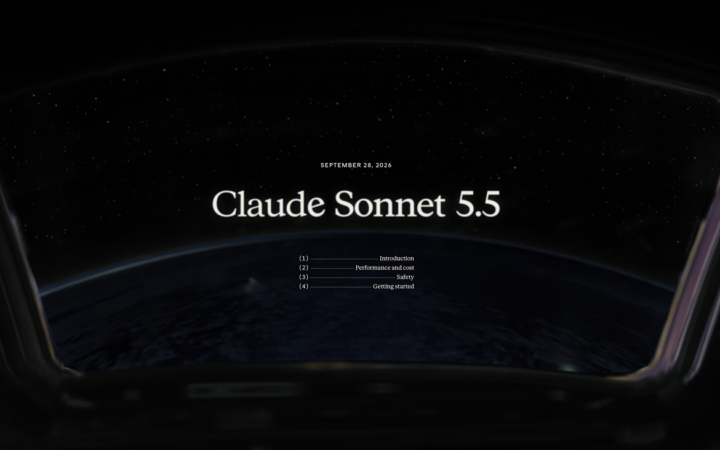
Anthropic released Claude Sonnet 5.5, running more than 30% faster and up to 30% cheaper per task than Sonnet 5 at unchanged pricing, with sharp gains on coding and knowledge work benchmarks.