Anthropic May Require Some Claude Users to Verify Their Identity
A new Anthropic privacy policy taking effect July 8 lets the company ask some flagged Claude users to upload government IDs and submit biometric selfies.
Guardrails in artificial intelligence refer to the safety measures, policies, and technical constraints designed to ensure AI systems behave responsibly and within defined ethical or operational boundaries. They can include content filters, access controls, human oversight mechanisms, and model alignment techniques that prevent harmful or unintended outputs. In large language models and generative AI, guardrails help maintain factual accuracy, prevent bias, and reduce the risk of misuse. Building effective guardrails is essential for balancing innovation with accountability, ensuring AI remains trustworthy and aligned with human values. As AI becomes more autonomous, these safeguards play a crucial role in maintaining transparency, fairness, and safety across applications.
A new Anthropic privacy policy taking effect July 8 lets the company ask some flagged Claude users to upload government IDs and submit biometric selfies.
Anthropic has disabled Claude Fable 5 and Claude Mythos 5 globally after a U.S. government export-control directive restricted access to the models for foreign nationals, prompting the company to challenge the decision publicly.
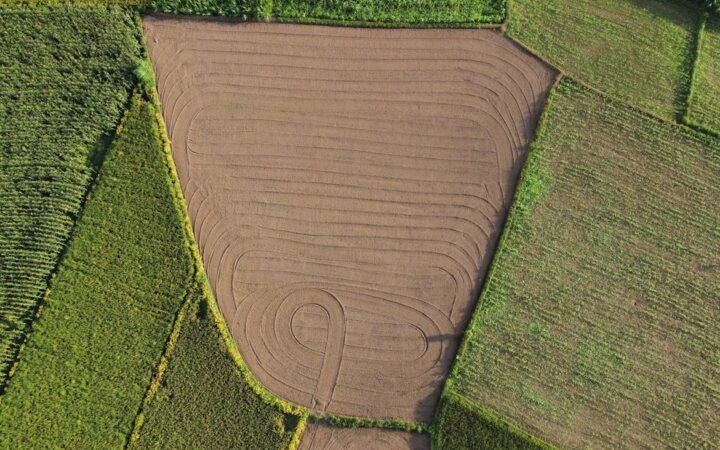
OneSoil has partnered with Rainbow Weather to bring hyperlocal AI-powered rainfall forecasting to farmers worldwide, helping improve field operations and reduce weather-related losses.
An enterprise company reportedly spent $500 million on Anthropic’s Claude in a single month after failing to implement usage controls.

Anthropic co-founder Chris Olah told the Vatican that AI development cannot be left solely to technology companies, warning about commercial incentives, labor disruption, and the growing complexity of frontier AI systems.

Anthropic says its unreleased Mythos AI model has identified more than 10,000 high- and critical-severity software vulnerabilities as part of Project Glasswing, a cybersecurity initiative focused on protecting critical infrastructure and open-source software.
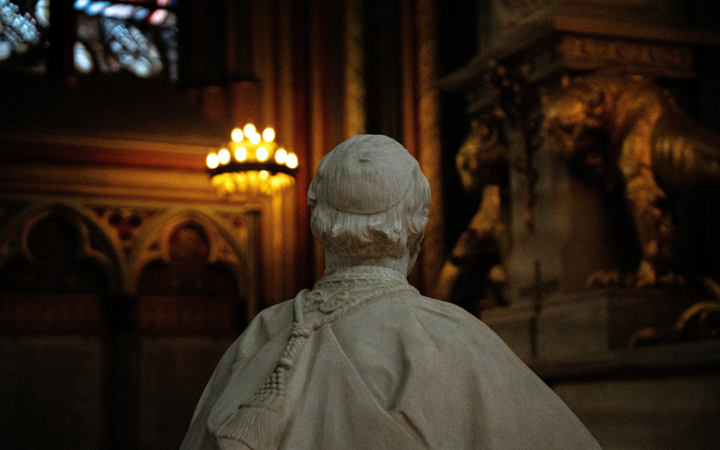
Pope Leo has called for stronger global oversight of artificial intelligence, warning that unchecked AI development could fuel misinformation, labor disruption, surveillance, and autonomous warfare.

Anthropic co-founder Chris Olah warned that AI development cannot be left solely to technology companies and called for greater oversight from governments, religious institutions, and civil society.
OpenAI has renewed calls for an international AI oversight body modeled after the IAEA ahead of the Trump-Xi summit in Beijing. The proposal would place the U.S. at the center of global AI governance while including China in cross-border safety coordination.

Meta is expanding its AI-driven age detection systems and Teen Account protections across Instagram and Facebook to better identify underage users and enforce safety measures. The move broadens geographic coverage and adds new visual analysis tools.