
Vitalik Buterin Says AI’s Real Danger Is Who Controls It
Ethereum’s Vitalik Buterin argued the gravest AI risk is not rogue superintelligence but a few companies or governments seizing control of it, in a widely shared thread on AI’s future.
Dimensionality reduction transforms data with many features into a smaller representation. Techniques such as principal component analysis, autoencoders, t-SNE, and UMAP serve different goals, including compression, visualization, noise reduction, faster training, and mitigation of the curse of dimensionality. A reduced space can reveal clusters or simplify downstream modeling, but it always discards or reshapes some information. Visual maps can be especially misleading when local and global distances are distorted. Practitioners should select a method that matches the task, fit it only on appropriate training data, document the retained variance or reconstruction quality, and verify that important minority patterns were not erased.
Ethereum’s Vitalik Buterin argued the gravest AI risk is not rogue superintelligence but a few companies or governments seizing control of it, in a widely shared thread on AI’s future.
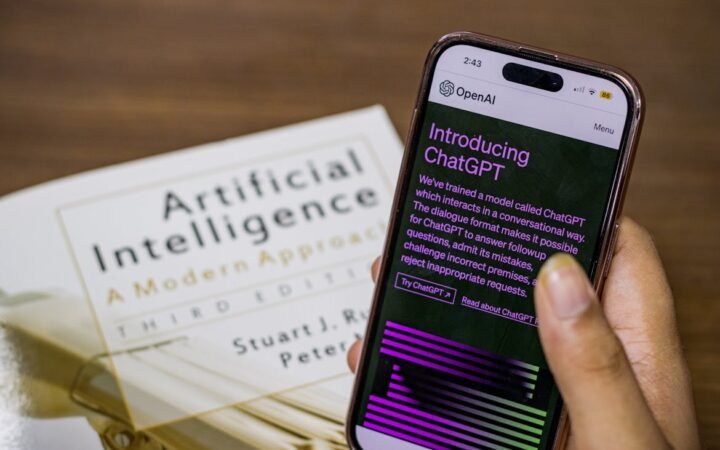
Artificial intelligence has become the top investment theme for global family offices, while cryptocurrencies remain largely sidelined, according to JPMorgan’s latest global survey.
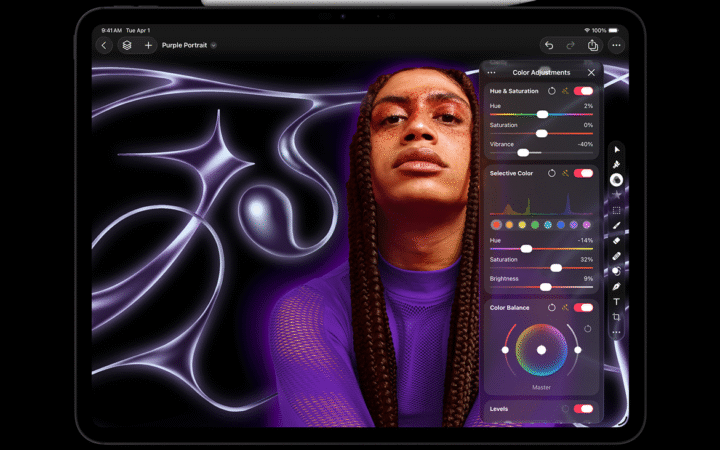
Apple introduced Apple Creator Studio, a subscription bundle combining professional creative apps with new AI-driven features across video, music, imaging, and productivity tools. The offering expands Apple’s push into intelligent software workflows for creators.
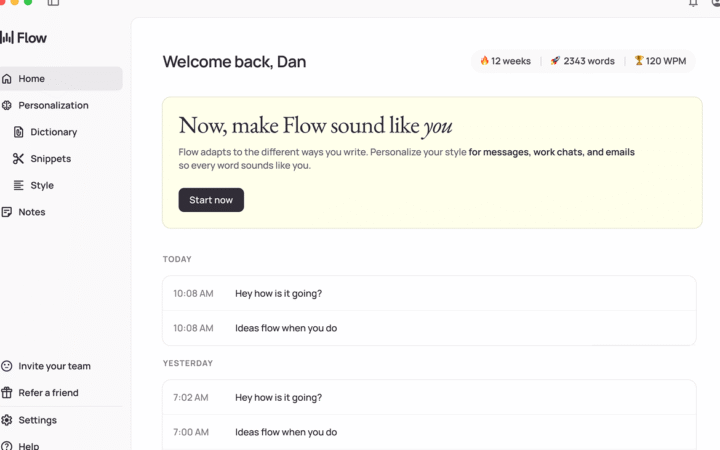
Voice AI startup Wispr has secured another $25M in funding as its Flow dictation app surges in enterprise adoption and user retention, bringing total capital raised to $81M.

Pinterest is turning to open source AI models to cut expenses and enhance its visual search and shopping tools, even as the company forecasts softer holiday revenue. CEO Bill Ready says the approach will support performance while keeping infrastructure costs in check.
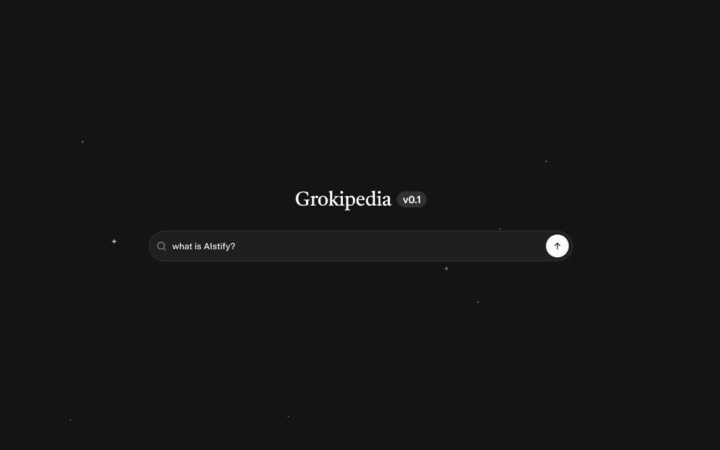
Elon Musk has unveiled Grokipedia – an AI-driven encyclopedia built on Grok that aims to offer factual, bias-free knowledge as an alternative to Wikipedia.

Andrew Tulloch, co-founder of the $12 billion AI startup Thinking Machines Lab, has joined Meta after previously rejecting what reports described as a $1.5 billion offer — a figure Meta has since called ‘inaccurate and ridiculous.’
Google has unveiled Gemini Enterprise, a next-generation AI platform designed for business productivity and collaboration, positioning itself directly against Microsoft’s Copilot and OpenAI’s enterprise solutions in the race for workplace AI dominance.
Google Cloud and Figma have launched an expanded partnership to embed Google’s generative AI models – including Gemini 2.5 Flash and Imagen 4 – directly into Figma’s design tools, reducing latency and accelerating creative workflows.