Meta to Build Its First Canadian Data Center in Alberta
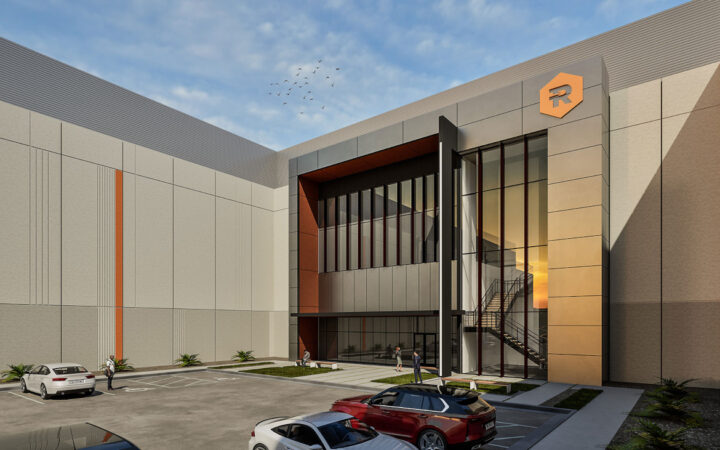
Meta will build its first Canadian data center, a 1-gigawatt AI facility in Alberta costing about C$13 billion, powered largely by a dedicated natural gas plant.
Big Data refers to extremely large and complex datasets that are difficult to manage, process, and analyze using traditional data tools. It encompasses information collected from diverse sources such as social media, sensors, mobile devices, and online transactions, often generated in real time. In artificial intelligence, Big Data serves as the foundation for training machine learning models, improving accuracy, and uncovering insights that drive smarter decisions. The concept is typically defined by the “three Vs”: volume, velocity, and variety – representing the size, speed, and diversity of data. Modern AI systems rely on Big Data technologies and frameworks like Hadoop and Spark to store, process, and interpret this vast information efficiently.
Meta will build its first Canadian data center, a 1-gigawatt AI facility in Alberta costing about C$13 billion, powered largely by a dedicated natural gas plant.
Apple expanded its partnership with Broadcom in a multi-year deal worth more than $30 billion, its largest US manufacturing commitment, to produce over 15 billion American-made chips.
Elon Musk’s xAI has rebranded to SpaceXAI, folding its Grok chatbot and X into SpaceX and signaling that AI, not rockets, is now central to the space company’s strategy.
Microsoft cut about 4,800 jobs, roughly 2.1% of its workforce, hitting Xbox and commercial sales hardest, the latest tech layoffs to intensify fears about AI and work.
Meta quietly released Pocket, an app that lets people build small interactive games from text prompts and share them in a TikTok-style feed, built on its Gizmo acquisition.
Mark Zuckerberg told employees that Meta’s AI agents have progressed slower than expected and its restructuring was “not as clean” as planned, a rare admission amid huge AI spending.
Microsoft is investing $2.5 billion in Frontier, a new unit that will embed 6,000 engineers with customers to help them adopt AI, joining a wider industry race into hands-on deployment.
OpenAI has proposed handing the US government a roughly 5% stake, worth about $43 billion, to seed a public wealth fund and ease mounting political pressure in Washington.
A new study of 22,000 US firms found that the heaviest AI spenders grew headcount faster than peers, including entry-level roles, complicating fears of an AI jobs apocalypse.
As Washington limits Anthropic’s and OpenAI’s top models on security grounds, critics warn the restrictions are handing momentum to Chinese open-weight rivals like GLM-5.2.