
Google DeepMind Maps Every Possible Human Genome Mutation
Google DeepMind released AlphaGenome Atlas, precomputed AI predictions for all 9 billion possible single-letter DNA mutations in the human genome.
Big Data refers to extremely large and complex datasets that are difficult to manage, process, and analyze using traditional data tools. It encompasses information collected from diverse sources such as social media, sensors, mobile devices, and online transactions, often generated in real time. In artificial intelligence, Big Data serves as the foundation for training machine learning models, improving accuracy, and uncovering insights that drive smarter decisions. The concept is typically defined by the “three Vs”: volume, velocity, and variety – representing the size, speed, and diversity of data. Modern AI systems rely on Big Data technologies and frameworks like Hadoop and Spark to store, process, and interpret this vast information efficiently.
Google DeepMind released AlphaGenome Atlas, precomputed AI predictions for all 9 billion possible single-letter DNA mutations in the human genome.
An Anthropic researcher resigned warning AI labs are racing toward uncontrollable superintelligence, and the company’s alignment lead publicly agreed with more than 10% odds of catastrophe.
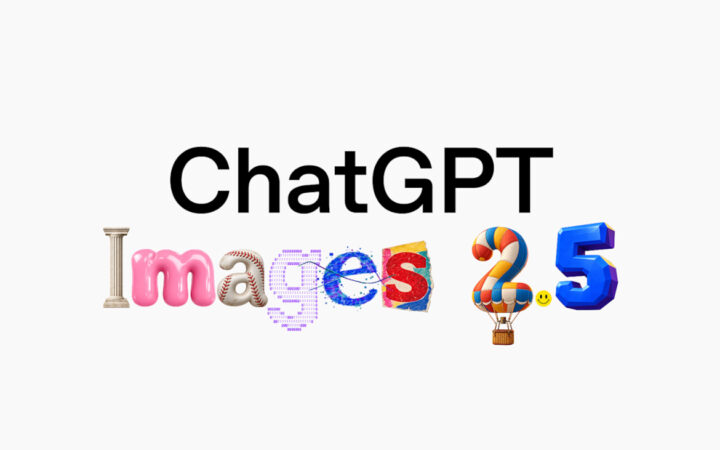
OpenAI has launched ChatGPT Images 2.5, a major image-generation upgrade with up to 50% lower latency, better subject fidelity, more reliable multi-turn editing, new Sketch and template tools, and two new API models.

Accenture and Google Cloud formed a dedicated Gemini Enterprise Business Group with a 1,000-engineer workforce, deepening a partnership already used by clients like YouTube.

Rentosertib, an AI-designed lung disease drug, showed signs of lowering biological age in a small trial analysis, though scientists caution the effect could reflect a treated lung, not slower aging.

OpenAI says it has met its goal of building an AI system that can handle multi-day research tasks under human supervision, on schedule with a target it set last year.
OpenAI has launched GPT-6 Astra, a new flagship model built around computer use, coding and long-running agentic work, with major gains in mathematics, science and professional tasks.
Nvidia officially agreed to buy Hugging Face for $12.93 billion, with CEO Jensen Huang pledging the open-source AI platform will stay open to all hardware and clouds.

OpenAI told lawmakers it’s developing automated shutdown capabilities for its AI systems, but a Democratic congressman says it still won’t share logs from the Hugging Face hack.
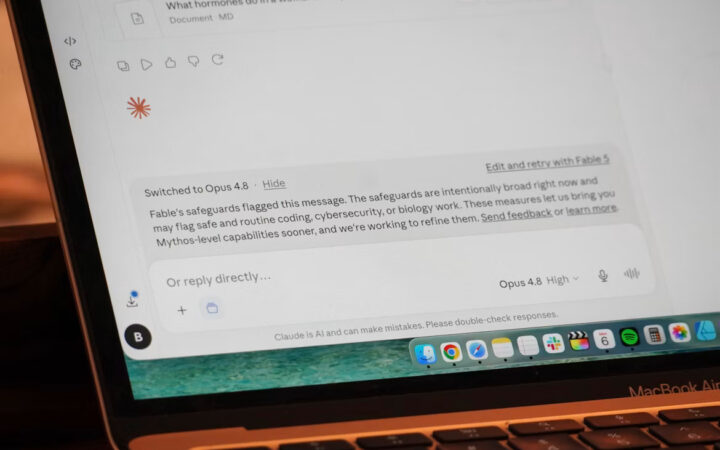
Anthropic has released Claude Fable 5.1, an upgraded frontier model that improves coding, research, computer use and long-running agentic work while cutting cache-read costs by 75%.