OpenAI Eyes Smartphone Where AI Agents Replace Apps
OpenAI is reportedly exploring a smartphone built around AI agents instead of traditional apps. The device could reshape how users interact with software and services.

Artificial Intelligence (AI) is the field of computer science focused on building machines and software capable of mimicking human cognitive processes. These include learning, reasoning, problem-solving, perception, and language understanding. AI encompasses a wide range of technologies, from rule-based systems and machine learning to advanced deep learning and generative models. It is applied in everyday tools such as voice assistants, recommendation systems, fraud detection, autonomous vehicles, and medical diagnostics. The goal of AI is to enable systems to make decisions, adapt to new information, and operate with varying degrees of autonomy.
OpenAI is reportedly exploring a smartphone built around AI agents instead of traditional apps. The device could reshape how users interact with software and services.
China’s top economic planner has ordered Meta to unwind its $2 billion acquisition of AI startup Manus. The decision underscores tightening controls on foreign access to Chinese AI technology.
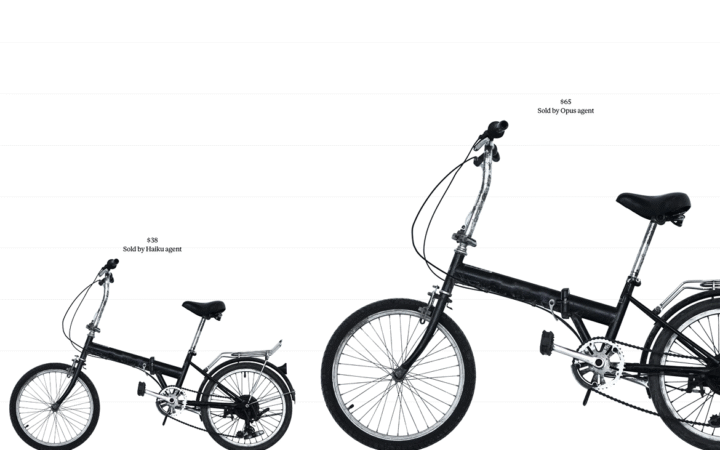
Anthropic ran an internal experiment where AI agents negotiated and closed real-world transactions between employees. The results show stronger models secure better deals, often without users noticing.
Google plans to invest up to $40 billion in Anthropic while expanding cloud and chip support. The deal underscores the growing importance of compute capacity in the AI race.
China plans to limit US investment in domestic AI companies without government approval following scrutiny of a major cross-border deal. The move signals tighter control over sensitive technologies.
NEC will deploy Anthropic’s Claude AI to 30,000 employees and co-develop industry-specific tools for Japan. The partnership targets regulated sectors and enterprise AI adoption.
Cohere plans to acquire Aleph Alpha and secure a $600 million investment to expand its footprint in Europe. The deal targets demand for sovereign AI in regulated industries.
OpenAI has launched GPT-5.5, a new flagship model designed for coding, computer use, knowledge work, and scientific research, with stronger performance, lower token usage, and broader real-world autonomy than GPT-5.4.
Microsoft will invest A$25 billion in Australia to expand cloud, AI, and cybersecurity capabilities while training millions of workers. The move strengthens the country’s position as a global AI infrastructure hub.
The White House has accused China of large-scale theft of U.S. AI intellectual property, citing coordinated campaigns targeting leading labs.