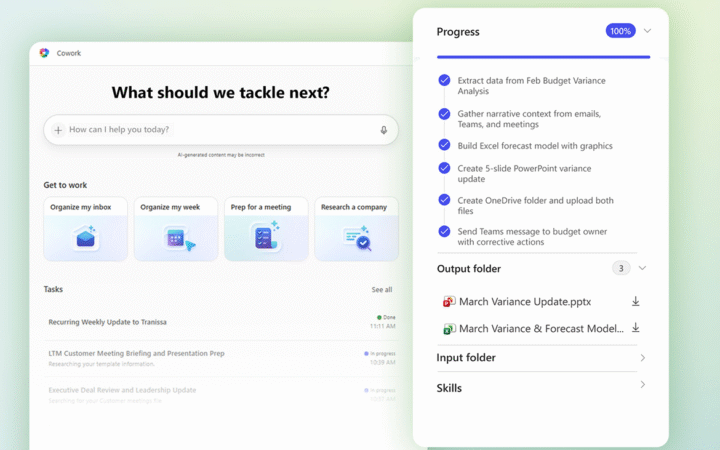
Microsoft Adds Multi-Model AI Workflows to Copilot
Microsoft has introduced multi-model capabilities in Copilot, allowing GPT and Claude to collaborate on responses to improve accuracy and reliability.
Agentic AI describes software that works toward an objective by deciding what to do next rather than waiting for a new instruction at every step. A typical agent interprets the goal, creates a plan, calls permitted tools, reviews the result, and adjusts when an action fails. This makes the approach useful for research, coding, customer operations, and other tasks that span several systems or decisions. Autonomy does not mean unlimited control: production agents should operate within explicit permissions, spending limits, data boundaries, and stopping rules. Logs and human approval checkpoints help teams trace decisions and intervene before an incorrect plan causes wider effects.
Microsoft has introduced multi-model capabilities in Copilot, allowing GPT and Claude to collaborate on responses to improve accuracy and reliability.
Anthropic has upgraded Claude with the ability to control a user’s computer and complete tasks autonomously. The move intensifies competition in the fast-growing AI agent market.
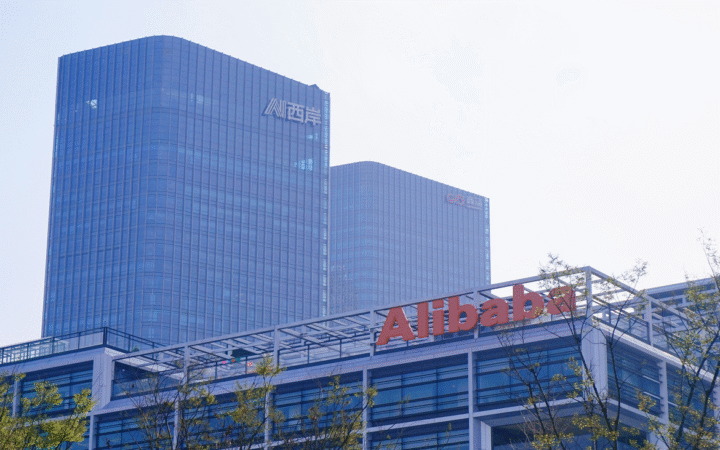
Alibaba has unveiled a new CPU designed for AI agents, focusing on inference and customizable workloads. The chip reflects China’s push to build domestic AI infrastructure.
Meta is developing an internal AI agent to assist CEO Mark Zuckerberg with decision-making and information access. The move reflects the company’s broader shift toward AI-driven operations.
Anthropic introduced Claude Code Channels, enabling developers to interact with AI agents via Telegram and Discord. The feature allows remote workflows and real-time event handling.
Nvidia CEO Jensen Huang proposed paying engineers with AI tokens to boost productivity through AI agents. The idea reflects a shift toward AI-driven workflows in tech hiring.
Meta has introduced a desktop version of Manus, enabling its AI agent to operate directly on users’ devices. The move intensifies competition in the fast-growing AI agent market.
Chinese AI stocks jumped after Nvidia CEO Jensen Huang praised OpenClaw as “the next ChatGPT,” boosting companies building agent-based AI systems.
Nvidia CEO Jensen Huang said demand for Blackwell and Vera Rubin systems could reach $1 trillion by 2027, as the company unveiled new chips, racks, and AI infrastructure at GTC.
Nebius has signed a long-term AI infrastructure agreement with Meta worth up to $27 billion, providing large-scale compute capacity powered by Nvidia’s Vera Rubin platform.