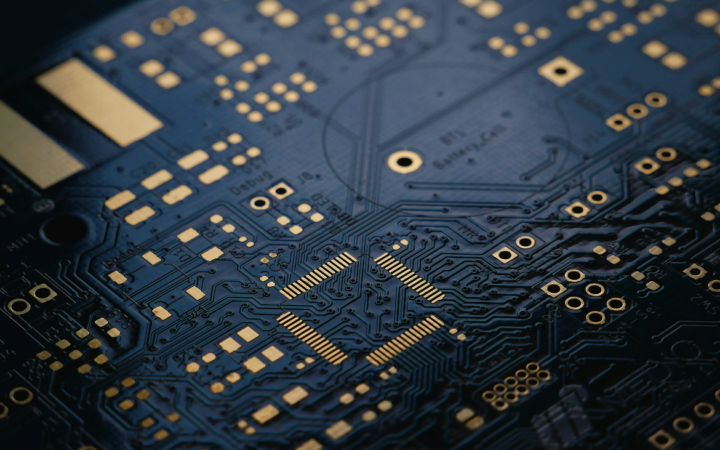
Micron Surpasses $1 Trillion Valuation as AI Memory Chip Demand Surges
Micron crossed a $1 trillion market valuation for the first time as booming demand for AI memory chips pushed shares to record highs amid the expanding AI infrastructure race.

Ablation is an experimental method used to determine which parts of an AI system actually contribute to its results. Researchers remove a feature, module, data source, training objective, or architectural component while keeping the rest of the setup as consistent as possible. A meaningful drop in performance suggests that the removed element was useful; little change may indicate redundancy or an overstated contribution. Ablation studies are common in machine learning papers and product experiments because headline accuracy alone cannot show why a system works. Reliable conclusions require repeated runs, comparable compute budgets, suitable metrics, and awareness that components may interact rather than contribute independently.
Micron crossed a $1 trillion market valuation for the first time as booming demand for AI memory chips pushed shares to record highs amid the expanding AI infrastructure race.

Google DeepMind says its new AlphaProof Nexus framework solved nine open Erdős problems using AI-guided formal verification, though CEO Demis Hassabis cautioned the system is still far from AGI.
OpenAI CEO Sam Altman said AI has not caused the large-scale white-collar job losses he once expected, adding that human interaction still plays a critical role in many professions.
Anthropic co-founder Chris Olah told the Vatican that AI development cannot be left solely to technology companies, warning about commercial incentives, labor disruption, and the growing complexity of frontier AI systems.
Ashton Kutcher’s venture firm Sound Ventures invested $30 million in OpenAI years ago. That stake could now be worth more than $2 billion if OpenAI goes public at a higher valuation.
Anthropic says its unreleased Mythos AI model has identified more than 10,000 high- and critical-severity software vulnerabilities as part of Project Glasswing, a cybersecurity initiative focused on protecting critical infrastructure and open-source software.
Pope Leo has called for stronger global oversight of artificial intelligence, warning that unchecked AI development could fuel misinformation, labor disruption, surveillance, and autonomous warfare.
AI startups are increasingly being accused of overstating annual recurring revenue by counting unsigned deployments, future contract value, and projected usage growth as current revenue.
Anthropic co-founder Chris Olah warned that AI development cannot be left solely to technology companies and called for greater oversight from governments, religious institutions, and civil society.
Microsoft has reportedly begun canceling many internal Claude Code licenses and shifting employees toward GitHub Copilot CLI as AI coding tool costs continue to rise across the tech industry.