ElevenLabs Launches Dubbing v2 Across 90+ Languages
ElevenLabs has introduced Dubbing v2, a new AI dubbing model that preserves a speaker’s tone, pacing, and emotional delivery across more than 90 languages.
Ablation is an experimental method used to determine which parts of an AI system actually contribute to its results. Researchers remove a feature, module, data source, training objective, or architectural component while keeping the rest of the setup as consistent as possible. A meaningful drop in performance suggests that the removed element was useful; little change may indicate redundancy or an overstated contribution. Ablation studies are common in machine learning papers and product experiments because headline accuracy alone cannot show why a system works. Reliable conclusions require repeated runs, comparable compute budgets, suitable metrics, and awareness that components may interact rather than contribute independently.
ElevenLabs has introduced Dubbing v2, a new AI dubbing model that preserves a speaker’s tone, pacing, and emotional delivery across more than 90 languages.
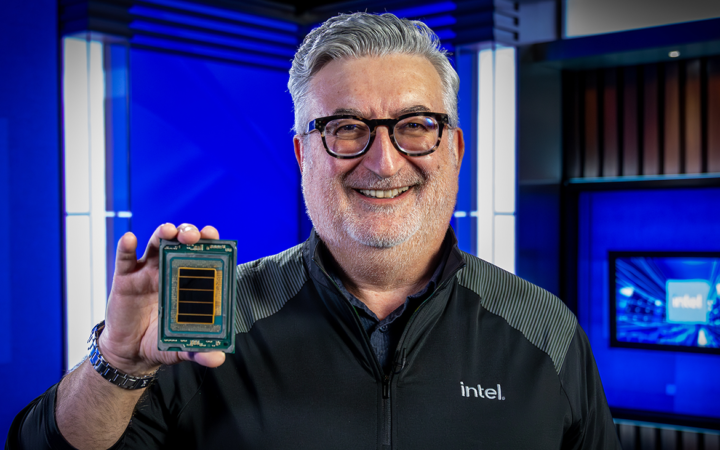
Intel has disclosed new details about Crescent Island, its next-generation AI accelerator designed for data centers and agentic AI workloads. The chip is expected to launch later this year as Intel seeks to compete more aggressively with Nvidia in the rapidly growing AI infrastructure market.
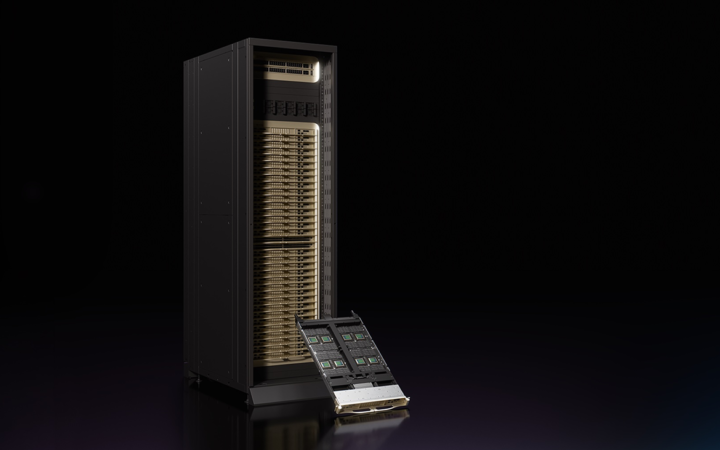
Nvidia has launched Vera, its first CPU designed specifically for AI agents and large-scale AI infrastructure. The processor promises up to 1.8 times faster performance than traditional x86 CPUs and will be adopted by major AI labs, cloud providers, and server manufacturers.
Nvidia has unveiled its first Arm-based PC processor, the RTX Spark superchip, which will power a new generation of Windows laptops and desktops.
OpenAI has launched the Rosalind Biodefense program and expanded access to its GPT-Rosalind model for trusted developers and government partners. The initiative aims to accelerate biodefense, pandemic preparedness, and public health research using advanced AI tools.
Nvidia has committed at least $6.5 billion to photonics companies in recent months as it seeks to overcome AI infrastructure bottlenecks. The investments target optical technologies that could reduce energy consumption and improve data transfer across future AI systems.
Anthropic has released Claude Opus 4.8, introducing performance improvements, stronger reliability, and new user controls. The launch also brings dynamic workflows for Claude Code and configurable effort levels across Claude applications.
Anthropic has raised a $65 billion Series H round at a $965 billion valuation, surpassing OpenAI to become Silicon Valley’s most valuable AI company.
An enterprise company reportedly spent $500 million on Anthropic’s Claude in a single month after failing to implement usage controls.
Apple is reportedly preparing a major AI overhaul for Siri that includes a standalone chatbot app and deeper integration across iOS. The update could position Siri as a direct competitor to ChatGPT, Gemini, and other AI assistants.