
Key Notes
- Consumer NAND spot prices have fallen roughly 20% since mid-to-late October as weak device shipments and supplier competition weigh on the market.
- Enterprise SSD contract prices are rising in the fourth quarter of 2026, supported by strong North American AI infrastructure demand.
- Bank of America forecasts lower consumer NAND contract prices in early 2027, but the timing and size of any retail savings remain uncertain.
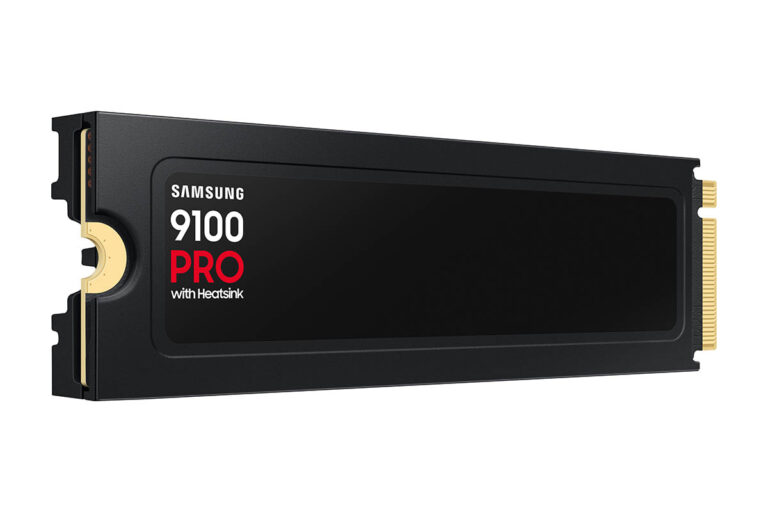
Consumer NAND flash prices have fallen roughly 20% since mid-to-late October, offering a possible reprieve for SSDs, smartphones and laptops after the AI boom helped drive up memory costs. Tom’s Hardware highlighted the decline on November 18, citing reporting by Seoul Economic Daily.
The change is in spot prices, the short-term wholesale market for flash used to store data. It has yet to establish a broad reduction in what consumers pay for finished drives or devices.
Meanwhile, demand from AI infrastructure continues to support enterprise storage prices. The emerging picture is a market pulling in different directions, with consumer electronics under pressure while data-center buyers keep spending.
Cheaper Chips Meet Weaker Device Demand
TrendForce reported 512-gigabit NAND quotes of $14.30, down 32% from the previous quarter, and 1-terabit products at $24.90, down 19%. Its account cites Bank of America figures reported by Seoul Economic Daily.
The units matter. These are NAND chip-density categories measured in bits, rather than prices for complete 512GB or 1TB SSDs. The 32% and 19% comparisons are quarterly declines, separate from the roughly 20% slide since October.
Device shipments show the strain on buyers. Gartner’s preliminary figures put worldwide PC shipments at 55.4 million in the third quarter of 2026, down 22.4% from a year earlier. The firm said higher component costs had reached PC prices, reducing affordability and the availability of cheaper configurations.
Counterpoint Research separately estimated a 20% year-over-year decline in global smartphone shipments in Q3, the weakest third quarter since 2012. It identified both memory-related supply constraints and higher device prices, with consumers holding on to phones longer and price-sensitive segments facing greater pressure.
Those findings point to more than a simple supply recovery. Expensive components have also made devices harder to sell, encouraging manufacturers to adjust their product ranges and purchasing plans.
AI Storage Remains on a Different Track
TrendForce’s October 30 enterprise storage assessment describes enterprise SSD contract prices climbing 15% to 20% in the fourth quarter of 2026. Its public summary says North American customers are raising order forecasts and accepting increases as suppliers struggle to adjust capacity quickly enough.
That demand is not uniform worldwide. The firm says Chinese buyers are resisting higher quotes amid tight GPU supply and a more limited contribution from AI revenue. It also warns that elevated prices and weaker demand outside North America could constrain further increases in 2027.
NAND is also distinct from DRAM, the working memory used while computers run software. The AI-driven pressure on DRAM that we reported earlier cannot be treated as the same price series as consumer flash. A cheaper storage chip does not establish that every part of a PC’s memory bill is falling.
Competition adds another influence on commodity NAND. Seoul Economic Daily reported that Chinese suppliers’ market-share gains and continued production on older lines are putting downward pressure on products used in general electronics, even as enterprise NAND demand remains strong.
When Could Buyers See Lower Prices?
Bank of America expects NAND prices for general IT applications to fall another 5% to 10% quarter over quarter in the first three months of 2027, according to Seoul Economic Daily’s account. TrendForce’s news summary describes the forecast as applying to PC and smartphone NAND contracts, while enterprise-grade products could hold steady or edge higher.
That forecast concerns component purchasing agreements. It does not promise a matching discount on an SSD, phone or laptop. Existing inventories, the timing of new production and manufacturers’ pricing decisions will affect when lower chip costs reach shops.
For buyers, the next test is whether weaker spot prices spread into contracts and then into finished products. Cheaper devices remain a possibility, with the timing and scale of any savings still unproven.
Disclaimer: AIstify is an independent media brand owned and operated by NuvexMedia LLC, publishing news, research, and insights on artificial intelligence, emerging technologies, automation, and related industries. NuvexMedia LLC invests in and collaborates with companies across the AI, technology, software, and digital innovation sectors. These relationships do not influence AIstify’s editorial coverage, and the publication maintains full editorial independence to provide accurate, timely, and objective information. © 2026 NuvexMedia LLC. All rights reserved. This content is for informational purposes only and should not be considered legal, tax, investment, financial, or other professional advice.