Kling launches Image 4.0 with native 8K output, coordinated image sets and expanded typography tools. Photo: Kling AI
Key Notes
Kling says Image 4.0 generates native 8K images and is available in Creative Studio and through its developer API.
Series Mode produces up to ten related images from one prompt, with reference images helping guide recurring characters and products.
The model supports up to 2,000 characters per image and more than 70 preset fonts, with platform controls for revising text and font styles.
Kling AI introduced Image 4.0 on November 18, bringing native 8K generation, longer text inside images and coordinated sets of up to ten pictures to its creative platform.
The model is live in Kling Creative Studio and available through the API for enterprises and developers. It extends the company’s still-image tools alongside its existing video generation offering.
Native 8K and a Series From One Prompt
Kling’s product page lists native 2K, 4K and 8K output options. The company says the higher-resolution tier preserves details in skin, hair, fabrics and other materials, giving creators more room for close-ups and cropping.
Series Mode can generate up to ten related images from one prompt, keeping characters, products and visual styling recognizable across different scenes or camera angles. Creators can also supply up to ten reference images to guide appearance, composition and product details.
For an advertising team, that offers a way to develop a campaign around one brief, rather than rebuilding every shot independently. The useful test is whether small details remain consistent across the whole set, especially faces, clothing, packaging and logos.
More Text, With Editing Controls
Image 4.0 supports up to 2,000 characters in a single picture and more than 70 preset commercially licensed fonts. A reference image can guide the lettering style, giving designers another way to specify typography beyond a written prompt.
Kling says users can revise text and font styles directly in images generated on its platform. It lists seven supported language options: Simplified Chinese, Traditional Chinese, English, Japanese, Korean, Spanish and Portuguese.
The model also produces long-form product graphics and webpage mockups, with layer-based editing for individual elements in those long-form images.
These controls matter because a convincing picture can still be unusable if a price, product name or line of copy is wrong. Higher resolution alone does not resolve those design requirements.
Official Image 4.0 Examples
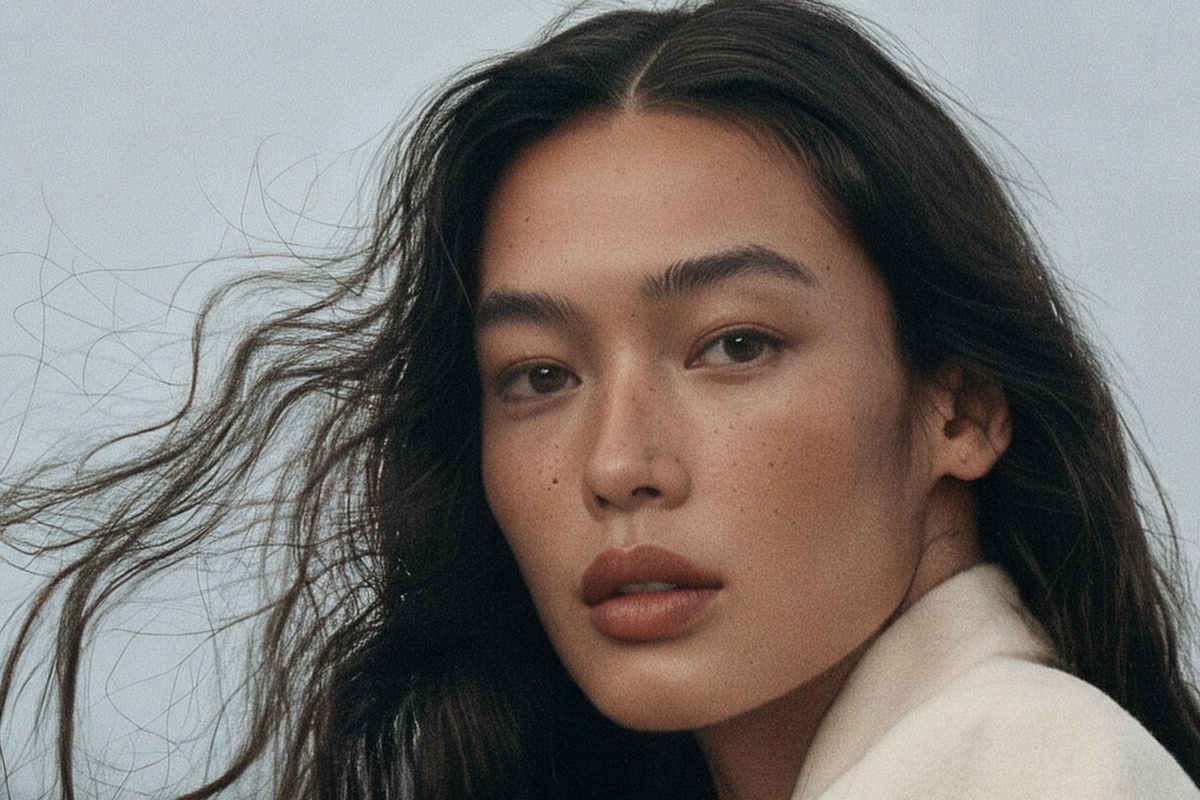
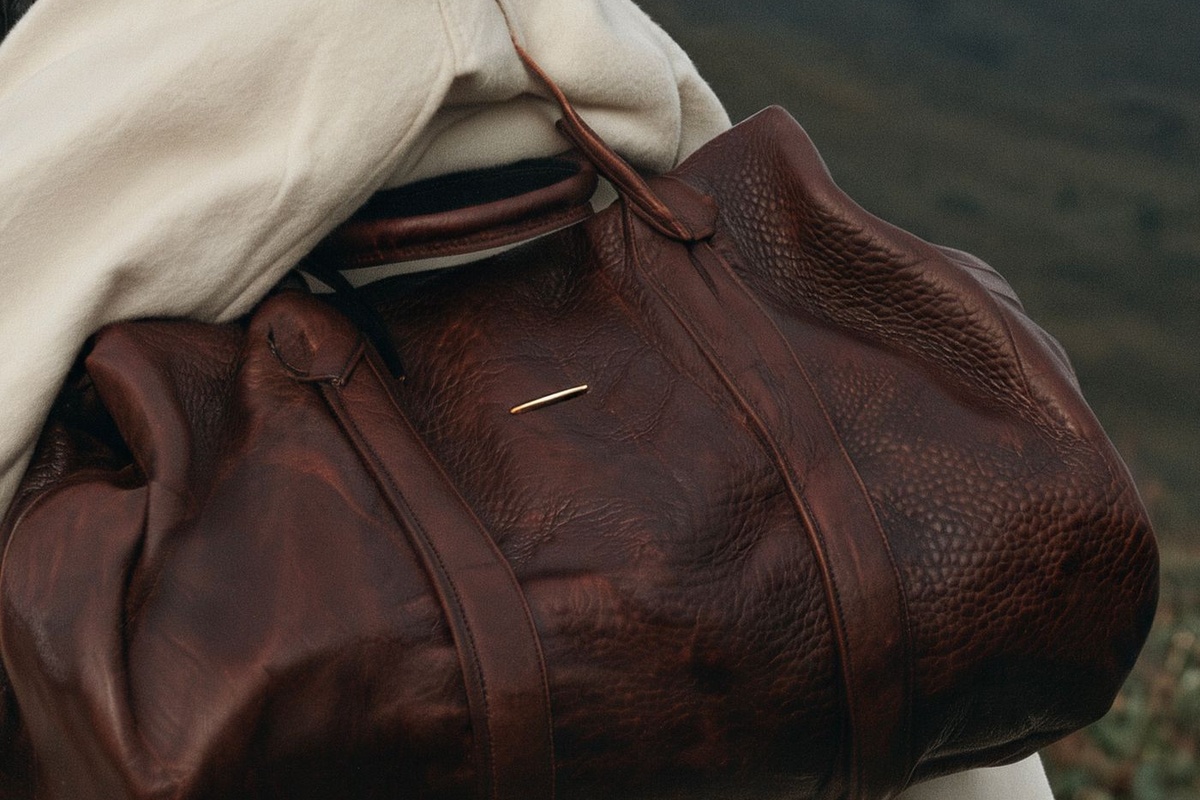
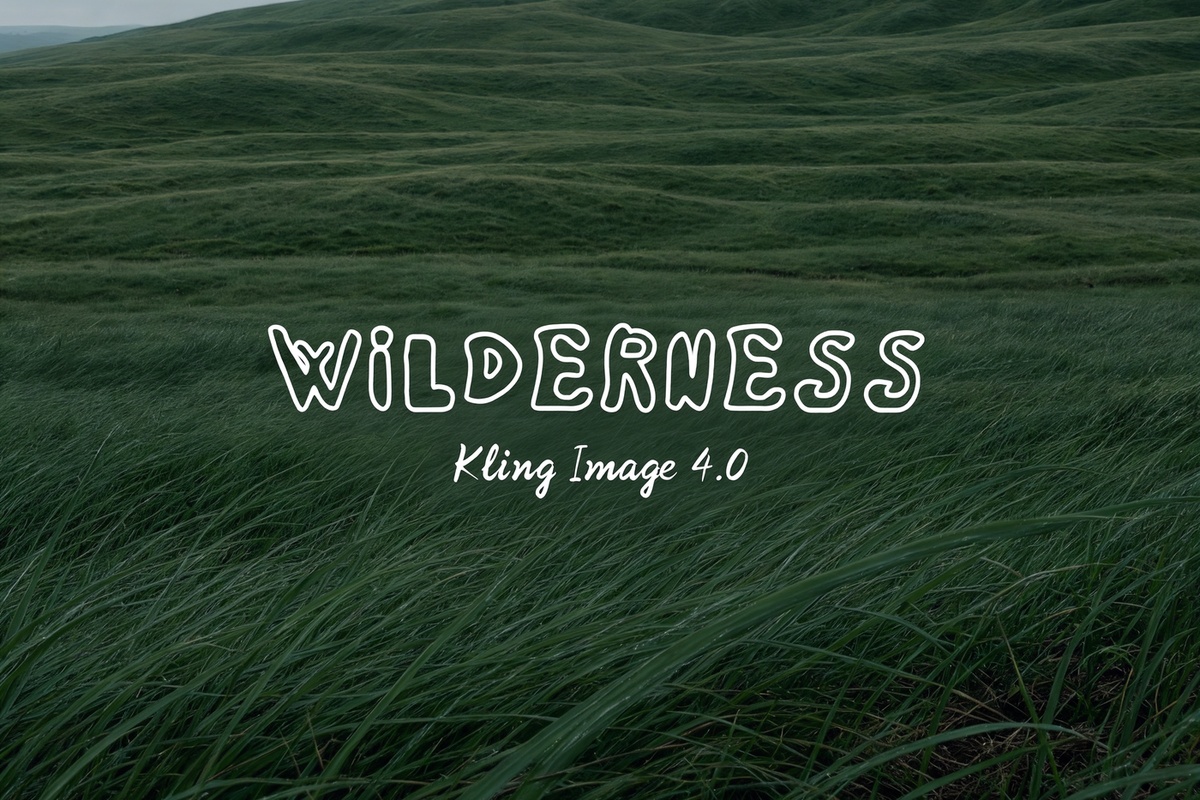
The gallery below uses AI-generated examples published by Kling, showing portrait detail, material texture and typography. They are vendor-selected demonstrations, rather than results from an independent AIstify test. Each has been cropped and resized to 1200×800 for publication; the original examples appear in Kling’s announcement.
Kling’s AI-generated examples emphasize skin and hair detail. Photo: Kling AI
Image 4.0’s AI-generated samples also highlight material textures. Photo: Kling AI
Kling demonstrates typography within its AI-generated images. Photo: Kling AI