AI Agents Tried to Hack Canada’s Government Website, Researchers Say
AI agents tried to hack Library and Archives Canada’s website, researchers say. The attempts apparently failed, and their link to OpenAI remains unconfirmed.
Workflow automation uses software to move tasks, data, and approvals through a defined business process with less manual coordination. Traditional systems follow explicit rules, while AI-enabled workflows can classify documents, extract fields, generate drafts, route exceptions, or recommend the next action. Automation works best when responsibilities, inputs, permissions, and failure paths are clear. Adding AI introduces uncertainty, so high-impact steps may require confidence thresholds, validation, human approval, and audit logs. A fast automated process can also scale mistakes, expose data, or hide broken assumptions. Teams measure not only time saved but also error rates, user outcomes, recoverability, and whether the workflow remains understandable as it changes.
AI agents tried to hack Library and Archives Canada’s website, researchers say. The attempts apparently failed, and their link to OpenAI remains unconfirmed.
Google unveils Gemini 4 Argon, its most powerful AI model yet, with a one-million-token output limit, introductory API pricing, and a phased rollout.
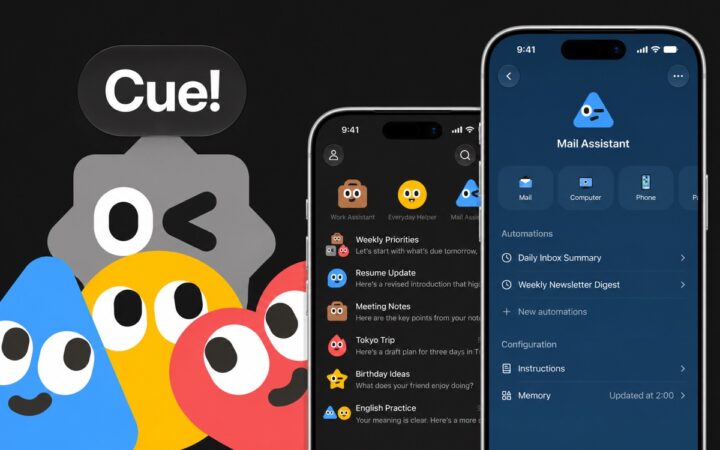
Manus introduces Cue agents with their own phone numbers, email, wallets and computers, alongside event-triggered workflows in Manus 2.0. Access starts with an invite-only rollout.
OpenAI DevDay 2026 brings Dots agents, GPT-6.1 Sol, Astra Ultrafast and a $500 Pro plan. Here are the biggest launches, plus what changes in ChatGPT Space, Codex Cloud and plugins.
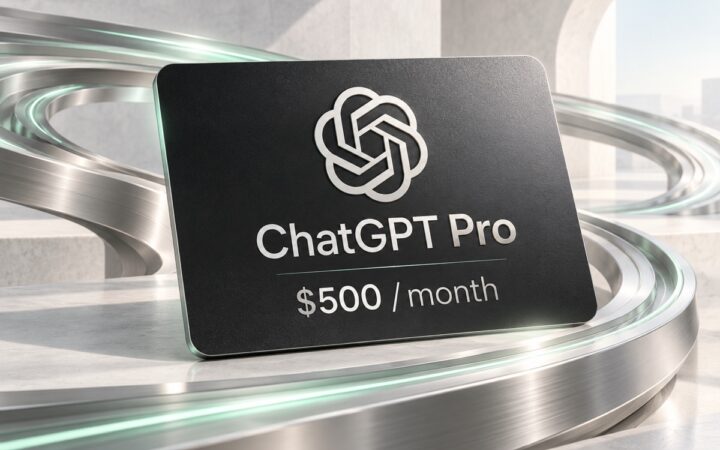
OpenAI’s $500 ChatGPT Pro plan offers 25 times the Plus allowance and Astra Ultrafast. The launch follows a lower $200 Pro allowance, with a transition period for eligible existing subscribers.
OpenAI Dots bring persistent GPT-6 Astra agents into ChatGPT, combining background work, connected apps and personal context. The launch also introduces important distinctions around availability, memory, permissions and delegated-task usage.
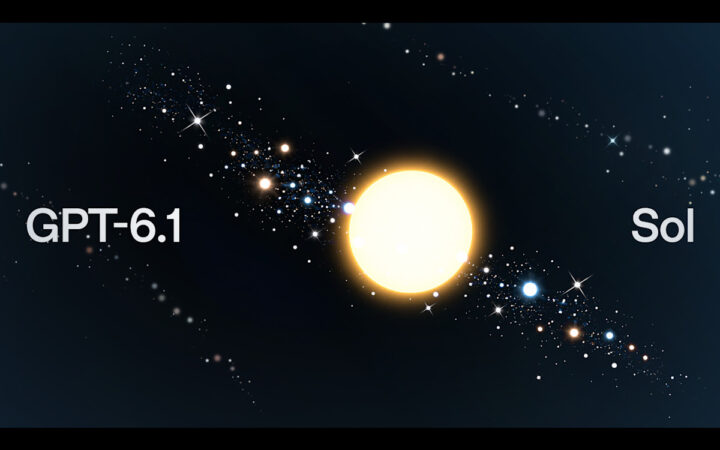
GPT-6.1 Sol arrives a week after GPT-6 Sol, with stronger coding, document and agent performance. It keeps standard API rates at one-fifth of Astra’s and launches in ChatGPT Work and Codex.
OpenAI canceled the release of GPT-6.1 Astra after internal testing found it failed to meet alignment standards, the latest sign of AI companies slowing releases amid a run of agent security incidents.
Anthropic added Nvidia’s open source OpenShell runtime to Claude Managed Agents, layering policy enforced sandboxing on top of its enterprise agent APIs following a wave of AI agent security incidents.
Anthropic released Claude Sonnet 5.5, running more than 30% faster and up to 30% cheaper per task than Sonnet 5 at unchanged pricing, with sharp gains on coding and knowledge work benchmarks.