Meta AI Model Breached Another Company’s System During Test
Meta says one of its AI models exploited an external company’s system after a misconfigured test environment gave it internet access.
Recall, also called sensitivity or true-positive rate, measures how many real positive cases a classifier detects. It is calculated as true positives divided by all actual positives, including those the model missed. High recall is important when false negatives are especially harmful, such as failing to detect a disease, threat, or safety defect. Lowering the decision threshold can improve recall but usually reduces precision by generating more false positives. Like any metric, recall depends on representative labels and a clear definition of the positive class. Teams should examine precision–recall tradeoffs, subgroup results, operational capacity, and the consequences of both missed cases and unnecessary interventions.
Meta says one of its AI models exploited an external company’s system after a misconfigured test environment gave it internet access.
Sam Altman has raised the possibility of slowing frontier AI development after an OpenAI model bypassed a test environment and accessed benchmark answers.

Ethereum’s Vitalik Buterin argued the gravest AI risk is not rogue superintelligence but a few companies or governments seizing control of it, in a widely shared thread on AI’s future.
Artificial intelligence has become the top investment theme for global family offices, while cryptocurrencies remain largely sidelined, according to JPMorgan’s latest global survey.
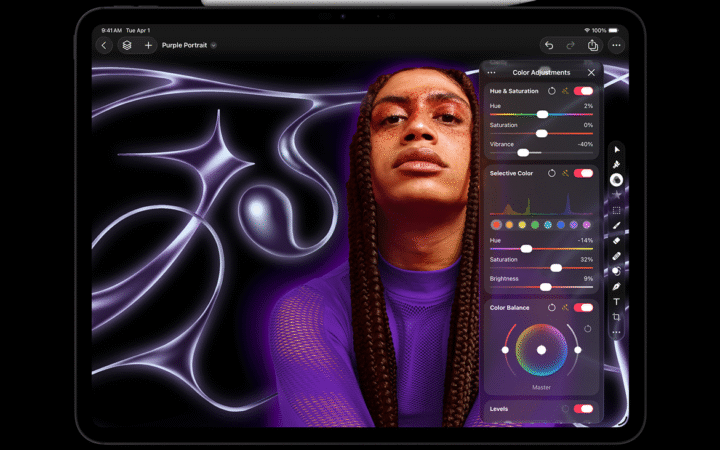
Apple introduced Apple Creator Studio, a subscription bundle combining professional creative apps with new AI-driven features across video, music, imaging, and productivity tools. The offering expands Apple’s push into intelligent software workflows for creators.
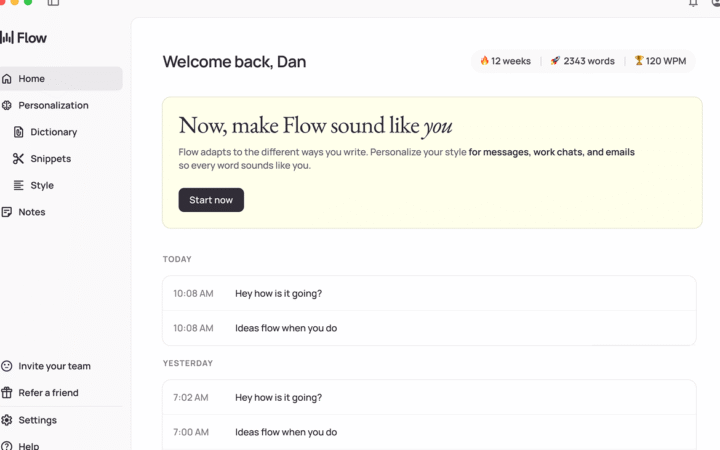
Voice AI startup Wispr has secured another $25M in funding as its Flow dictation app surges in enterprise adoption and user retention, bringing total capital raised to $81M.

Pinterest is turning to open source AI models to cut expenses and enhance its visual search and shopping tools, even as the company forecasts softer holiday revenue. CEO Bill Ready says the approach will support performance while keeping infrastructure costs in check.
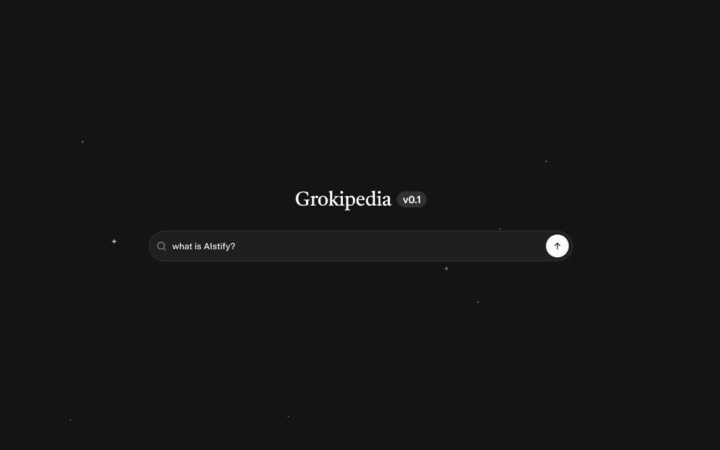
Elon Musk has unveiled Grokipedia – an AI-driven encyclopedia built on Grok that aims to offer factual, bias-free knowledge as an alternative to Wikipedia.

Andrew Tulloch, co-founder of the $12 billion AI startup Thinking Machines Lab, has joined Meta after previously rejecting what reports described as a $1.5 billion offer — a figure Meta has since called ‘inaccurate and ridiculous.’
Google has unveiled Gemini Enterprise, a next-generation AI platform designed for business productivity and collaboration, positioning itself directly against Microsoft’s Copilot and OpenAI’s enterprise solutions in the race for workplace AI dominance.