Apple Reportedly Developing AI Wearable
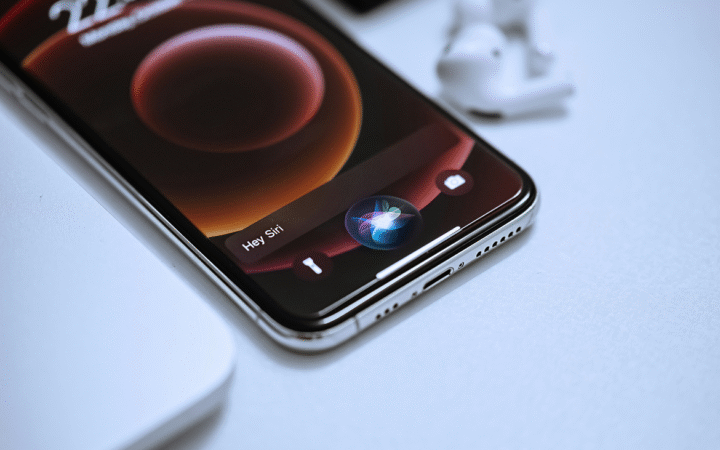
Apple is reportedly working on a pin-shaped AI wearable with cameras and microphones, potentially launching in 2027, signaling increased competition in the AI hardware space.
Instruction tuning adapts a pretrained model using examples that pair an instruction with an appropriate response. The training set may cover summarization, question answering, extraction, writing, refusal behavior, and many other tasks, helping the model respond more reliably to natural-language requests. Unlike learning one narrow capability, a diverse instruction collection aims to improve general task following. Quality matters more than simple volume because contradictory, unsafe, or poorly written examples can teach undesirable patterns. Evaluation should test unfamiliar instructions, factuality, formatting, and safety boundaries. Instruction tuning is often combined with preference training or other alignment methods, but it cannot guarantee that every future request will be understood correctly.
Apple is reportedly working on a pin-shaped AI wearable with cameras and microphones, potentially launching in 2027, signaling increased competition in the AI hardware space.
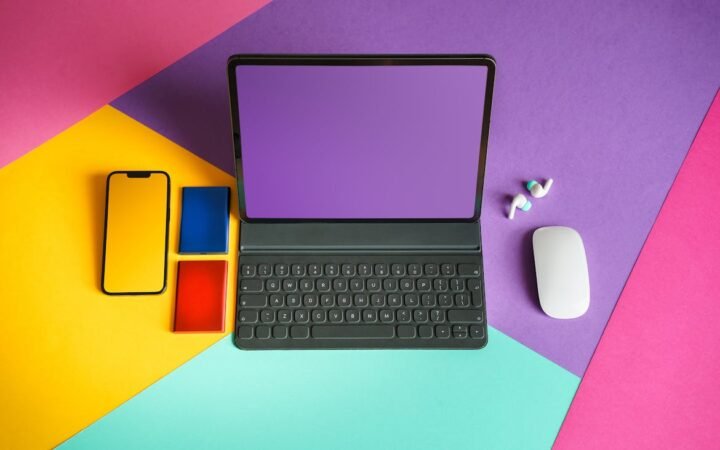
Apple is preparing a major overhaul of Siri that would turn the assistant into a chatbot-style interface integrated into iOS 27, reflecting growing competitive pressure in generative AI.
OpenAI is on track to unveil its first consumer device in the second half of 2026, signaling a major expansion beyond software as the company explores a new category of AI-native hardware.
A federal judge ruled that Elon Musk’s lawsuit accusing OpenAI of abandoning its charitable mission can proceed to trial, rejecting dismissal efforts by OpenAI and Microsoft.
Barclays Research says humanoid robots are moving from experimental labs into real-world deployment as advances in AI and hardware reduce costs. The firm estimates the market could expand sharply over the next decade amid labor shortages.
U.S. senators are demanding detailed explanations from major tech platforms on how they prevent and monetize AI-generated sexual deepfakes. The inquiry follows renewed scrutiny of generative AI tools and their safeguards.
Microsoft outlined a community-first strategy for expanding AI data centers, promising to cover electricity costs and reduce local environmental impact. The move comes amid rising public opposition to large-scale AI infrastructure projects.
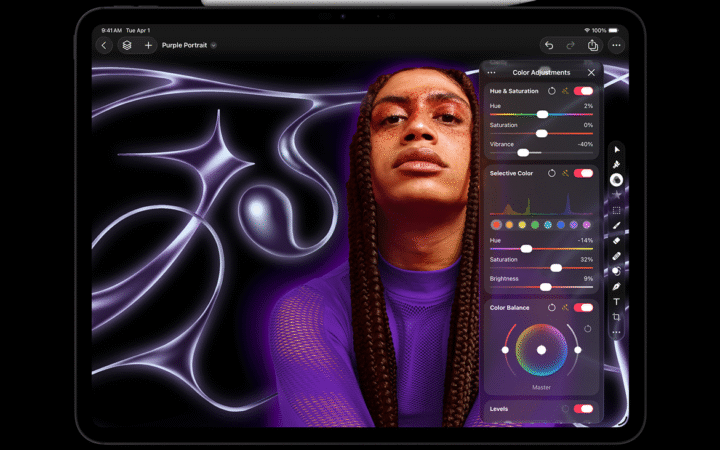
Apple introduced Apple Creator Studio, a subscription bundle combining professional creative apps with new AI-driven features across video, music, imaging, and productivity tools. The offering expands Apple’s push into intelligent software workflows for creators.
Meta has introduced a new top-level initiative, Meta Compute, to expand its AI infrastructure and energy capacity at large scale. The effort signals a long-term push to support advanced AI development and global data center growth.
Apple will rely on Google’s Gemini models and cloud infrastructure to power future artificial intelligence features, including Siri. The multi-year partnership supports Apple’s next generation of foundation models.