Microsoft Commits $33B to Nebius and Neocloud Deals to Ease AI Crunch
Microsoft has committed $33 billion to neocloud partnerships, including a $19.4B deal with Nebius, to secure GPU capacity and avoid looming AI infrastructure bottlenecks.
Guardrails in artificial intelligence refer to the safety measures, policies, and technical constraints designed to ensure AI systems behave responsibly and within defined ethical or operational boundaries. They can include content filters, access controls, human oversight mechanisms, and model alignment techniques that prevent harmful or unintended outputs. In large language models and generative AI, guardrails help maintain factual accuracy, prevent bias, and reduce the risk of misuse. Building effective guardrails is essential for balancing innovation with accountability, ensuring AI remains trustworthy and aligned with human values. As AI becomes more autonomous, these safeguards play a crucial role in maintaining transparency, fairness, and safety across applications.
Microsoft has committed $33 billion to neocloud partnerships, including a $19.4B deal with Nebius, to secure GPU capacity and avoid looming AI infrastructure bottlenecks.
Opera today introduced Neon, an AI-powered browser that can run tasks and navigate pages autonomously — aiming to shift web browsing from passive to “agentic.”
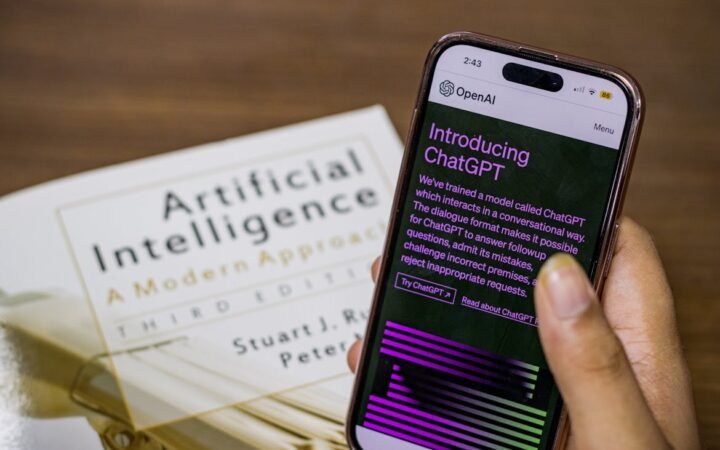
OpenAI and Databricks have forged a multiyear $100 million partnership to embed powerful AI agents into enterprise data platforms, enabling organizations to build agents using their own data.
AI search startup Perplexity has reportedly raised $200 million at a $20 billion valuation, just two months after a $100 million round – signaling its rapid rise as a major rival to Google.