DDR5 Prices Fall as Google TurboQuant Reshapes AI Memory Demand
DDR5 memory prices are showing early signs of decline after Google’s TurboQuant algorithm reduced AI memory requirements, easing pressure on global DRAM supply.

Compute is the total processing resource used to train or run an AI system. It may be described through chip hours, floating-point operations, accelerator counts, memory capacity, energy consumption, or cloud cost. Training a large model can require many processors working together for weeks, while inference compute is spent each time the deployed model handles a request. More compute can enable larger experiments and models, but results also depend on algorithms, data quality, hardware utilization, and software efficiency. Because compute affects cost, latency, energy use, and access to advanced AI, it is both a technical design constraint and an important economic factor.
DDR5 memory prices are showing early signs of decline after Google’s TurboQuant algorithm reduced AI memory requirements, easing pressure on global DRAM supply.
SoftBank has secured a $40 billion bridge loan to deepen its investment in OpenAI and accelerate its broader AI strategy.
Google has introduced TurboQuant, a new compression algorithm that reduces memory usage in AI systems while maintaining accuracy, improving performance in large models and search.
President Donald Trump has appointed top tech executives, including leaders from Meta, Nvidia, and Oracle, to a council shaping U.S. AI policy and strategy.
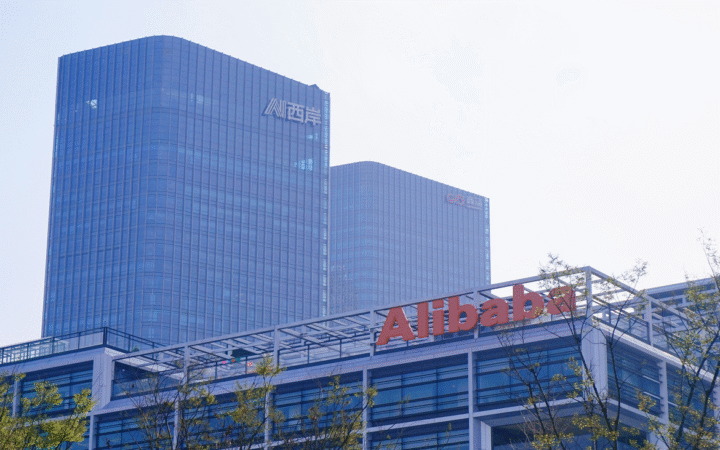
Alibaba has unveiled a new CPU designed for AI agents, focusing on inference and customizable workloads. The chip reflects China’s push to build domestic AI infrastructure.
Elon Musk announced plans for Terafab, a dual chip factory project by Tesla and SpaceX to produce AI chips for vehicles, robots, and space-based data centers.
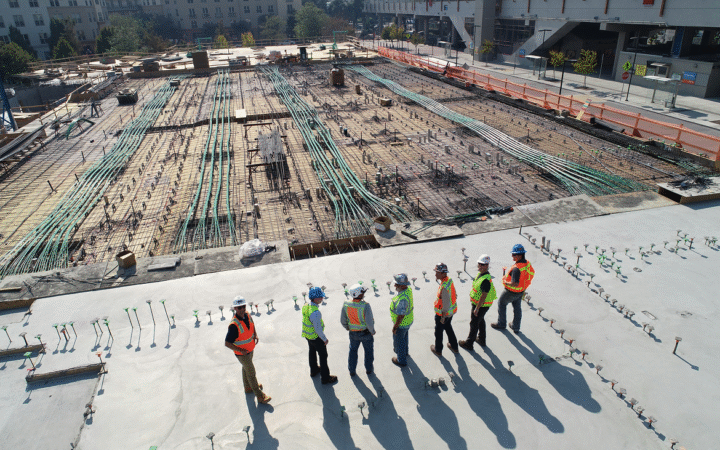
Surging investment in AI data centers is fueling demand for skilled trade workers, creating labor shortages and rising wages. The trend highlights the physical infrastructure behind AI growth.
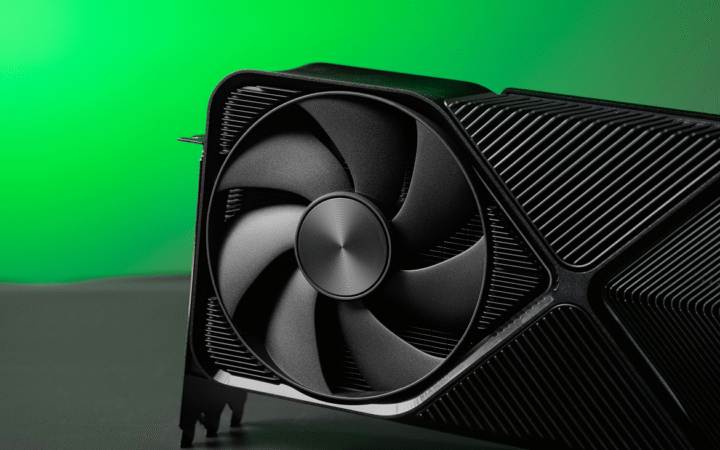
Nvidia CEO Jensen Huang said demand for Blackwell and Vera Rubin systems could reach $1 trillion by 2027, as the company unveiled new chips, racks, and AI infrastructure at GTC.
Nvidia CEO Jensen Huang will deliver the keynote at the GTC 2026 conference, where investors expect new AI product announcements and demand outlook updates.
Encyclopaedia Britannica and Merriam-Webster have sued OpenAI, alleging the company copied nearly 100,000 articles and dictionary entries to train ChatGPT without permission.