Google’s New Protocol Lets AI Handle Shopping End-to-End
Google introduced the Universal Commerce Protocol, an open standard for agentic commerce, enabling AI-driven shopping, checkout, and branded agent interactions across retailers and platforms.

An algorithm is a set of defined steps or rules a computer follows to solve a problem or complete a task. In artificial intelligence, algorithms form the backbone of machine learning, helping systems process data, identify patterns, and make predictions or decisions without explicit programming.
Google introduced the Universal Commerce Protocol, an open standard for agentic commerce, enabling AI-driven shopping, checkout, and branded agent interactions across retailers and platforms.

Anthropic has partnered with Allianz to deploy its Claude AI models and custom agents across the insurer, emphasizing responsible, transparent AI for multi-step workflows and regulatory compliance.
PayPal and Microsoft are integrating checkout and payments directly into Copilot, allowing users to discover products and complete purchases without leaving the AI interface. The rollout begins on Copilot.com and expands PayPal’s agentic commerce strategy.
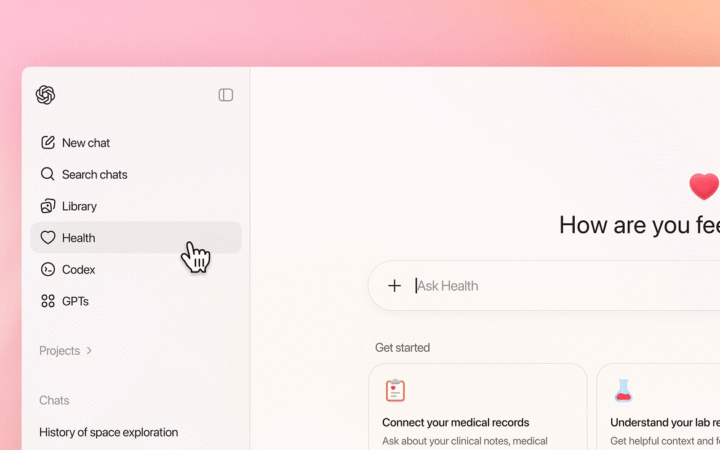
OpenAI introduced ChatGPT Health, a dedicated experience that securely integrates personal health data with AI, helping users navigate wellness, lab results, and appointments with added privacy protections.
Anthropic is preparing to raise $10 billion at a $350 billion valuation, nearly doubling its recent value. Major backers include GIC, Coatue, Microsoft, and Nvidia, supporting cloud expansion and AI model development.
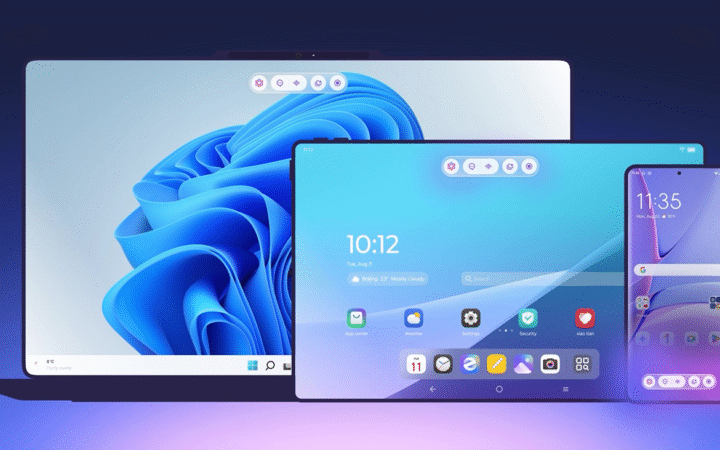
Lenovo introduced Qira, a system-level AI spanning PCs, tablets, smartphones, and wearables. The assistant offers context-aware, cross-device intelligence for writing, collaboration, and workflow management.
xAI closed a $20 billion Series E round, exceeding its original target and adding strategic backing from NVIDIA and Cisco. The funding supports expanded data center capacity, large-scale GPU deployment, and continued development of the Grok model family.
Beyond major product launches, CES 2026 is highlighting a wave of unconventional AI-powered devices, from holographic assistants to robotic pets and smart kitchen tools. The gadgets reflect how artificial intelligence is moving into niche consumer applications.
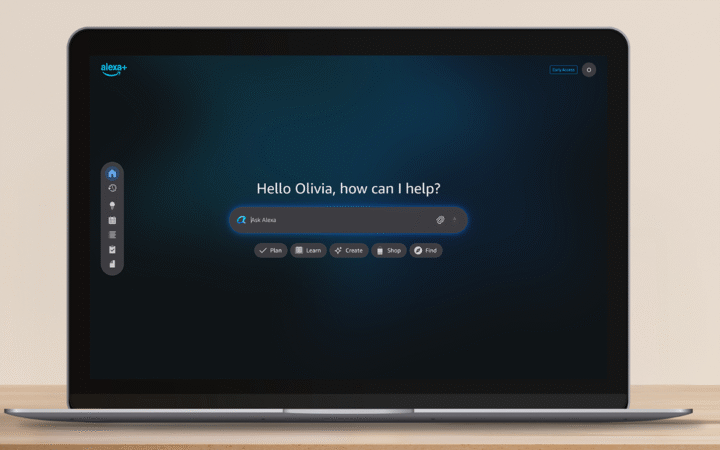
Amazon has launched Alexa.com, bringing its AI-powered Alexa+ assistant to the web and mobile app, enabling family-focused tasks, smart home control, and content creation online.
Google is adding new Gemini AI features to Google TV, enabling voice-driven controls, personalized recommendations, and AI-powered photo and video experiences. The updates debut on select TCL televisions before a broader rollout.