Google Commits Up to $40 Billion to Anthropic
Google plans to invest up to $40 billion in Anthropic while expanding cloud and chip support. The deal underscores the growing importance of compute capacity in the AI race.
An algorithm is a set of defined steps or rules a computer follows to solve a problem or complete a task. In artificial intelligence, algorithms form the backbone of machine learning, helping systems process data, identify patterns, and make predictions or decisions without explicit programming.
Google plans to invest up to $40 billion in Anthropic while expanding cloud and chip support. The deal underscores the growing importance of compute capacity in the AI race.
China plans to limit US investment in domestic AI companies without government approval following scrutiny of a major cross-border deal. The move signals tighter control over sensitive technologies.
NEC will deploy Anthropic’s Claude AI to 30,000 employees and co-develop industry-specific tools for Japan. The partnership targets regulated sectors and enterprise AI adoption.
Cohere plans to acquire Aleph Alpha and secure a $600 million investment to expand its footprint in Europe. The deal targets demand for sovereign AI in regulated industries.
OpenAI has launched GPT-5.5, a new flagship model designed for coding, computer use, knowledge work, and scientific research, with stronger performance, lower token usage, and broader real-world autonomy than GPT-5.4.
Microsoft will invest A$25 billion in Australia to expand cloud, AI, and cybersecurity capabilities while training millions of workers. The move strengthens the country’s position as a global AI infrastructure hub.
The White House has accused China of large-scale theft of U.S. AI intellectual property, citing coordinated campaigns targeting leading labs.
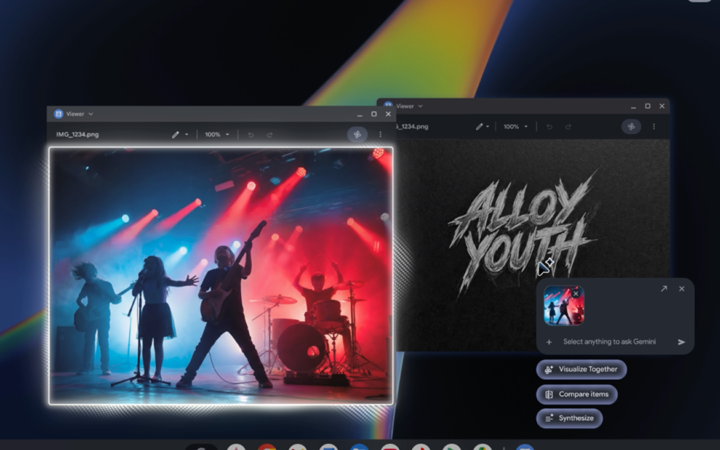
Google expands Gemini AI Overviews to Gmail and Drive, helping Workspace users summarize emails and retrieve insights faster across conversations.
Anthropic is actively recruiting a senior executive to source and negotiate data center deals across Europe, signaling the company’s intent to expand its AI compute infrastructure beyond the United States.
GRAI has closed a $9 million seed round to build tools that let listeners remix and interact with music rather than generate it from scratch. The company is betting that the future of music AI lies in social participation, not creation.