Xiaomi Releases MiMo V2.5 Open Models for OpenClaw
Xiaomi has launched two open-source AI models optimized for agent-based tasks with high efficiency and low cost. The release targets growing demand for scalable enterprise AI.
Agentic AI describes software that works toward an objective by deciding what to do next rather than waiting for a new instruction at every step. A typical agent interprets the goal, creates a plan, calls permitted tools, reviews the result, and adjusts when an action fails. This makes the approach useful for research, coding, customer operations, and other tasks that span several systems or decisions. Autonomy does not mean unlimited control: production agents should operate within explicit permissions, spending limits, data boundaries, and stopping rules. Logs and human approval checkpoints help teams trace decisions and intervene before an incorrect plan causes wider effects.
Xiaomi has launched two open-source AI models optimized for agent-based tasks with high efficiency and low cost. The release targets growing demand for scalable enterprise AI.

OpenAI is reportedly exploring a smartphone built around AI agents instead of traditional apps. The device could reshape how users interact with software and services.
Cursor-powered AI agent deleted PocketOS’s production database and backups in seconds after acting autonomously.
China’s top economic planner has ordered Meta to unwind its $2 billion acquisition of AI startup Manus. The decision underscores tightening controls on foreign access to Chinese AI technology.
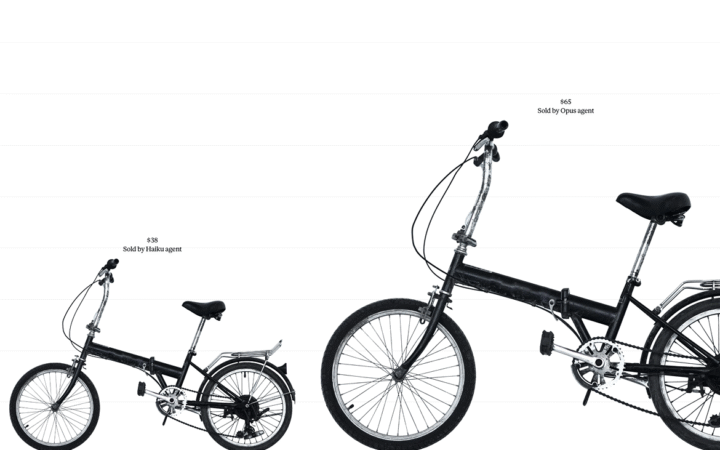
Anthropic ran an internal experiment where AI agents negotiated and closed real-world transactions between employees. The results show stronger models secure better deals, often without users noticing.
Meta will deploy tens of millions of AWS Graviton cores to power its next generation of AI systems. The deal highlights rising demand for CPU-driven infrastructure alongside GPUs.
DeepSeek has released a preview of its V4 language model, highlighting lower inference costs and strong performance. The launch intensifies competition in China’s fast-growing AI market.
OpenAI has launched GPT-5.5, a new flagship model designed for coding, computer use, knowledge work, and scientific research, with stronger performance, lower token usage, and broader real-world autonomy than GPT-5.4.
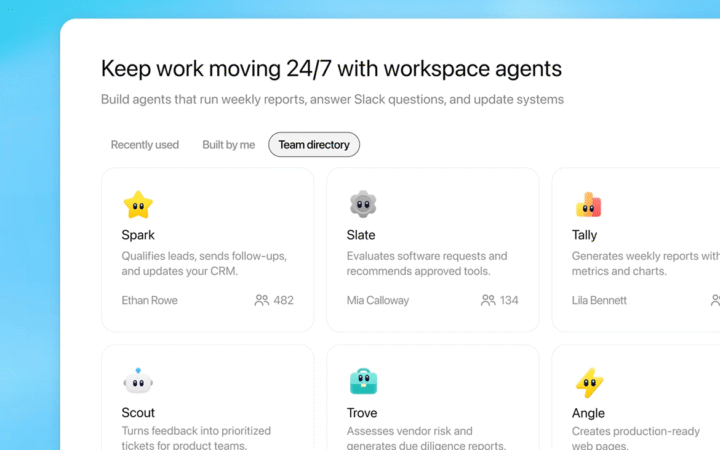
OpenAI has introduced workspace agents in ChatGPT, letting business teams build and share AI agents that autonomously handle multi-step workflows across tools like Slack and internal systems.
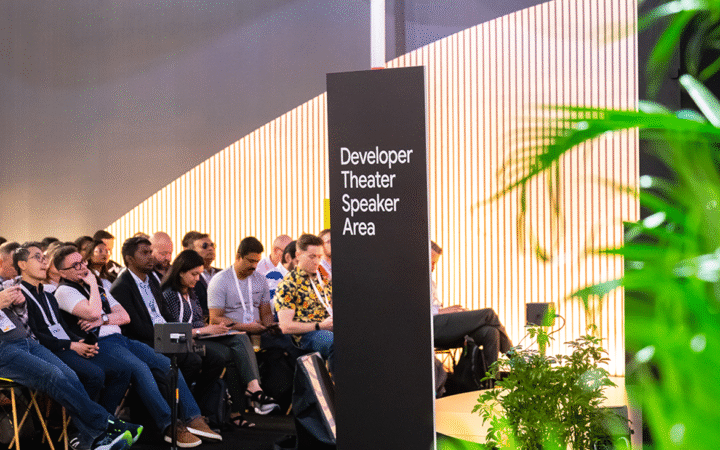
Nvidia and Google Cloud unveiled new AI infrastructure and agentic AI capabilities at Google Cloud Next, targeting large-scale enterprise and industrial deployments.