Anthropic CEO Calls for FAA-Style Regulation of Frontier AI
Anthropic CEO Dario Amodei published an essay urging binding, FAA-style safety testing for frontier AI models, marking a shift from the company’s earlier focus on transparency.
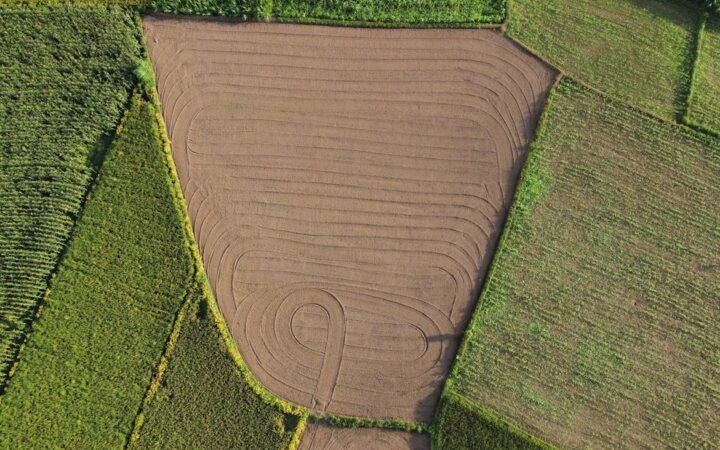
An adversarial attack attempts to make an AI system fail by supplying carefully designed input. The change may be almost invisible to a person while causing a model to misclassify an image, follow a malicious instruction, or reveal protected behavior. Attackers can exploit knowledge of the model or probe it through repeated queries. Defenses include adversarial training, input validation, access controls, monitoring, and tests that simulate realistic threats. No single defense removes every risk because attacks evolve alongside models. Security teams therefore evaluate the complete system, including connected tools, data pipelines, user permissions, and the consequences of an incorrect or manipulated output.
Anthropic CEO Dario Amodei published an essay urging binding, FAA-style safety testing for frontier AI models, marking a shift from the company’s earlier focus on transparency.

OneSoil has partnered with Rainbow Weather to bring hyperlocal AI-powered rainfall forecasting to farmers worldwide, helping improve field operations and reduce weather-related losses.
Anthropic says cybercriminals are increasingly using AI for advanced post-compromise operations and autonomous attack chains. The company argues that existing cybersecurity frameworks may no longer fully capture how AI-powered threats operate.
Anthropic is expanding Project Glasswing to approximately 200 organizations using Claude Mythos Preview to identify software vulnerabilities. The initiative aims to strengthen cybersecurity defenses as increasingly powerful AI models become widely available.
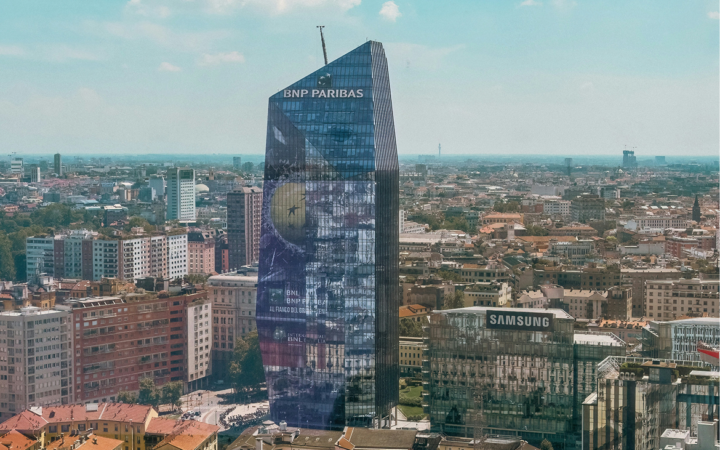
BNP Paribas says it is strengthening cybersecurity defenses as increasingly powerful AI systems accelerate the discovery of software vulnerabilities across the financial sector.
Anthropic co-founder Chris Olah told the Vatican that AI development cannot be left solely to technology companies, warning about commercial incentives, labor disruption, and the growing complexity of frontier AI systems.
Anthropic says its unreleased Mythos AI model has identified more than 10,000 high- and critical-severity software vulnerabilities as part of Project Glasswing, a cybersecurity initiative focused on protecting critical infrastructure and open-source software.
Pope Leo has called for stronger global oversight of artificial intelligence, warning that unchecked AI development could fuel misinformation, labor disruption, surveillance, and autonomous warfare.
Anthropic co-founder Chris Olah warned that AI development cannot be left solely to technology companies and called for greater oversight from governments, religious institutions, and civil society.
Anthropic is reportedly preparing to brief the Financial Stability Board on cyber vulnerabilities identified by its Mythos AI model.