
Key Notes
- Users report that DeepSeek’s app and website restrict daily use and prevent some long conversations from being resumed after more than seven days of inactivity.
- Reports describe an input ceiling of about 40,000 characters, while the daily allowance and a timetable for lifting the restrictions remain unspecified.
- OpenRouter’s reported October traffic surge concerns a particular model snapshot and measures API token volume rather than usage of DeepSeek’s consumer app.
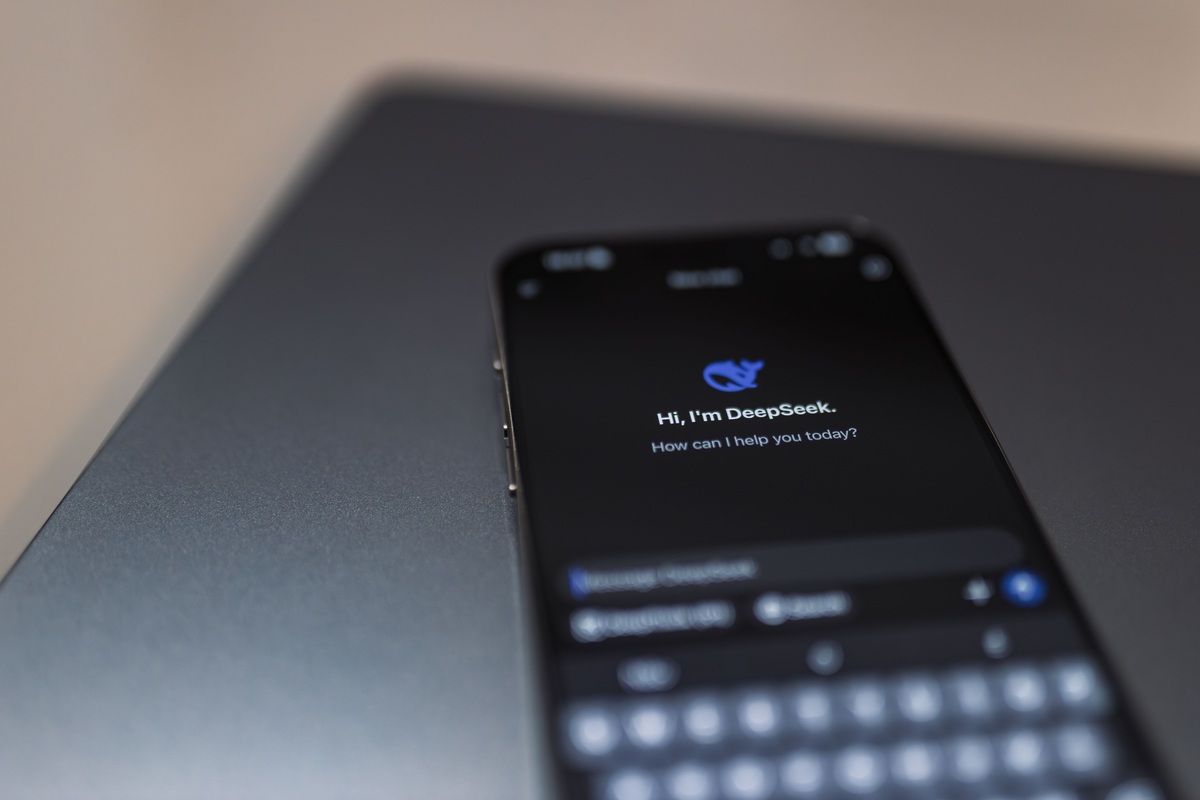
DeepSeek users are reporting new restrictions in the company’s app and website, including daily usage caps and limits on returning to long conversations after a break. Notices cited in the reports attribute the changes to insufficient computing capacity.
IT Home reported on November 16 that some users could no longer resume long conversations that had been inactive for more than seven days. Users also described a single-input ceiling of roughly 40,000 characters and a message saying their allowance had been exhausted because the servers were busy.
TechNode also reported the changes, citing IT Home. The reports leave the size of the daily allowance unspecified, while IT Home said DeepSeek had not issued a separate announcement or a timetable for restoring access at the time of publication.
The seven-day rule affects continuing a project
The reported inactivity rule concerns the ability to resume a long conversation. For someone returning to a research, writing or coding project after more than a week away, it could interrupt a workflow built around the context accumulated in that thread.
The approximate input cap is expressed in characters, with TechNode describing the reports in terms of Chinese characters. Characters and model tokens are different units, so the reported ceiling should be treated as a limit in the chat interface rather than a new specification for the underlying model’s context window.
The reports concern the consumer app and web chat. They do not establish an equivalent change to the developer API’s usage rules.
OpenRouter traffic shows demand, with a narrower scope
IT Home also cited OpenRouter figures showing 33.6 trillion tokens processed by the updated DeepSeek V4.1 Flash model during October 19 to 25, up 801% from the previous week. The figure concerns the October 17 snapshot, DeepSeek V4.1 Flash 1017.
OpenRouter’s rankings measure tokens processed through its own API, counting model variants separately. The percentage therefore applies to that specific model entry. The totals leave the number of people using DeepSeek’s own app, and the computing resources available to serve them, unspecified.
The latest leaderboard, using data through November 15, still places the 1017 model first by token volume. That supports its popularity among OpenRouter users, while the capacity explanation for the chat restrictions comes from the notices reported by users.
DeepSeek’s official status page listed its services as operational when checked on November 16. Service availability and an individual account’s remaining allowance are separate measures.
We covered the October model refresh and search APIs when they launched. For regular chat users, the immediate unanswered questions are more practical: how much daily use remains available and how long the restrictions will last.
Disclaimer: AIstify is an independent media brand owned and operated by NuvexMedia LLC, publishing news, research, and insights on artificial intelligence, emerging technologies, automation, and related industries. NuvexMedia LLC invests in and collaborates with companies across the AI, technology, software, and digital innovation sectors. These relationships do not influence AIstify’s editorial coverage, and the publication maintains full editorial independence to provide accurate, timely, and objective information. © 2026 NuvexMedia LLC. All rights reserved. This content is for informational purposes only and should not be considered legal, tax, investment, financial, or other professional advice.