Key Notes
- Meta has opened Muse’s business-calling feature to paid subscribers in the United States after an earlier test.
- Paid Muse plans start at $20 a month, while business calling is excluded from the free tier in this announcement.
- The feature is aimed at tasks such as restaurant reservations and service requests that require a telephone conversation.
Meta is opening Muse’s business-calling feature to paid subscribers in the United States, letting users ask the personal AI agent to handle tasks that still require picking up the phone.
Meta chief AI officer Alexandr Wang announced the wider availability on November 12. He highlighted insurance, cable companies, government offices and restaurant reservations as examples of calls users could hand over.
TechCrunch reported that the rollout expands a test that began in September.
muse can make phone calls for you!
– Alexandr Wang (@alexandr_wang) November 12, 2026
Phone calls become a reason to subscribe
Meta’s subscription guide lists a $20-a-month Power plan with 500 million Muse tokens per week and a $100 Maximum plan with 3 billion. These are the service’s usage allowances, rather than a published number of phone calls.
Muse also has a free tier, but Wang’s announcement places business calling behind a paid subscription in the United States. Meta says subscription benefits and availability can vary by region and account.
The appeal is practical. A restaurant without online booking or a service provider that requires a telephone conversation can become part of an agent’s workflow. The value to a customer will depend on whether the call produces a useful result, such as confirmed availability or a completed reservation.
Personal agents reach beyond the chat window
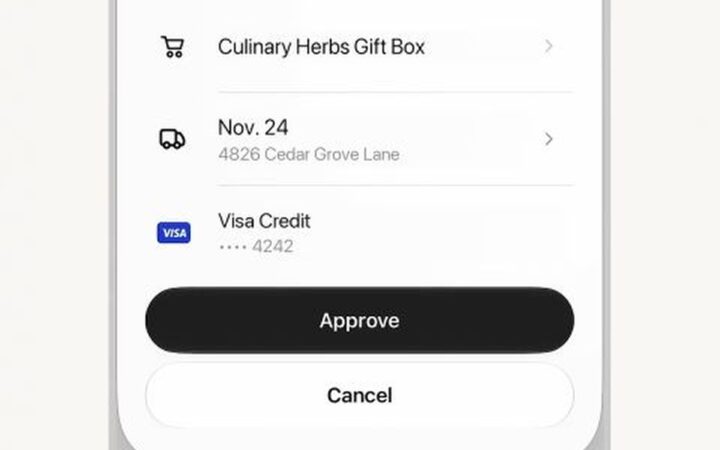
The expansion comes as AI companies add more ways for assistants to carry out everyday errands. OpenAI has just launched ChatGPT Wallet, which lets its dots complete purchases after users approve payment with a security check.
Phone-based assistance also has a history worth separating from the current rollout. Earlier reporting examined Meta’s use of human contractors for some calls during Muse’s beta. Wang’s new announcement establishes wider paid access; it does not detail the staffing arrangements behind every call.
For businesses receiving those calls, the change adds another kind of customer representative to the line. Muse’s next test is whether it can communicate requests clearly and bring back dependable outcomes for the person who delegated the task.
Disclaimer: AIstify is an independent media brand owned and operated by NuvexMedia LLC, publishing news, research, and insights on artificial intelligence, emerging technologies, automation, and related industries. NuvexMedia LLC invests in and collaborates with companies across the AI, technology, software, and digital innovation sectors. These relationships do not influence AIstify’s editorial coverage, and the publication maintains full editorial independence to provide accurate, timely, and objective information. © 2026 NuvexMedia LLC. All rights reserved. This content is for informational purposes only and should not be considered legal, tax, investment, financial, or other professional advice.