Key Notes
- Samsung and Google opened pre-orders for Gemini-powered eyewear, with sales in the United States scheduled to begin on December 10.
- Warby Parker’s collection starts at $395, while Gentle Monster’s models range from $449 to $489.
- The glasses combine a camera and voice assistance with phone connectivity, and some accessibility features require a compatible Android device at launch.
Samsung and Google are opening a new front in the race to make AI useful beyond the phone screen, with Gemini-powered glasses that start at $395 and go on sale in the United States on December 10.
Samsung announced the release on November 12, when pre-orders opened for collections designed with Warby Parker and Gentle Monster. Warby Parker’s range starts at $395, while Gentle Monster’s models cost $449 to $489.
The proposition is simple: ask an assistant about something in front of you, hear an answer and act on it without taking out your phone. For Google, the launch puts Gemini into a product people can wear throughout the day. For Samsung, it extends its mobile hardware business into a category where design and comfort matter as much as computing power.
Gemini gets a view of the world
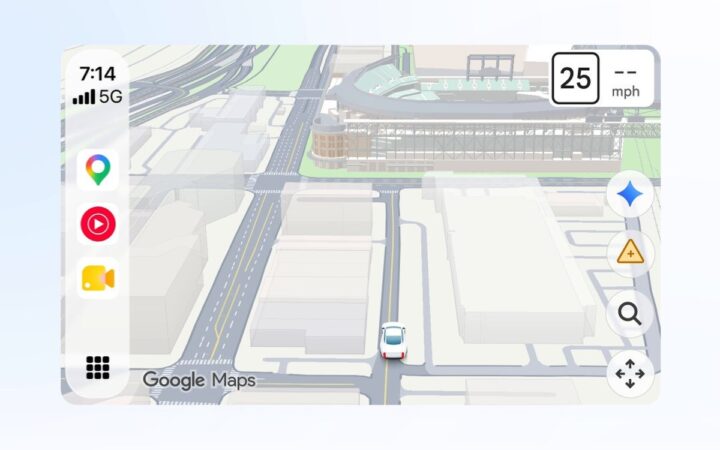
Google outlined features including spoken Google Maps directions, live translation across more than 70 languages and questions about objects the wearer can see. An event poster, for example, can become a prompt to check calendar availability. Something on a shelf can be added to a shopping list.
The camera gives the assistant visual context, while open-ear speakers deliver responses. The interaction is built around voice and touch: users can speak to Gemini or tap the frames.
Samsung says the glasses can also capture a meeting whiteboard, summarize its contents and save the result in Samsung Notes. The hardware uses Qualcomm’s Snapdragon AR1 Gen 1 platform and shifts some processing to a connected phone.
Familiar frames carry the technology
Warby Parker offers three frame families, Alden, Reid and Wren, in optical and sunglass versions. Its lens choices include single-vision and progressive prescriptions, readers and non-prescription options. Gentle Monster’s collection has six frame designs. Across the two brands, Samsung counts 30 variations, including different colors, widths and lenses.
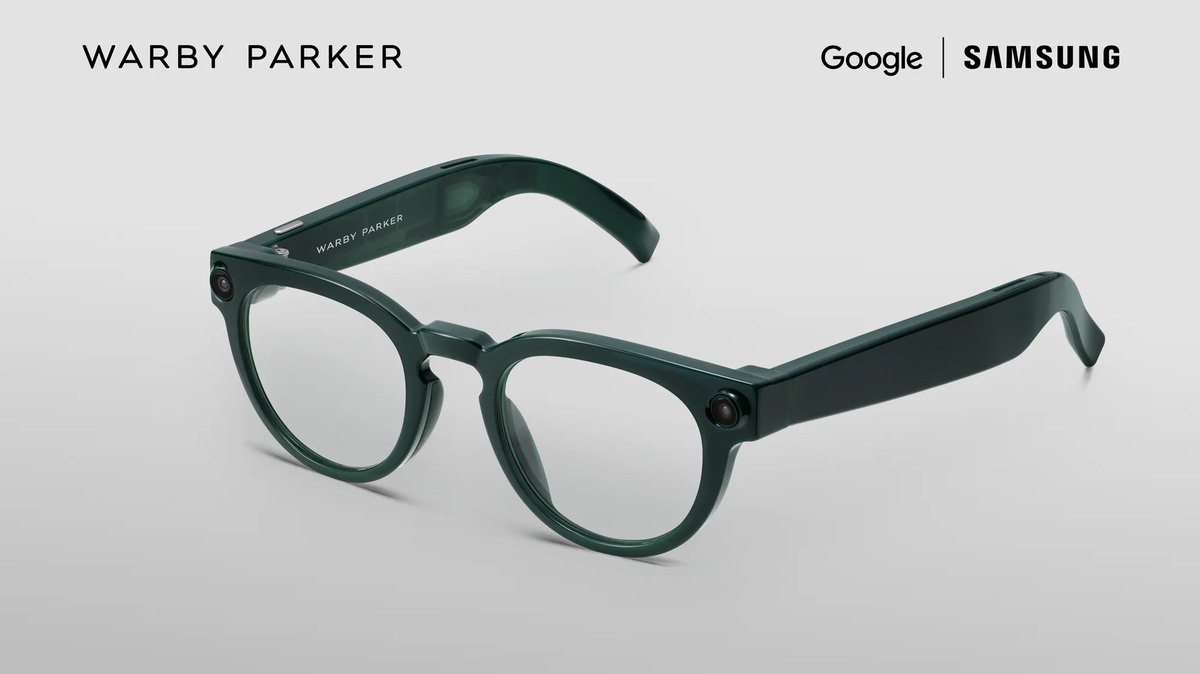
Warby Parker lists a 12-megapixel ultra-wide camera, 3K video recording, four microphones and frames weighing around 41 grams. It advertises up to nine hours of use per charge, with another seven full charges from the case. Those are manufacturer estimates; battery life will depend on how the glasses are used.
The retailer says orders begin shipping in mid-December, with prescription orders taking up to 21 days once production starts. The December 10 launch therefore does not mean every pre-order will arrive that day.
Your phone still matters
Google lists compatible Pixel and Samsung phones alongside selected iPhones, but buyers need to check the exact model and software requirements. The service requires an eligible adult Google account in the United States or South Korea, and Gemini needs an internet connection.
Some features have narrower availability. Guided Vision, which provides conversational visual descriptions, and access to Aira’s human visual interpreters are limited to compatible Android phones at launch. Google says Guided Vision is not a replacement for a mobility aid.
A camera people around you can notice
Google separately detailed protections intended to address a central concern with camera-equipped glasses: people nearby may not know when they are being recorded.
An outward-facing indicator lights up for photos and videos, and the glasses are designed to prevent capture if it is covered or disabled. They also have a physical power switch and controls over which apps can use the camera.
Google says camera visuals used for Gemini answers are excluded from Gemini History and are not used for model training or advertising. Bystanders’ faces are meant to be redacted before Gemini processes those visuals. That policy does not mean every interaction disappears: conversation text can be saved in Gemini History, with separate controls for retention and model improvement.
The launch advances a broader shift toward voice as an AI interface. AIstify previously examined that ambition, including the idea that useful assistants should let people keep their phones in their pockets. December’s release will put that promise into everyday retail products, where fit, battery life and reliable answers will decide how often the glasses get worn.
Disclaimer: AIstify is an independent media brand owned and operated by NuvexMedia LLC, publishing news, research, and insights on artificial intelligence, emerging technologies, automation, and related industries. NuvexMedia LLC invests in and collaborates with companies across the AI, technology, software, and digital innovation sectors. These relationships do not influence AIstify’s editorial coverage, and the publication maintains full editorial independence to provide accurate, timely, and objective information. © 2026 NuvexMedia LLC. All rights reserved. This content is for informational purposes only and should not be considered legal, tax, investment, financial, or other professional advice.