Key Notes
- Chinese AI companies are seeking overseas NVIDIA capacity amid concerns about tighter US restrictions on remote access.
- The House passed the Remote Access Security Act in January, but the bill still awaits Senate consideration.
- Offshore cloud rentals and physical chip imports create distinct questions for export-control policy.
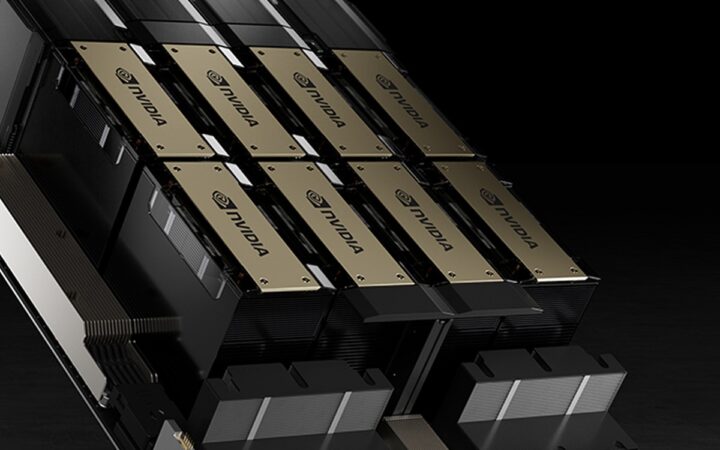
Chinese AI companies are seeking to reserve NVIDIA computing capacity outside China, anticipating possible US restrictions on remote access to American chips. Reuters reported the preparations on November 12, citing three people familiar with the matter.
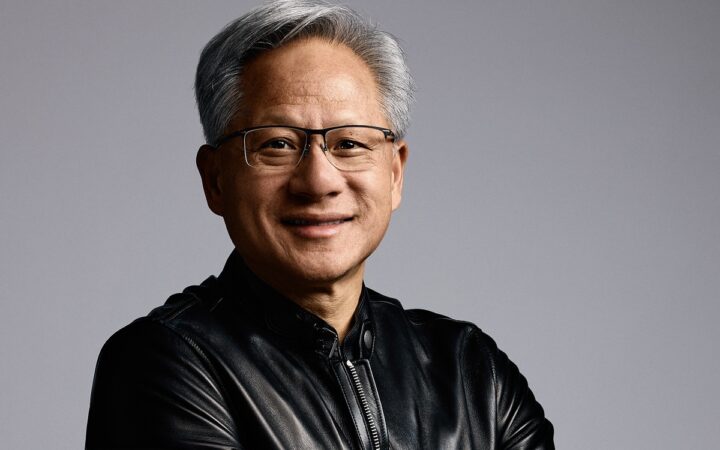
An unnamed major Chinese cloud provider has discussed securing capacity, while smaller labs have approached providers in Southeast Asia. The sources linked the urgency to fears that the controversy surrounding NVIDIA chief Jensen Huang could accelerate US action.
Washington Looks Beyond Physical Chip Exports
The policy debate predates the latest NVIDIA headlines. The House of Representatives passed the Remote Access Security Act on January 12 by 369 votes to 22. Reuters says the measure is awaiting Senate consideration.
The proposed legislation would extend US export-control authority to certain forms of remote access. Its definition covers a foreign person connecting through a network, the internet or a cloud service to a controlled item located elsewhere, where the commerce secretary determines that access poses a serious national-security or foreign-policy risk. House passage alone does not put those provisions into law.
That distinction matters for AI infrastructure. A developer can use a processor without owning it or bringing it into the country where the developer works. Restrictions focused on physical shipments and restrictions governing who can connect to an overseas server address different parts of that arrangement.
Cloud Capacity Becomes a Strategic Asset
NVIDIA itself has promoted a global market for rented GPU capacity. Its DGX Cloud Lepton announcement in May 2025 described a network offering regional computing resources on demand and through longer-term arrangements. That announcement illustrates the business model; it does not establish which services the Chinese firms in the Reuters report are contacting.
AIstify has separately covered reports about NVIDIA’s board deliberations and succession planning. The cloud-access story concerns a different business risk: whether Chinese customers will retain access to computing resources hosted beyond their borders.
The same access problem has also appeared at the border. On November 5, AIstify reported that H200 chips were awaiting Chinese import approval in Hong Kong. Renting offshore processors moves the location of the hardware, but it leaves the policy question of who may use it.
Disclaimer: AIstify is an independent media brand owned and operated by NuvexMedia LLC, publishing news, research, and insights on artificial intelligence, emerging technologies, automation, and related industries. NuvexMedia LLC invests in and collaborates with companies across the AI, technology, software, and digital innovation sectors. These relationships do not influence AIstify’s editorial coverage, and the publication maintains full editorial independence to provide accurate, timely, and objective information. © 2026 NuvexMedia LLC. All rights reserved. This content is for informational purposes only and should not be considered legal, tax, investment, financial, or other professional advice.