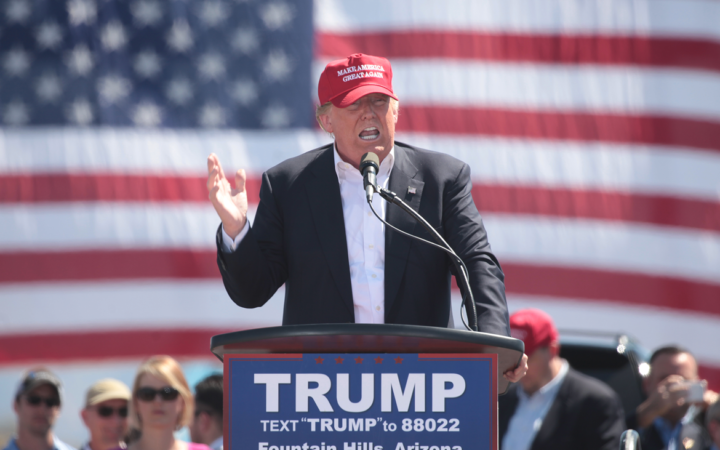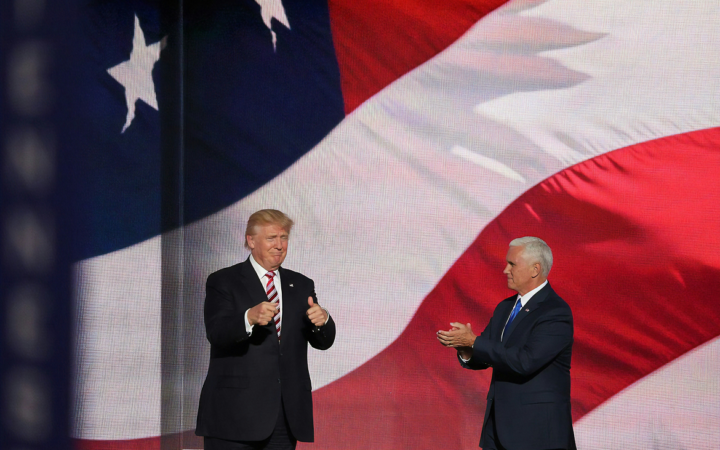
President Donald Trump is considering a 10-person committee to oversee the artificial intelligence sector, Reuters reported on September 29. He floated the idea after a White House meeting with technology executives, as pressure grows for clearer AI safety rules.
Trump also said the executives signed an agreement he described as “morally binding,” without disclosing its terms. The report did not identify committee members, spell out enforcement powers or give a launch date, leaving the proposal’s scope unresolved.
Attendees included Anthropic’s Dario Amodei, Meta’s Mark Zuckerberg, Google’s Sundar Pichai and Nvidia’s Jensen Huang. Trump also said technology companies would provide financial benefits to communities hosting data centers, where concerns about electricity demand, utility bills and other local impacts have fueled opposition.
Earlier Tuesday, House Speaker Mike Johnson had favored voluntary safeguards ahead of the meeting. Bipartisan Senate efforts to regulate AI have stalled, Reuters reported, with Republican Senator Ted Cruz saying he hopes to advance the discussions after November’s midterm elections.
Democratic Senator John Hickenlooper urged Trump to work with Congress on federal safeguards before the gathering. His proposals include independent testing of powerful models, better reporting of serious AI incidents and accountability for companies that knowingly deploy dangerous systems.
Disclaimer: AIstify is an independent media brand owned and operated by NuvexMedia LLC, publishing news, research, and insights on artificial intelligence, emerging technologies, automation, and related industries. NuvexMedia LLC invests in and collaborates with companies across the AI, technology, software, and digital innovation sectors. These relationships do not influence AIstify’s editorial coverage, and the publication maintains full editorial independence to provide accurate, timely, and objective information. © 2026 NuvexMedia LLC. All rights reserved. This content is for informational purposes only and should not be considered legal, tax, investment, financial, or other professional advice.