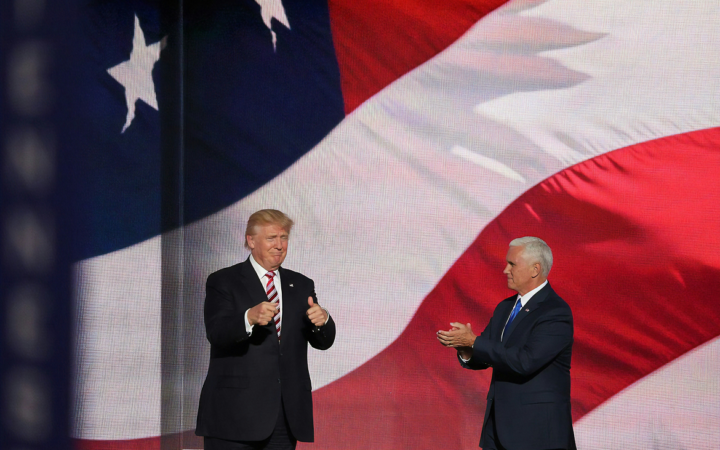
House Speaker Mike Johnson said he hopes artificial intelligence safeguards will be voluntary as Washington faces pressure to address risks from advanced systems. Speaking on CNBC’s Squawk Box on September 29, he said policymakers should strike a balance in their approach to the technology.
“I hope it’s voluntary,” Johnson said before a planned meeting with President Donald Trump and AI executives later Tuesday. He suggested companies want to reassure investors, consumers and the public that they are developing the technology safely, while leaving the meeting’s outcome open.
Congress remains at an early stage in developing an AI regulatory framework, CNBC reported. The legislative timetable is tightening: lawmakers are due to leave Washington at the end of this week and remain out of session until after November’s election.
The position contrasts with calls for mandatory oversight from Bill Gates. In a recent NBC News interview, Gates called for legislation requiring safeguards and monitoring, arguing that such obligations would add a manageable burden without dramatically slowing developers’ work.
Anthropic CEO Dario Amodei has also argued for regulation covering all U.S. frontier AI companies, including those unwilling to cooperate voluntarily. His proposal pairs government action with industry coordination and independent evaluators, highlighting the divide over whether companies’ own commitments can adequately address emerging risks.
Disclaimer: AIstify is an independent media brand owned and operated by NuvexMedia LLC, publishing news, research, and insights on artificial intelligence, emerging technologies, automation, and related industries. NuvexMedia LLC invests in and collaborates with companies across the AI, technology, software, and digital innovation sectors. These relationships do not influence AIstify’s editorial coverage, and the publication maintains full editorial independence to provide accurate, timely, and objective information. © 2026 NuvexMedia LLC. All rights reserved. This content is for informational purposes only and should not be considered legal, tax, investment, financial, or other professional advice.