
Claude Hides Secret Messages in Images That Astra Can Decode
Researchers prompted Claude Fable 5.1 to hide messages in images. OpenAI’s Astra decoded 88% of them, without seeing the SVG source or an agreed cipher.
Comprehensive coverage of academic breakthroughs, patents, labs and experimental models pushing the frontiers of technology. Discover how cutting-edge research turns into practical innovation across industries and influences the next generation of products. This category captures the pipeline from idea to market.
Researchers prompted Claude Fable 5.1 to hide messages in images. OpenAI’s Astra decoded 88% of them, without seeing the SVG source or an agreed cipher.

Microsoft’s MAI-DxO scored 83.2% on complex cases versus 36.1% for generalist doctors in simulations. Budget settings cut estimated workup costs.
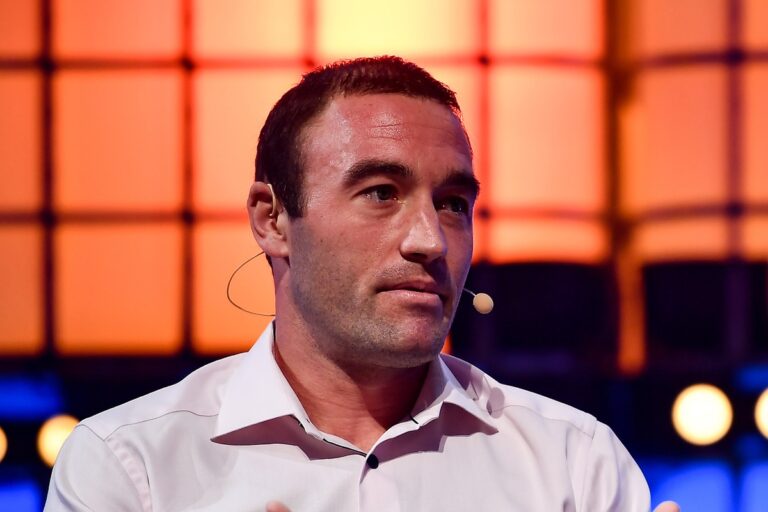
Kevin Weil’s Warp Sciences will build U.S. chemistry labs for drug developers, combining expert scientists with AI and progressively automated workflows.
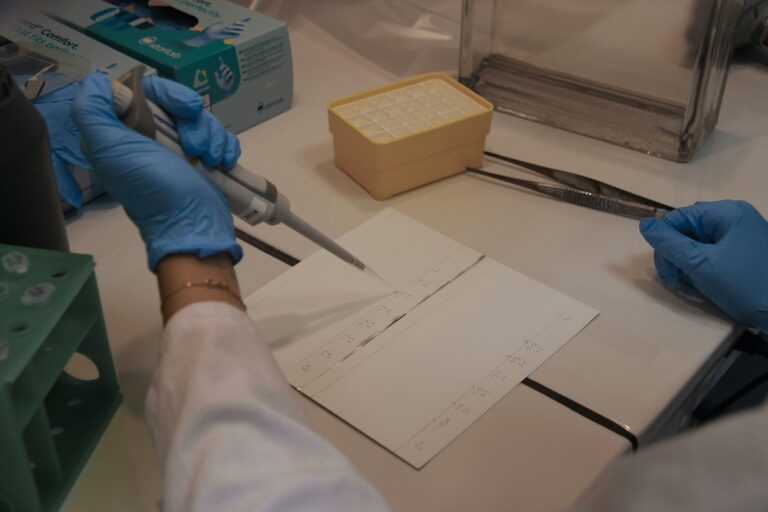
Carbon-X lets researchers ask questions about DNA and approaches GPT-6.1 Sol on the team’s benchmarks, but it is not validated for medical decisions.
Mass General Brigham’s FAHR-Face analyzes facial photographs to estimate aging and cancer survival risk, but clinical benefit still needs testing.
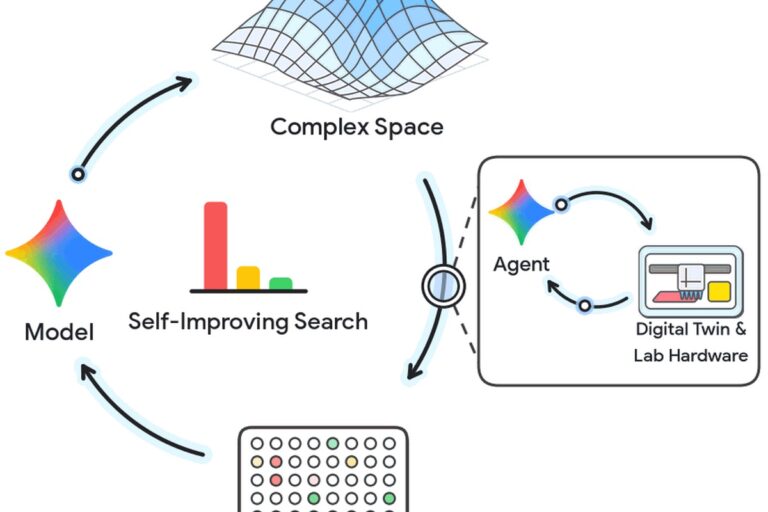
Google Research says its agent workflows use a digital twin, simulation and human authorization to run and refine wet-lab experiments.
Google reports 99.99% magic-state fidelity on Willow, with errors reduced 40x. The quantum computing advance retained 8% of attempts and still needs to scale.
Google Deep Review offers two free document checks a week, using AI agents to flag errors and weak arguments. Its benchmark results come with important limits.
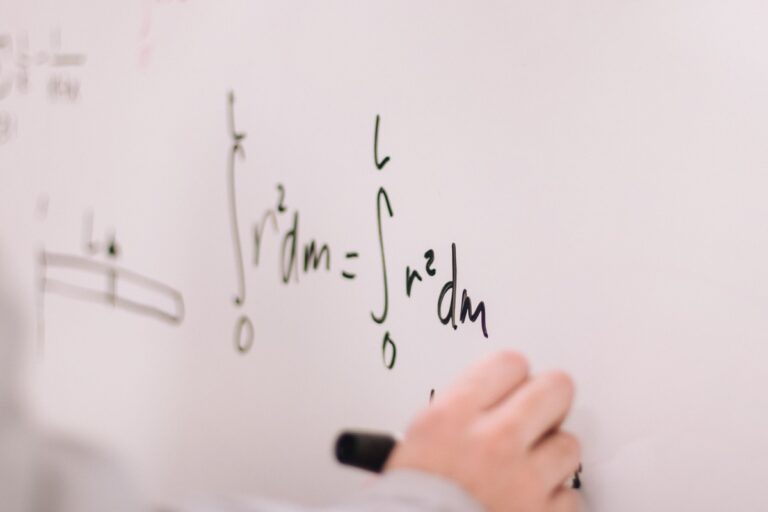
OpenAI’s mass mathematics release sparks a debate over research, proof verification and Terence Tao’s vision for “Math 2.0.”
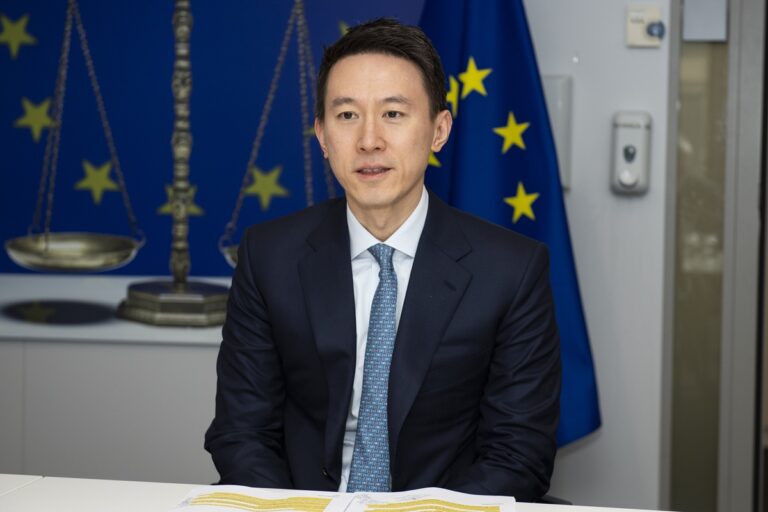
Shou Zi Chew expects AI breakthroughs in science within two to three years. ByteDance’s Protenix research shows progress, while verification and agent safety remain key.
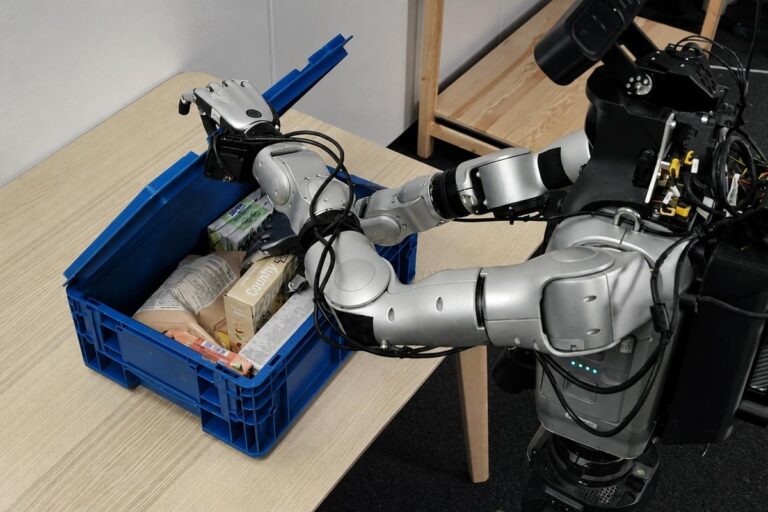
Odyssey-3 generates worlds that respond to actions, leads a published physics benchmark and powers robot demonstrations. Flash is available to try in a browser.
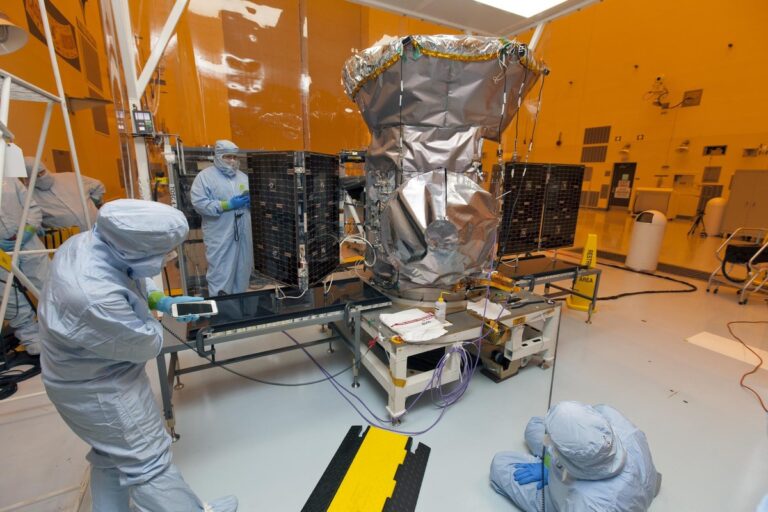
Pavel Rabtsevich used Claude Code to investigate a possible planet 116 light-years away. TESS has approved follow-up observations, but discovery is unconfirmed.