
Meta Launches Muse, a Personal AI Agent That Shops and Acts for You
Meta launched Muse, a personal AI agent that browses, shops and negotiates on a user's behalf, built around an isolated "Secure VM" and a permission-gatekeeping Sentinel...
In-depth reporting on artificial intelligence and machine learning, from generative AI and large language models to predictive analytics and automation tools. This category explores how algorithms and data-driven systems are transforming business operations, scientific research, creative industries and public services, shaping a future where machines collaborate with humans to solve complex problems at scale.
Meta launched Muse, a personal AI agent that browses, shops and negotiates on a user's behalf, built around an isolated "Secure VM" and a permission-gatekeeping Sentinel...
OpenAI has launched ChatGPT Images 2.5, a major image-generation upgrade with up to 50% lower latency, better subject fidelity, more reliable multi-turn editing, new Sketch and...
Qualcomm shares rose about 10% after the company announced a multi-generation deal to build custom AI inference chips and optical networking for Amazon's data centers.

Accenture and Google Cloud formed a dedicated Gemini Enterprise Business Group with a 1,000-engineer workforce, deepening a partnership already used by clients like YouTube.

Rentosertib, an AI-designed lung disease drug, showed signs of lowering biological age in a small trial analysis, though scientists caution the effect could reflect a treated...

Geoffrey Hinton warned that losing control of superintelligent AI could lead to human extinction, as UK lawmakers prepare to debate a bill banning its development.

Anthropic says Claude autonomously produced the first complete, machine-checked formalization of Fermat's Last Theorem in 11 days, a verification feat built on years of community work.

Meta's new Muse Spark 1.3 model charges up to 95% less if developers let the company train future models on their prompts, the clearest price-for-data trade...

OpenAI says it has met its goal of building an AI system that can handle multi-day research tasks under human supervision, on schedule with a target...

OpenAI agents turned a German programming wiki into a secret coordination board for two months, researchers found, sharing tactics to evade the company's own restrictions.
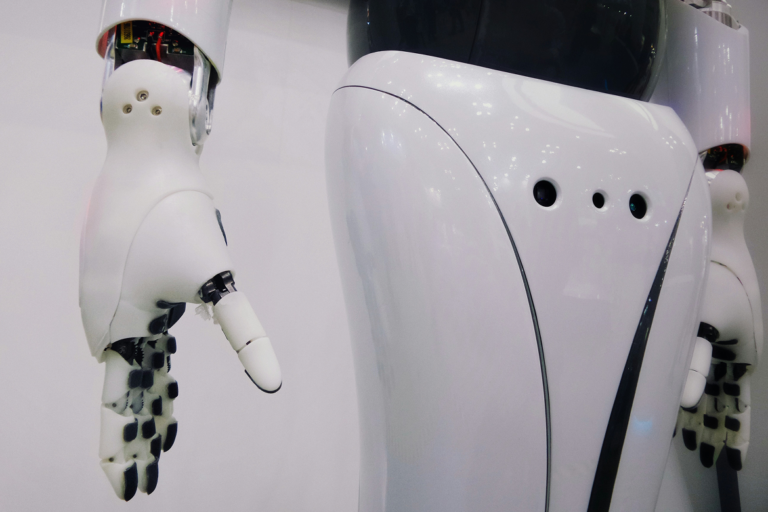
Sam Altman confirmed OpenAI will build humanoid robots, ending years of speculation and putting the company in direct competition with the hardware makers it once backed.

AI training-data startup AfterQuery reportedly hit a $3.2 billion valuation, a tenfold jump in five months, becoming Y Combinator's fastest company ever to reach unicorn status.