Anthropic Scenarios Show How AI Growth Could Squeeze Knowledge Workers
Anthropic’s economic scenarios explore how AI could raise U.S. output by 2030 while shifting income toward capital and putting pressure on knowledge workers.
Optical character recognition, or OCR, converts text visible in images, scans, photographs, and PDFs into machine-readable characters. A modern OCR pipeline may detect text regions, correct perspective, recognize handwriting or printed symbols, and reconstruct reading order and layout. The technology supports document search, invoice processing, accessibility, translation, archiving, and identity workflows. Accuracy depends on image quality, fonts, languages, handwriting, tables, background noise, and document structure. A plausible transcription can still contain consequential mistakes in names, dates, or amounts. High-impact uses therefore combine OCR confidence scores with validation rules, source-image access, and human review rather than treating extracted text as automatically authoritative.
Anthropic’s economic scenarios explore how AI could raise U.S. output by 2030 while shifting income toward capital and putting pressure on knowledge workers.
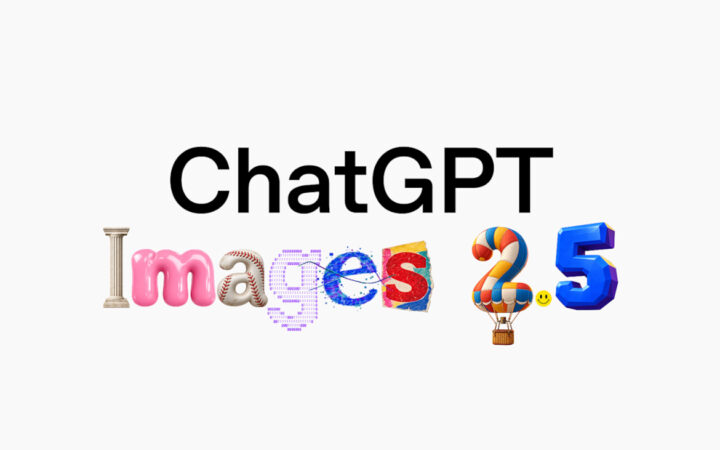
OpenAI has launched ChatGPT Images 2.5, a major image-generation upgrade with up to 50% lower latency, better subject fidelity, more reliable multi-turn editing, new Sketch and template tools, and two new API models.
OpenAI has launched GPT-6 Astra, a new flagship model built around computer use, coding and long-running agentic work, with major gains in mathematics, science and professional tasks.
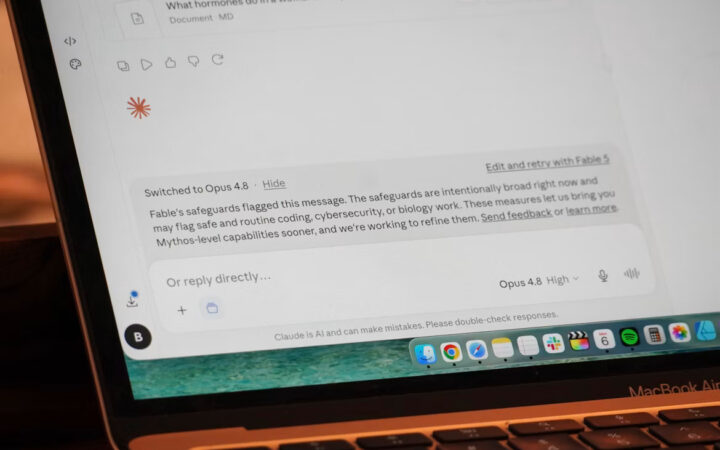
Anthropic has released Claude Fable 5.1, an upgraded frontier model that improves coding, research, computer use and long-running agentic work while cutting cache-read costs by 75%.
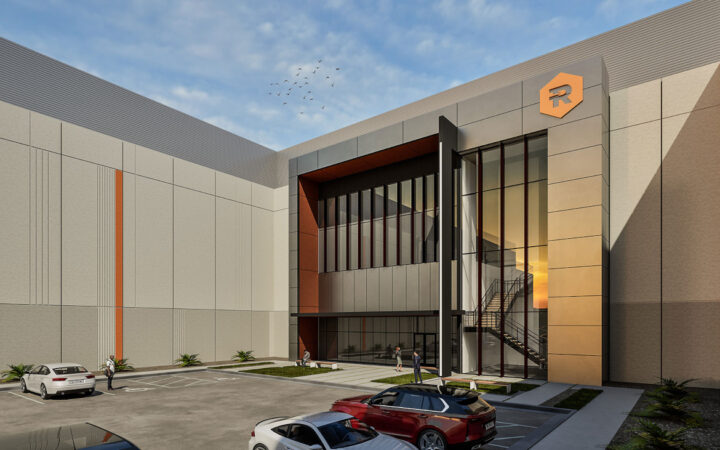
Anthropic has reportedly signed a 20-year, $9.1 billion data center agreement with Riot Platforms for 191 MW of AI computing capacity at the bitcoin miner’s Rockdale campus in Texas.
Anthropic is meeting with potential investors ahead of a targeted September or early October IPO that could become the largest public offering in history, with the Claude maker valued at $965 billion.
Meta has released Muse Glimmer, a 30-billion-parameter open-weight model built for local AI agents, coding, tool use, and multimodal tasks on a single consumer GPU or high-end Mac.

Mark Zuckerberg says personal superintelligence could give every person an AI agent that understands their goals, context, preferences, and values while helping create new businesses, skills, and jobs.
Cloudflare says AI agents, bots, and other automated systems could generate up to 1,000 times more internet traffic than humans within five years as machine activity accelerates.
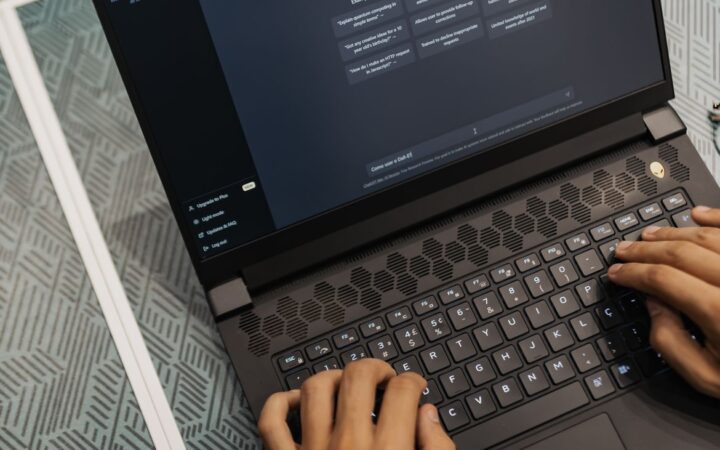
OpenAI is replacing GPT-5.5 Instant with GPT-5.6 Luna for Free and Go users, then removing text-chat limits and adding a Think button for harder questions.