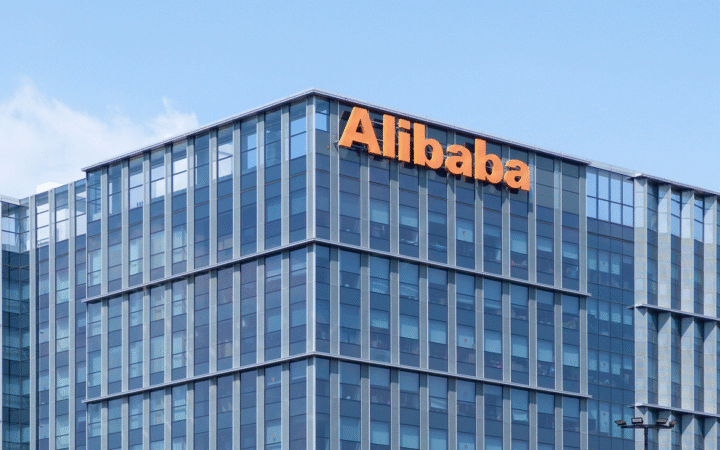
Alibaba Launches AI Model to Advance Robotics
Alibaba has introduced RynnBrain, a new AI model designed to enhance robotic perception and object recognition, advancing China’s push into physical AI and robotics.
Natural Language Understanding, abbreviated NLU, is the part of language technology concerned with extracting meaning from text or speech. Typical tasks include intent classification, entity recognition, semantic parsing, question answering, relationship extraction, and determining how context changes interpretation. Modern NLU systems rely heavily on pretrained language models, though rules, knowledge graphs, and domain vocabularies are still useful where precision and control matter. Understanding remains imperfect because language is ambiguous, culturally situated, and dependent on shared knowledge. Strong benchmark scores may not transfer to new dialects, specialized terminology, sarcasm, or adversarial phrasing, so deployment requires representative testing and mechanisms for uncertainty or escalation.
Alibaba has introduced RynnBrain, a new AI model designed to enhance robotic perception and object recognition, advancing China’s push into physical AI and robotics.

ElevenLabs CEO Mati Staniszewski says voice is emerging as the primary way people will interact with AI, as models combine speech with reasoning and agentic capabilities.
Language learning app Praktika is using OpenAI models to power a multi-agent tutoring system designed to improve real-world speaking fluency through adaptive, conversational lessons.
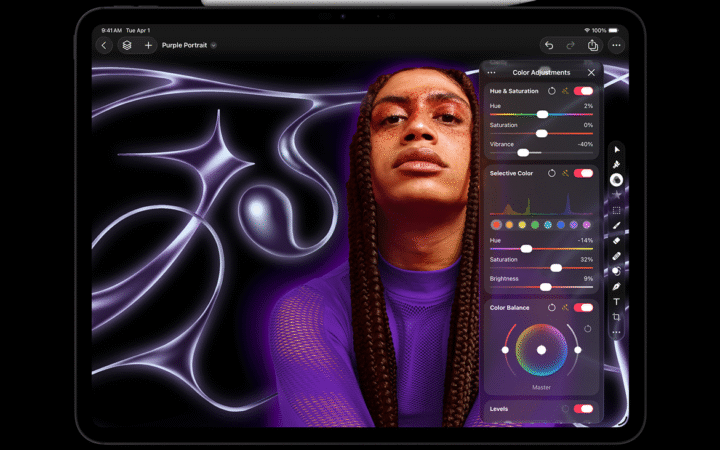
Apple introduced Apple Creator Studio, a subscription bundle combining professional creative apps with new AI-driven features across video, music, imaging, and productivity tools. The offering expands Apple’s push into intelligent software workflows for creators.

A study by the University of Maryland and Microsoft found that Polish outperforms English and other major languages in long-context AI prompts, surprising researchers.